
Ukraine's New FP-9 Ballistic Missile Poses New Threat to Russian Cities and Critical Infrastructure
Military Watch Magazine Editorial Staff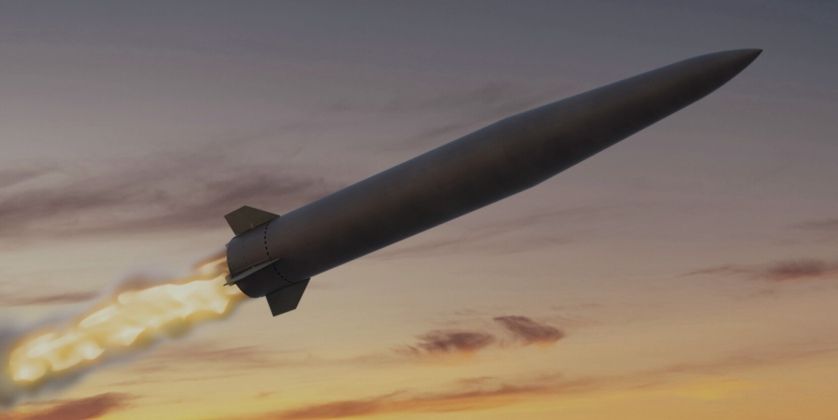
Ukrainian FP-9 Ballistic Missile - Artwork
Ukraine's indigenous FP-9 short-range ballistic missile has moved significantly closer to operational service, with the privately owned defence company Fire Point indicating that it is expected to begin flight testing in the near future. According to company officials, the missile is awaiting final engine validation before entering its test campaign, with battlefield trials expected later in 2026 if development proceeds as planned. The program represents one of the most ambitious efforts undertaken by Ukraine's defence industry since the beginning of full-scale hostilities in 2022, and is intended to provide the country's armed forces with a domestically produced ballistic strike capability capable of reaching strategic targets deep inside Russian territory.
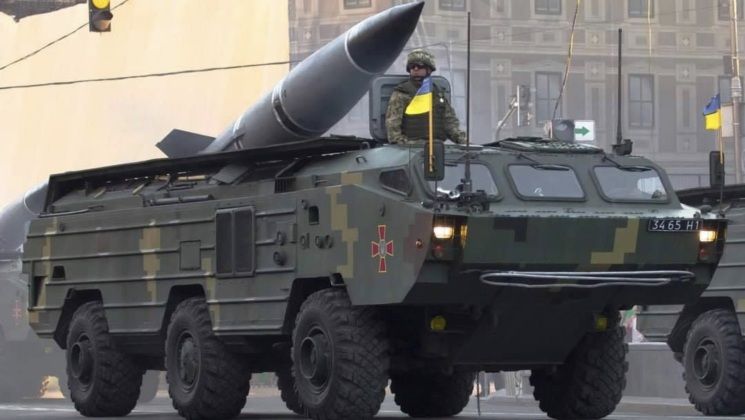
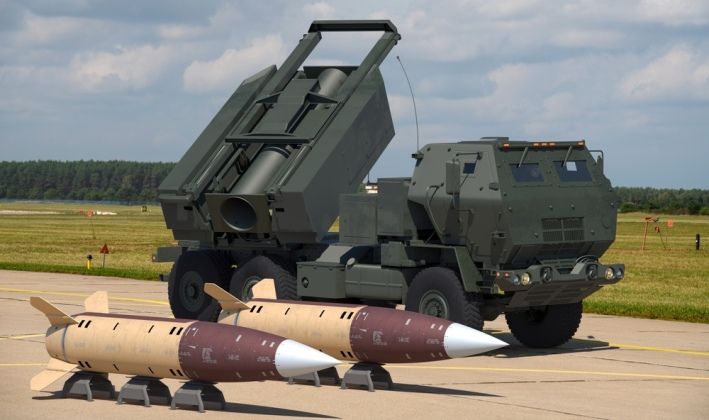
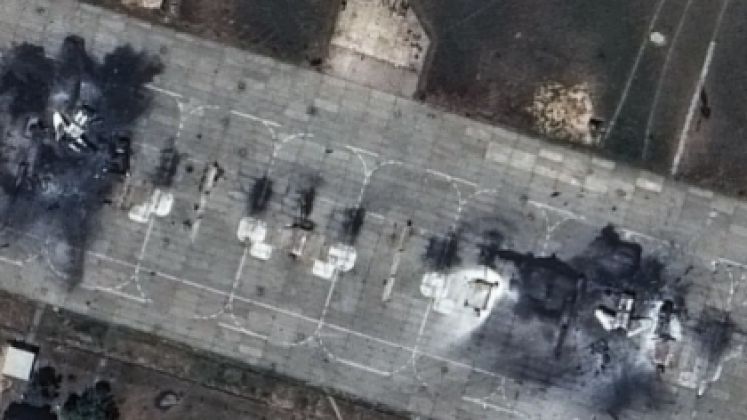
Ukraine began the war with a limited arsenal of Soviet OTR-21 short ranged ballistic missiles, although this was strengthened in 2024 with the delivery of ATACMS tactical ballistic missiles from the United States. The ballistic missile system has been used successfully to neutralise multiple Russian targets, with examples having included the destruction of launchers and radars from S-400 air defence systems, the destruction of other radar systems, the neutralisation of Russian Iskander-M ballistic missile launchers, and the destruction of high value combat aircraft on their runways. ATACMS is nevertheless limited by its 300 kilometre range, and by insufficient supplies from the United States, which is producing the missiles for its own forces and for multiple clients across the world.
The FP-9 has been presented as the largest ballistic missile yet developed by Fire Point, the company already known for producing the FP-5 Flamingo cruise missile and a family of long-range strike drones that have been employed extensively against infrastructure and other targets inside internationally recognised Russian territory. Publicly released specifications indicate that the missile is intended to carry an 800 kilogram warhead to ranges of approximately 850 kilometres, placing Moscow, St. Petersburg, major military headquarters, logistics hubs, and energy infrastructure within reach from launch sites inside Ukrainian-controlled territory. Fire Point has also stated that the missile is designed for high terminal velocity and relatively high accuracy, with reported circular error probable figures of approximately 20 metres.
Although Russian air defence capabilities against attacks by large numbers of low cost drones have remained limited, as demonstrated by repeated Ukrainian drone attacks on apartment blocks in Moscow, ballistic missile defence capabilities remain world leading. The country’s multi-layered anti-ballistic missile network includes top-tier A-135 and A-235 systems specialised in intercepting intercontinental range attacks, with the S-500, S-400, S-300V4 and S-300VM providing lower tiers of defence with their own highly sophisticated anti-missile capabilities. Satellite images in late June revealed the construction of a new ring of air defence positions around Moscow, with at least five of the newly prepared platforms consistent with deployment sites for the S-400, fuelling speculation that this could be intended to fortify the capital against Ukrainian ballistic missile attacks.
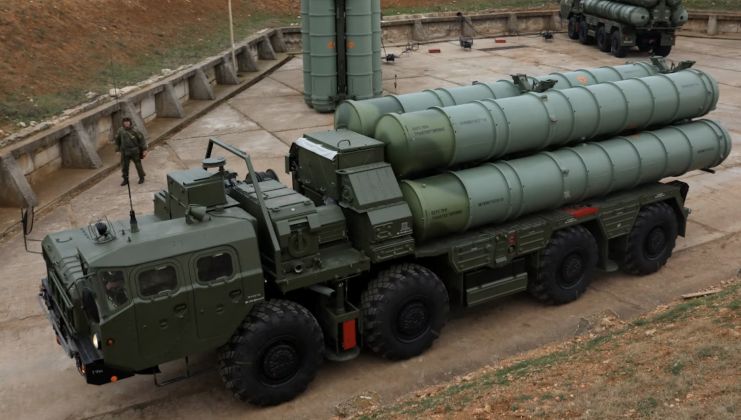
The S-400 was in early July confirmed to have been used for the first time to intercept a Ukrainian ballistic missile strike against Moscow, marking the first known use of the system to intercept a strategic ballistic missile attack, thus representing a major landmark in the system’s close to 20 year service history. The system’s 48N6DM and newer 40N6 missiles were designed to be able to impact targets at speeds of over Mach 14, allowing them to rapidly climb to engage ballistic targets descending at very high velocities. This is close to three times the speeds of the interceptors launched by the rival U.S. Patriot system, and thus poses a particularly serious challenge to efforts by Ukraine and its strategic partners to develop missiles capable of evading Russian defences.
