
U.S. Faces Issues With Modernisation of Ballistic Missile Defences
Military Watch Magazine Editorial Staff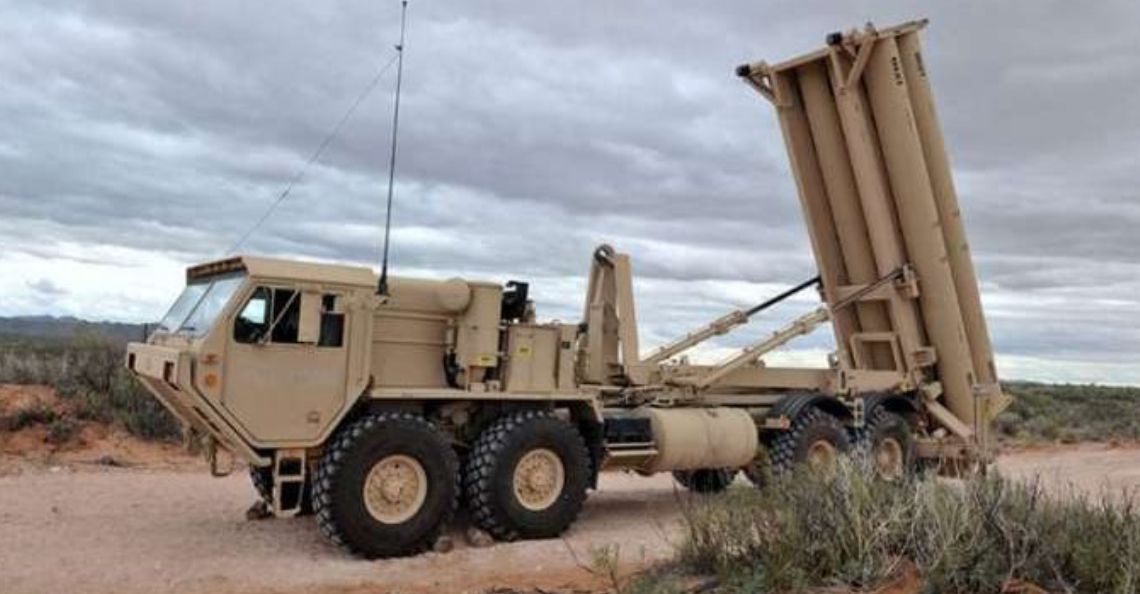
THAAD Surface to Air Missile System
A planned test of an American ship based interceptor system designed to neutralise enemy intercontinental ballistic missiles (ICBM), the Raytheon SM-3 Block IIA system, has stalled considerably due to difficulties in obtaining congressional approval amid major bipartisan divisions in the country. These issues are reported to have undermined the program to strengthen the U.S. mainland’s defence against potential threats from North Korea’s growing arsenal of nuclear tipped ICBMs. The U.S. House of Representatives’ 2020 National Defense Authorization Act cancelled the first test of the SM-3 Block IIA missile against a mock ICBM scheduled for 2020, effectively leaving the program in limbo, while instead authorising a less difficult test against an intermediate range missile. This would provide the defence system with a significantly higher chance of interception, and such a decision may have been taken in light of known shortcomings with the system in countering longer ranged and faster missiles even in scripted test circumstances.
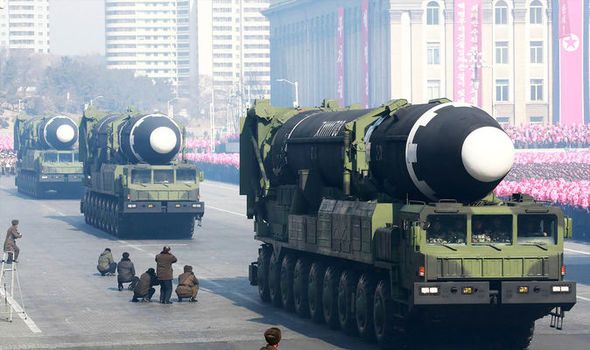
Destroyers in the U.S. Navy currently deploy the SM-3 Block IB anti missile system, and are stationed to protect targets such as Andersen Air Force base on Guam from Korean and possibly Chinese intermediate range missile attacks. The system’s ability to intercept modern ballistic missiles, which employ decoys, electronic warfare and manoeuvring warheads none of which are consistently modelled during testing, remain highly questionable - and these issues are all the more serious against intercontinental range targets. The Donald Trump administration has voiced its strong objection to the altered testing, with the President personally pledging to strengthen missile defences in 2017 in light of North Korea’s attaining of an intercontinental range strike capability. With the House of Representatives currently controlled by the Democratic Party however, and inter-party relations at a historic low, possibilities for bipartisan cooperation on this issue remain limited. The stalling of the test comes amid rising tensions between Pyongyang and Washington, and shortly following North Korea's successful testing of a new submarine based ballistic missile system.
