
U.S. Air Force to Procure Much Needed New ‘Computer Brain’ For F-16 Fighters as F-35 Procurements Remain Slow
Military Watch Magazine Editorial Staff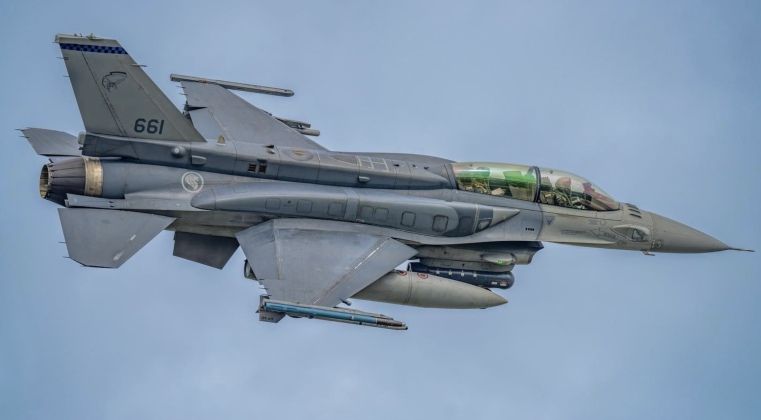
F-16D Fighter
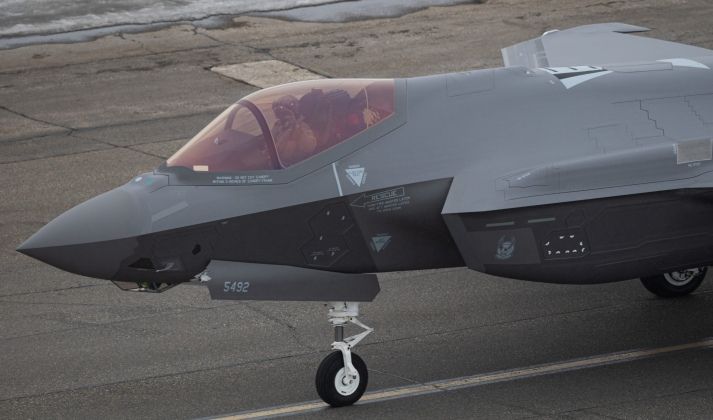
The U.S. Air Force has initiated an industry search for a new mission computer for its F-16 fighters, as existing avionics limits the aircraft’s ability to incorporate new upgrades. This reflects part of a broader trend towards the Air Force significantly increasing investment in modernising the F-16 fleet, primarily due to the fact that major shortcomings with the F-35 fifth generation fighter program forced the service to keep the older fourth generation aircraft in service in much greater numbers and for decades longer than expected. The F-35 not only suffered from major delays before entering service, but has been procured on a small fraction of the previously projected scale, with planned annual procurement numbers by the Air Force falling from 110 to 80 to 60, to 48 fighters, before more recently falling to just 24-40 fighters.
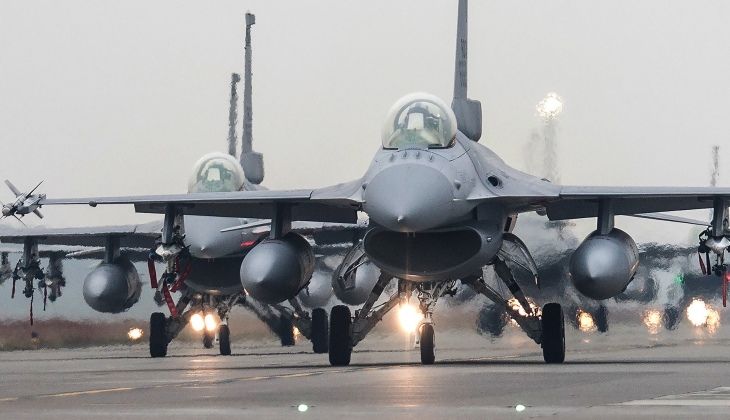
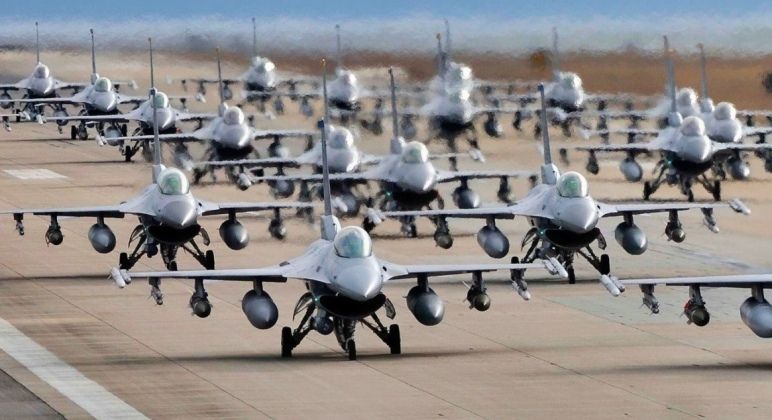
The F-16 first entered service in 1978, and is currently in service in larger numbers than any other fighter type in the U.S. or the wider Western world. This remains the case despite the U.S. Air Force having ceased to make further procurements in 2005, largely due to the expectation that it would be receiving close to 100 F-35s per year with the first at the tike expected to become operational close to 2010. F-16 Block 40, 42, 50, and 52 variants currently form the backbone of the fleet, although several hundred have been modernised to the F-16V standard with ‘4+ generation’ avionics including the modern AN/APG-83 active electronically scanned array radar. Nevertheless, a continued reliance on ageing computers has caused issues with modernisation. This was recently highlighted by an extreme case in the Republic of China Air Force where efforts to upgrade the older F-16 Block 20 to the F-16V standard caused major operational deficiencies that placed pilots in danger.
The mission computer’s processor is relied on to takes inputs from the radar, the navigation system, data links, and targeting pods, to provide a picture of the battlefield, while managing both weapons release and any electronic warfare pods the fighter may have integrated. As the decades old processors used in the U.S. F-16 fleet fall further behind the cutting edge, the aircraft’s capacity for modernisation becomes increasingly limited. The F-16’s current Modular Mission Computer dates in concept to the Common Configuration Implementation Program in the 2000s which brought the Block 40, 42, 50, and 52 variants to a common avionics standard. The new architecture the Air Force is currently seeking represents a fundamental shift in how fighter avionics are built, maintained, and updated, with a software-defined open architecture based on a Modular Open Systems Approach.
The new architecture is intended to allow the Air Force to upgrade the processor cards inside F-16’s computers when faster chips become available without needing to replace entire computer units, which would allow for the integration of new artificial intelligence processing modules. This could be done as AI-enabled targeting and sensor fusion mature without waiting for a complete avionics redesign. The Air Force is reported to have required “maximum flexibility and agility to upgrade with modular open standards based hardware from a large and robust industrial base,” breaking the existing vendor lock that allows a single firm to control the upgrade path without a competitive alternative. Although the F-16 is expected to remain an obsolete fighter, and increasingly so, its low sustainment costs and high reliability, combined with the lack of funding to replace the aircraft at scale, has made investment in upgrades increasingly attractive for the Air Force.
