
U.S. Reaches Major Milestone in Urgent F-16 Modernisation: 1000 Next Generation Radars Delivered
Military Watch Magazine Editorial Staff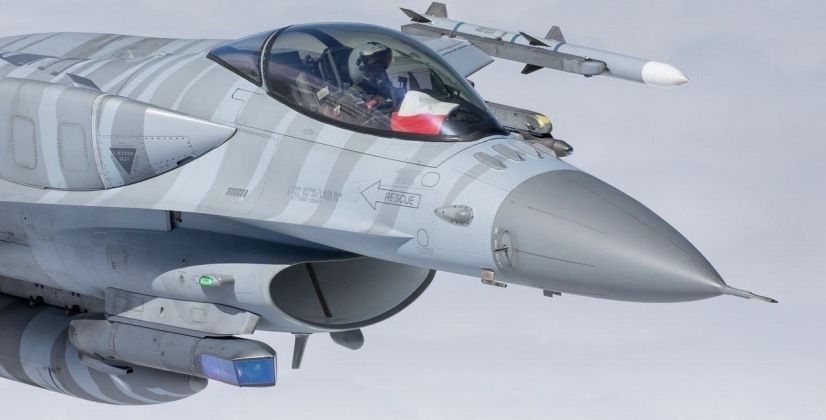
F-16 Block 50/52 Fighter
Leading U.S. defence contractor Northrop Grumman has delivered the 1,000th AN/APG-83 radar for F-16 fighters, which are produced both for newly built F-16 Block 70/72 fighters, and more widely produced to modernise older F-16s to a similar ‘4+ generation’ avionics standard. The AN/APG-83 is an active electronically scanned array radar that first entered service in the mid-2010s, and uses many of the same technologies as the new F-35 fifth generation fighter’s AN/APG-81 radar, although it is significantly smaller to be accommodated by the much lighter older fighter type. Modernisation of F-16s to the ‘4+ generation’ F-16V standard has taken on greater importance due to major delays bringing the F-35 into widespread service, with the U.S. Air Force having sharply cut planned orders to approximately a third of previously projected levels.
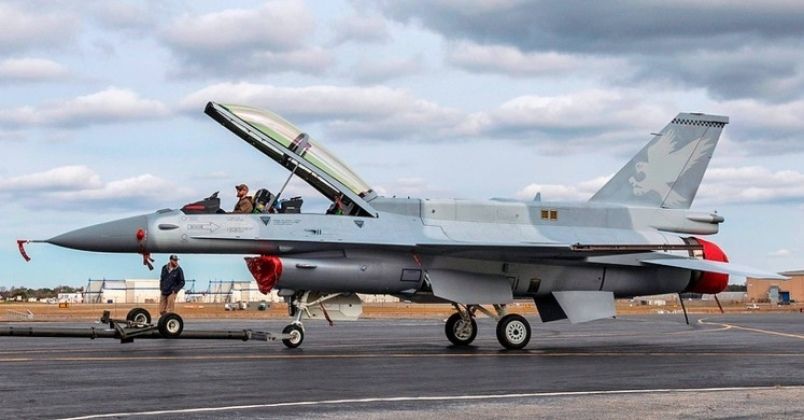
Major delays bringing the F-35 into service, and subsequently making it combat capable under high intensity combat conditions, have resulted in the F-16 fleet being relied on far more heavily by the U.S. Air Force, despite the service having ceased procurements of the Cold War era fighter type over 20 years ago in 2005. The F-16’s much lower maintenance needs and operational costs have been key to raising the wider fighter fleet’s average availability rates, where the F-35s, despite being decades newer on average, have availability rates tens of percentage points lower and have made sustaining pilot flight training hours unaffordable. There has thus been a strong incentive to modernise F-16s in large numbers, particularly as the much more limited number of F-35s entering service has forced these older fighters to remain in service for considerably longer than previously intended.
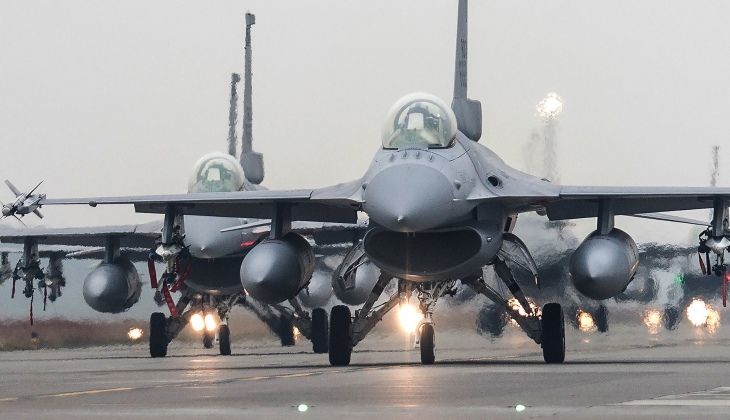
The AN/APG-83 radar has remained at the core of F-16 modernisation efforts, and has been widely marketed abroad to other operators of the fighter type such as the Republic of China Air Force and the Republic of Korea Air Force. Deficiencies with the F-35 program led chair of the Senate Intelligence Committee Senator Thomas Cotton to question Chief of Staff of the Air Force General David Allvin in May 2025 regarding the possibility of the service resuming F-16 procurements, and using the F-16 Block 70/72 export model as a basis to develop a new enhanced F-16 Block 80 variant. While this option was previously unthinkable, it has gained growing support, with Allvin stating that a primary issue would be finding sufficient production capacity to build F-16s for domestic use.
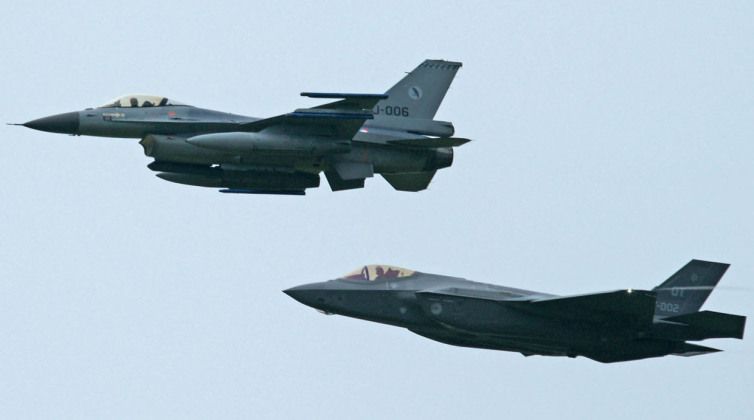
Although the F-16V and F-16 Block 70/72 integrate highly sophisticated avionics, the aircraft remains lightweight fighter, and is limited by its small radar size and low endurance. It is expected to continue to be outmatched not only by the fast growing numbers of fifth generation fighters fielded by potential adversaries such as China, but also by heavyweight twin engine fourth generation fighter types such as the Chinese J-16 and Russian Su-35, which integrate radars over four times as large and carry far larger missile arsenals. While the F-16 is widely considered the most cost effective fighter type in the Western world, and is one of the easiest to sustain, continued reliance on the aircraft has been an indicator of major shortcomings with U.S. fifth generation programs, and of the lack of successful post-fourth generation fighter development anywhere else in the Western world. As China moves to bring its first sixth generation fighters into service in the early 2030s, the F-16 is poised to fall two generations behind in terms of its capabilities, which will further limit the roles it can be assigned.
