
U.S. Air Force F-22 Raptors Confront Russian Su-35 Fighters and Tu-95 Bombers Near Alaska
Military Watch Magazine Editorial Staff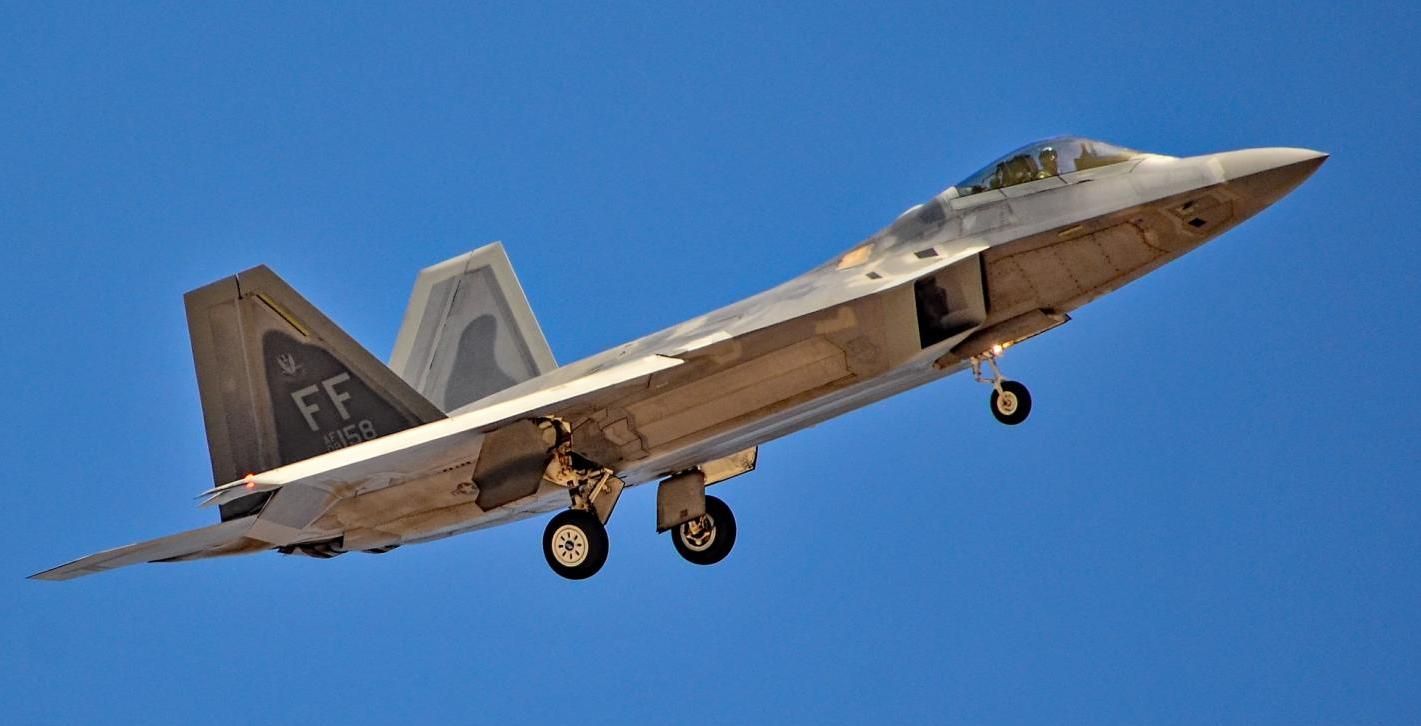
U.S. Air Force F-22 Raptor
Four U.S. Air Force F-22 Raptors have intercepted a pair of Russian Tu-95 nuclear capable heavy bombers and Su-35 air superiority fighters near Alaska, according to a recent report by the North American Aerospace Defence Command (NORAD). The report stated: "NORAD fighters intercepted Russian bombers + fighters entering Alaskan ADIZ (Air Defence Identification Zone) May 20. 2x Tu-95s were intercepted by 2x F-22s; a second group of 2x Tu-95 + 2x Su-35 was intercepted later by 2 more F-22’s; NORAD E-3 provided overall surveillance. The aircraft remained in international airspace.” The E-3 Sentry which accompanied the Raptors is widely considered the world’s most capable aerial warning and control system (AWACS), and serves as a key force multiplier for American fighter units with its powerful sensors providing unrivalled situational awareness. The aircraft is able to coordinate attacks by multiple Raptor squadrons simultaneously and guide long range missiles fired by the fighters to their targets. Russia’s own air contingent lacked AWACS support, a consistent strength of the U.S. Air Force in its engagements with Russian air units.
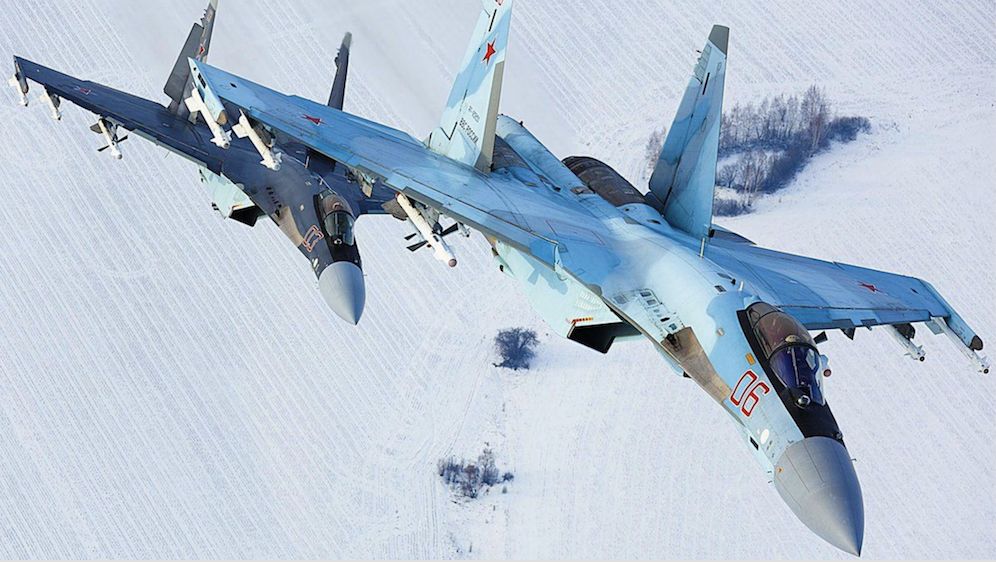
The Bering strait separating Alaska from Russia is just 80km across, and both the U.S. Air Force and its Russian counterpart have long focused some of their most capable assets to the region to face a potential threat from the other. The F-22 Raptor remains the most capable Western fighter ever developed for air to air combat, and a sizeable fleet of two dozen fighters is currently based in Alaska - one seventh of the entire American F-22 fleet. Raptors in Alaska under the 3rd Wing of the U.S. Air Force’s 477th Fighter Group carried out highly unusual and very large ‘Elephant Walk’ exercises in late March with AWACS support - a major show of force to Russia at a time of escalating tensions. The Su-35 for its part remains Russia’s most capable fully operational air superiority fighter, and entered service in 2014 nine years later than the Raptor. The fighter was designed to engage the elite of Western air fleets including Raptors, and compensates for its lack of stealth and less powerful radar with enhanced manoeuvrability, a heavier weapons payload, a superior rate of climb and infra red sensors - the latter which have proven capable of locking onto F-22 fighters in previous engagements. The Tu-95 for its part poses a considerable threat to U.S. targets across Alaska and on the mainland due to its vast payload of advanced standoff missiles, which includes deployment of long range nuclear tipped Kh-102 radar evading cruise missiles with a range estimated at between 2500km and 5500km. Interception of this bombers is thus considered a particularly urgent task for America’s Raptor fleet.
