
Tehran's Stealth Drones: Full Implications of Iran's Acquisition of the U.S. RQ-170 in the Middle East and Beyond
Military Watch Magazine Editorial Staff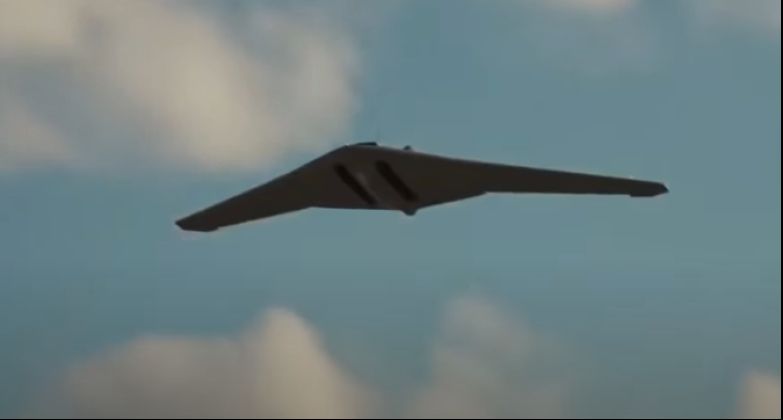
Iranian Shahed 191 Stealth Drone
On December 4th 2011 American media first reported the loss of a Lockheed Martin RQ-170 Sentinel reconnaissance drone over Iranian airspace, with Iran subsequently confirming than an electronic warfare unit had brought down the aircraft and releasing footage of the airframe in its possession. The drone made use of a flying wing stealth design similar to the B-2 Spirit bomber, but was developed a decade later and was considerably smaller making it one of the stealthiest aircraft operating anywhere in the world. The RQ-170 was operated in very small numbers primarily by the U.S. Central Intelligence Agency (CIA), which had been operating the aircraft that was brought down over Iran. While Iran’s airspace had just a decade prior been very poorly defended, with non stealthy American aircraft operating for extended periods over Iranian territory undetected during the Iraq and Afghan wars, the country invested heavily in modernising its air defence capabilities in the aftermath of the Iraq War due to the threat of possible U.S. attacks. The result was that by 2011 the RQ-170 could not only be detected, but also hijacked using Iranian electronic warfare systems and landed with minimal damage to the airframe.
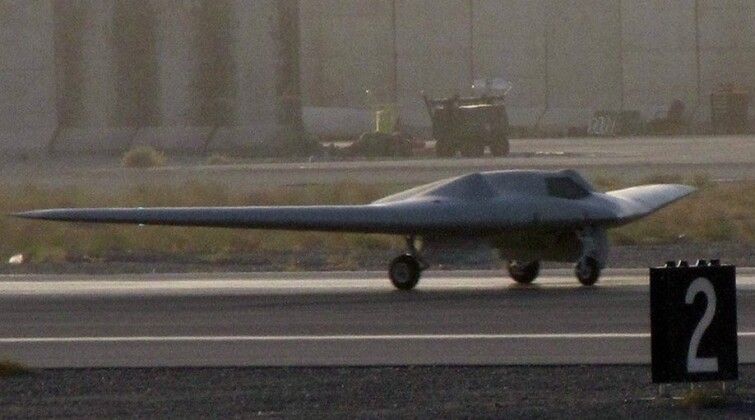
The RQ-170 was one of very few stealth aircraft to have been involved in combat, and the third confirmed to have been neutralised after two F-117 Nighthawk jets were lost to Serbian air defences in 1999. The drone was reportedly surveying the country’s nuclear activities, and a number of U.S. sources acknowledged that Iran likely interrupted its data link and fed the UAV false GPS data to make it conduct a soft landing in Iran. It was speculated that the 1L222 Avtobaza advanced radar jamming and deception system Iran had acquired from Russia could have been key to the success of the operation. The fact that the drone was acquired and displayed by the Iranian Revolutionary Guard Corps almost completely intact despite its extreme altitudes indicated that the aircraft had been remotely landed as Iranian sources had claimed.
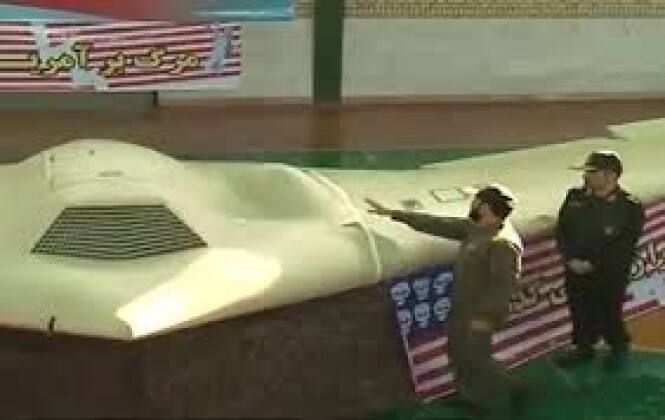
While the loss of what was arguably the most sophisticated surveillance drone in the world to Iranian electronic warfare systems was a major embarrassment for the United States, the real danger which stemmed from the RQ-170 incident was that some of America's most advanced stealth technology had fallen into Iranian hands. While the loss of the remains of an F-117 stealth fighter airframe to Serbia was considered a potentially major setback, with the airframe reportedly being sent to Russia for study, the RQ-170 represented a far greater loss - an intact and much more advanced aircraft developed almost 25 years later in enemy hands. Former U.S. Vice President and Defence Secretary Richard 'Dick' Cheney criticised the Obama administration’s failure to take further action against Iran to prevent them from studying the drone, stating that the president should have immediately ordered an airstrike against Iran to deny it the valuable technology. He stated to this effect: "The right response to that would have been to go in immediately after it had gone down and destroy it. You can do that from the air ... and, in effect, make it impossible for them to benefit from having captured that drone." Considering the importance of the sensitive technology lost, there was a strong rationale for taking such action.
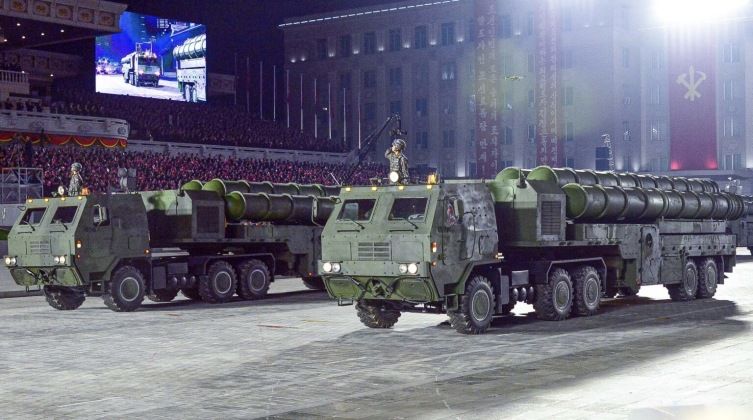
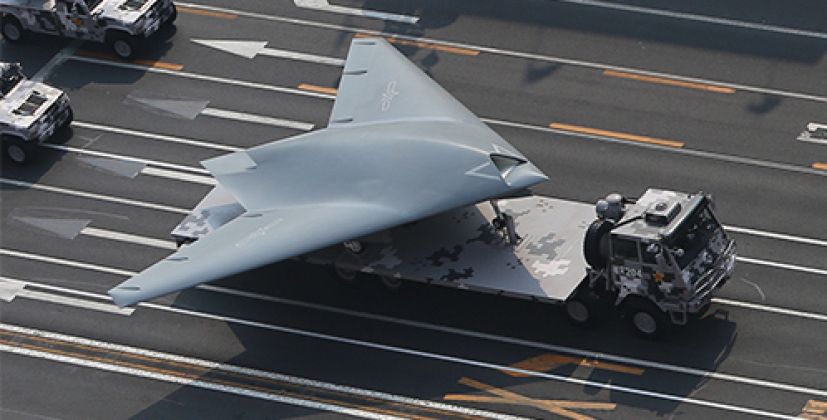
Iran’s acquisition of the RQ-170 has had wide ranging consequences not only for Tehran, but for a number of other potential U.S. adversaries as well. With Iran maintaining longstanding defence partnerships with North Korea and China, it is likely that the two East Asian states were provided with information on the drone both to develop countermeasures to U.S. stealth platforms and to develop their own stealth aircraft. Pyongyang and Tehran have a long history of technology sharing dating back to the early 1980s, and the opportunity to study the RQ-170 could prove an invaluable opportunity to modernise North Korea's air defences for counter stealth roles. New Korean air defence platforms have notably been developed to counter the latest American aircraft at long ranges, many of which use similar stealth technologies, making access to the RQ-170 highly valuable. North Korea's more recent pledge to develop more advanced military drones domestically could plausibly also benefit considerably. China is also thought to have benefitted, and within five years of the incident the country was testing its own advanced stealth drones which bore a strong resemblance to the RQ-170 and are thought to have improved on the design and adapted it for a much wider range of roles. Iran for its part has extensively studied the airframe captured and, likely with assistance from its defence partners, developed a number of indigenous unmanned aircraft with advanced stealth capabilities.
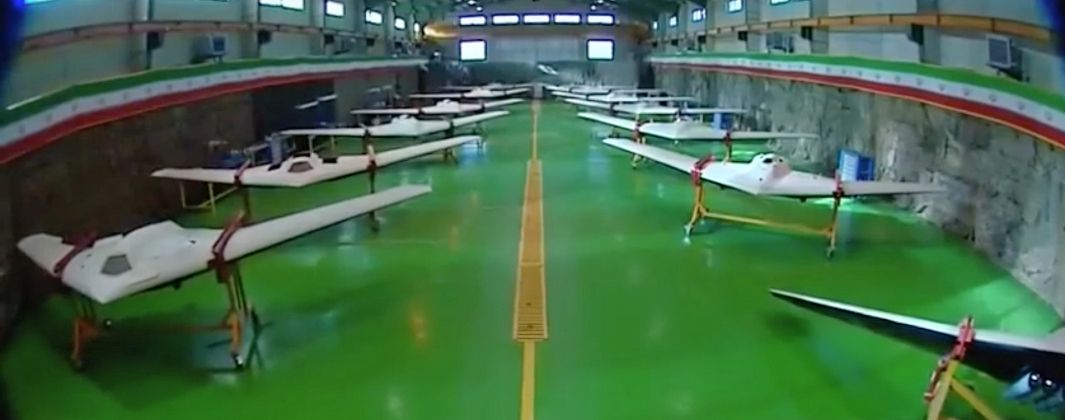
Two of the earlier Iranian military drone classes reportedly developed based on the RQ-170 and inducted into service in the Islamic Revolution Guards Corps Aerospace Division included both reconnaissance and attack platforms - the Shahed 171 and Saegheh. These were for a long time the only stealth drones confirmed to have been deployed by any military outside the Western Bloc and China. As Iran expanded its military presence in Syria as a result of the power vacuum in the country, and deployed assets near Israel’s borders, an Iranian surveillance drone derived from the RQ-170 reportedly carried out reconnaissance operations inside Israeli airspace amid growing tensions between the two countries. This is thought to have been the Saegheh platform. Former head of Mossad Danny Yatom stated regarding the incident: “It was a sophisticated operation. The UAV was almost an exact replica of the U.S. drone that fell in their territory. If it had exploded somewhere in Israel, it may not have been possible to identify it as an Iranian manufactured drone.” The stealth drone reportedly evaded multiple attempts by Israel’s U.S. made Patriot missile batteries to neutralise it from the ground, and the Israeli Defence Force was forced to rely on an attack helicopter to bring down the stealth drone at close range.
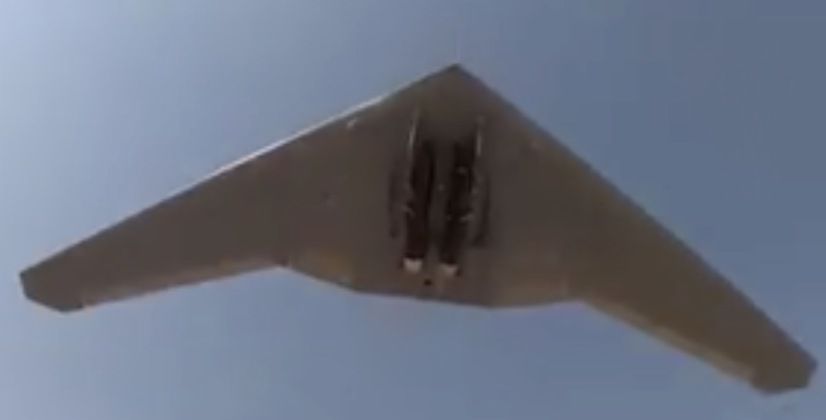
Two of the newer and more notable stealth drone designs Iran has developed are the Shahed 181 and Shahed 191, both of which are capable of using precision guided weapons and have the endurance needed for operations beyond Iran's borders. With Iran's Air Force having poor capabilities for operations outside the country's airspace, the deployment of stealth drones has provided an effective means for the country to project power beyond the use of ballistic missiles and special forces. The fact that the drones can evade detection by enemy aircraft and air defences, as demonstrated during strike missions against jihadist insurgent targets which had been located very near U.S. forces in Syria, meant that they could operate offensively in spite of enemy air superiority.
The full implications of the loss of the RQ-170 have yet to be fully known by the United States and its allies. With the U.S. Military and those of many of its higher level defence clients heavily reliant on stealth technology, the fact that relatively immature Iranian defences could bring down such aircraft represented a concerning loss. It highlighted the likely vulnerability of such aircraft in the case of a conflict with China, North Korea or other high level potential adversaries which had more advanced air defences than Iran. Furthermore, providing Iran with the latest American stealth aircraft which had entered service even more recently than the F-117, B-2 or F-22 provided it and its defence partners with the means to develop better countermeasures against stealth systems. Iran's long range anti aircraft weapons systems such as the Bavar-373 and Khordad 15 air defence platforms are almost certain to have benefitted from being able to test their technologies against a modern stealth aircraft and tailor their capabilities to countering it. Thirdly, and perhaps most seriously, the deployment of stealth aircraft not only by Iran but also by China and in future likely by Russia and North Korea as well are likely to be made all the more lethal by access to the RQ-170's technologies - which provide a basis for these countries to further develop their own stealth technologies. From the South China Sea to the Korean Peninsula to Syria and Eastern Europe, therefore, America's loss of what was then its newest stealth aircraft will likely adversely impact its interests on multiple fronts.
An older version of this article was published on July 8, 2018.
