
Taiwan Analysts Claim 200+ Enhanced F-16s Better Than 100 F-35s: Are They Right?
Military Watch Magazine Editorial Staff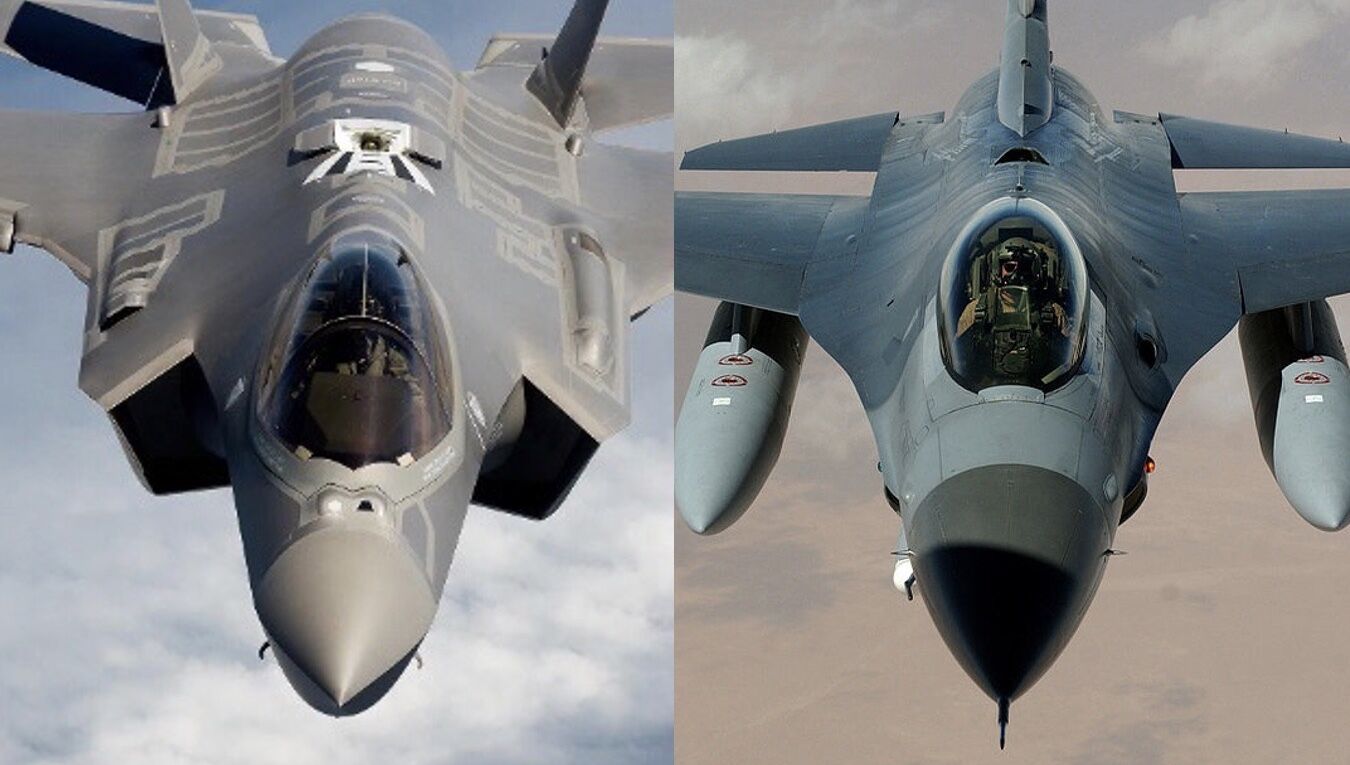
F-35A (left) and F-16 Fighters
Debate over the future of the Republic of China Air Force’s fighter force has intensified after the Liberty Times discussed the possibility that a larger fleet of upgraded F-16V and F-16 Block 70 fighters could offer greater value than a smaller force of newer F-35s. The Times’ comparison between 200 F-16s and 100 F-35As highlights a fundamental difference between increasing fighter numbers relying on loewr cost aircraft, and acquiring higher value aircraft designed to operate in heavily contested airspace. The F-16 Block 70 represents a substantial modernisation of an ageing Cold War era fighter type which first entered service in 1978, and had been developed to provide the U.S. Air Force with a lighter cheaper counterpart to its premier F-15 fighter. The F-35A, by contrast, is a post-Cold War fifth generation fighter designed specifically to succeed the F-16 in service.
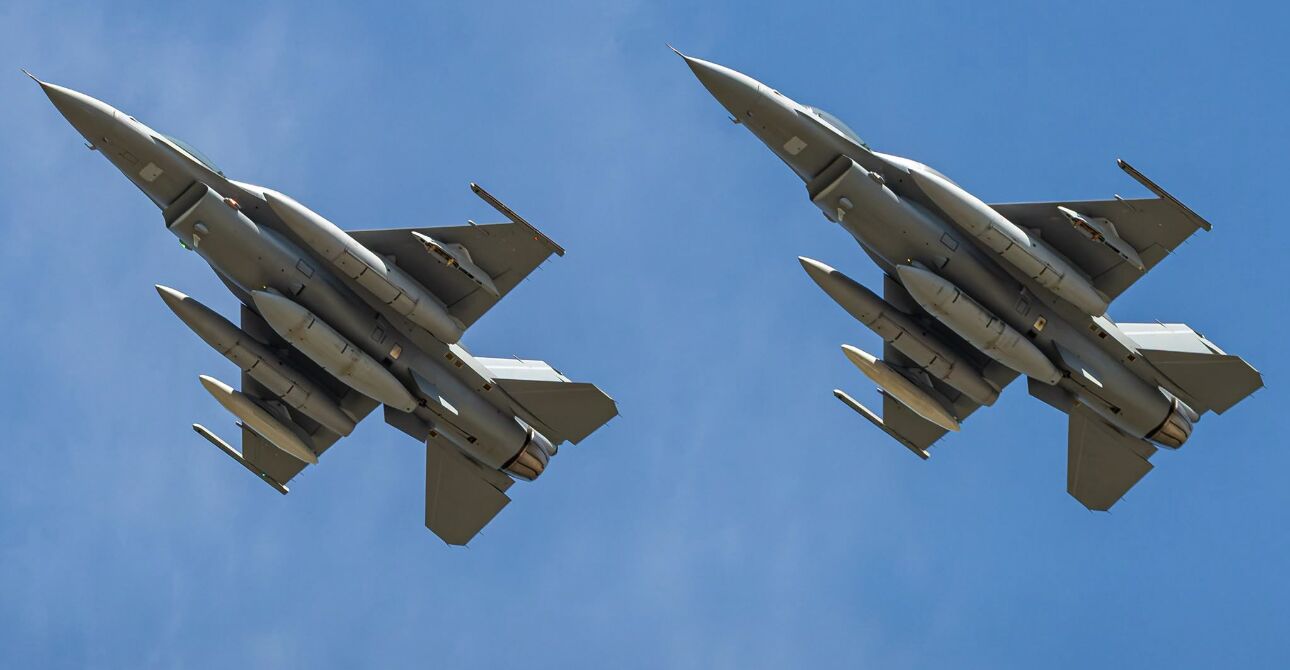
The Republic of China’s defence sector has with U.S. support modernised almost all of the Air Force’s ageing F-16A/B Block 20 fighters to the F-16V standard, which involves bringing avionics up to a comparable standard to the F-16 Block 70. This involves the integration of the same AN/APG-83 radar as the F-16 Block 70. Combined with the delivery of 66 new F-16 Block 70 fighters, this will provide the Republic of China Air Force with a fleet of close to 200 modernised F-16s with ‘4+ generation’ capabilities, which is by far the largest outside the United States.
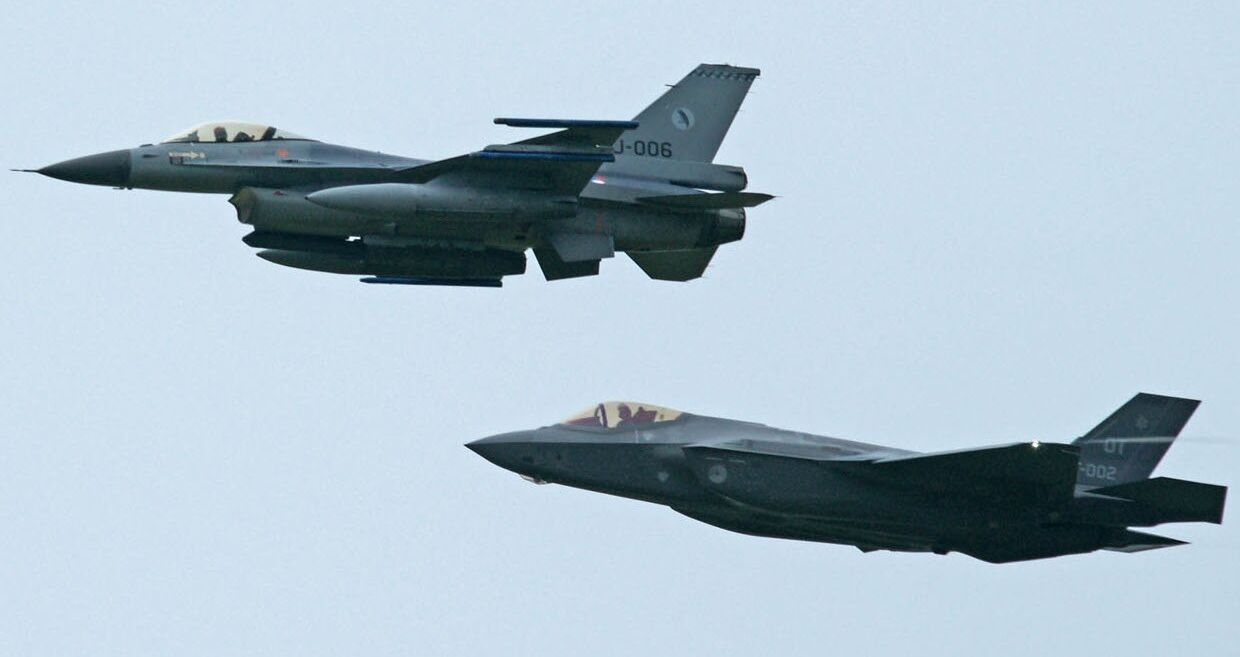
Although the avionics of modernised F-16s are comparable in sophistication to those of older pre-Block 4 F-35s, the fighters are significantly lighter, integrating much smaller radars and more limited electronic warfare suites and other sensors. They also lack the F-35’s range and radar-evading stealth capabilities, or a similarly advanced counterpart to the F-35’s Multifunction Advanced Data Link. The lack of a passive sensors array comparable to that of the F-35 further limits situational awareness.
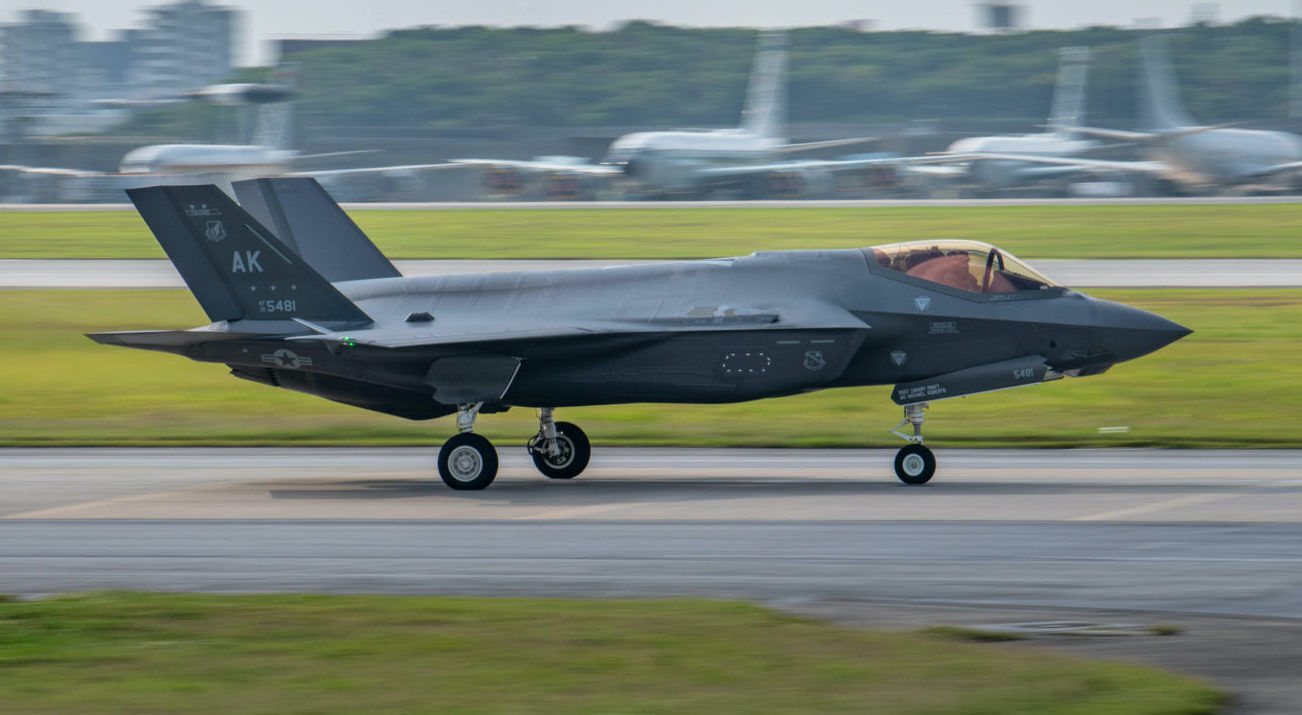
The F-16’s combat potential is very considerably more constrained than that of the F-35A, with the more advanced fifth generation fighter expected to have an overwhelming advantage in air-to-air combat and air defence suppression operations in particular. The F-16 nevertheless retains a number of advantages, most notably its much lower maintenance needs which can allow for significantly higher availability rates, and thus greater sortie generation. F-16 operators have also compensated for the fighters’ lack of stealth capabilities by equipping them with beyond visual range cruise and ballistic missiles to engage targets from safer distances.
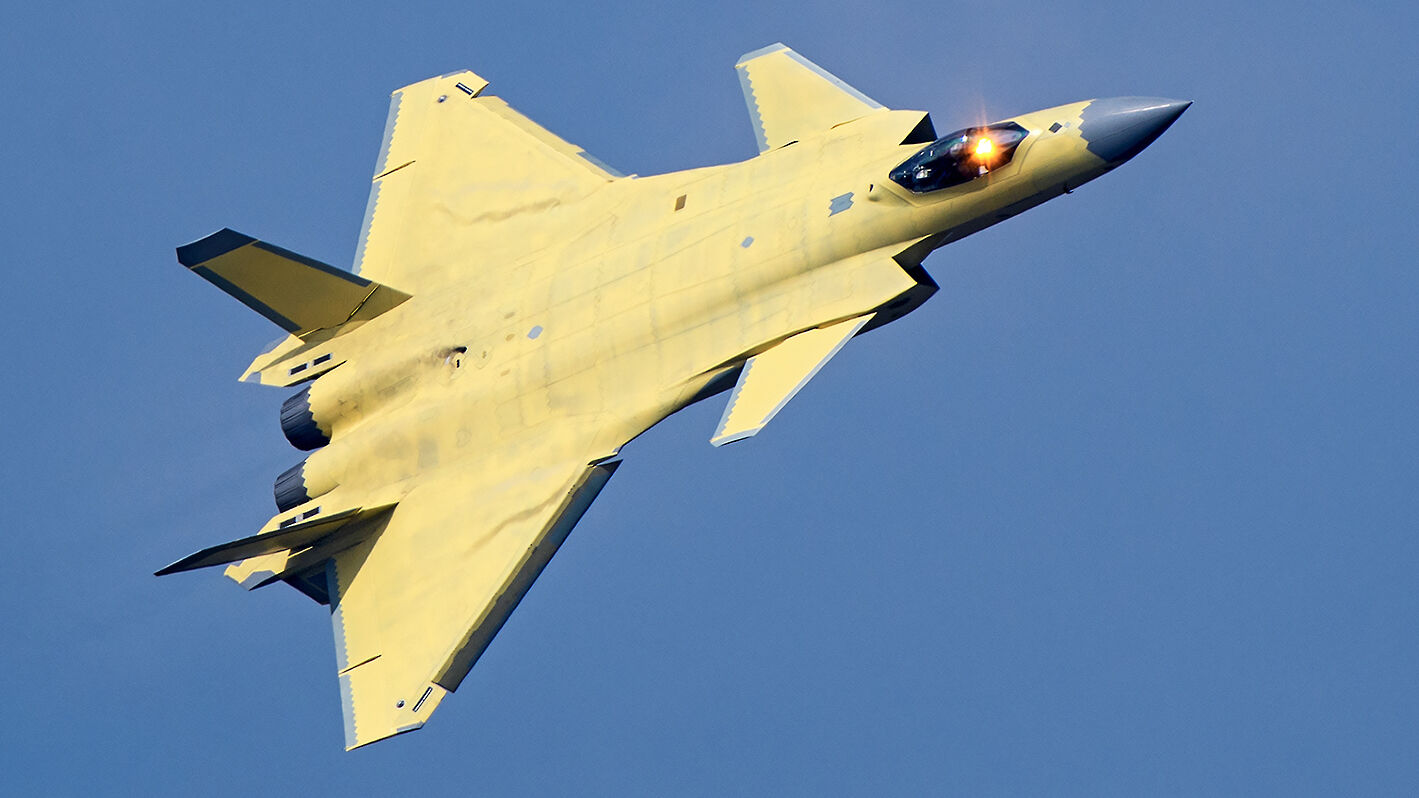
While F-16s with beyond visual range missiles have proven viable for strike operations in the Middle East, this is largely due to the lack of modern long range air defence systems or fighter aircraft fielded by U.S. adversaries in the region. In the Taiwan Strait, however, Republic of China Air Force F-16s will be vulnerable to targeting from as soon as they take off by advanced Chinese People’s Liberation Army Air Force fighters, such as the J-20 air superiority fighter, as well as by cutting edge long range air defence systems such as the HQ-9B and S-400. Thus while F-16s may be able to make comparable contributions to the F-35 in war efforts in the Middle East, the far less permissive environment seen in Northeast Asia means the aircraft will be extremely constrained, with their lack of stealth capabilities in particular limiting their viability in a Taiwan Strait war.
