
Republic of China Air Force’s First Enhanced F-16s Finally Begin Deliveries Eight Years After Orders Placed
Military Watch Magazine Editorial Staff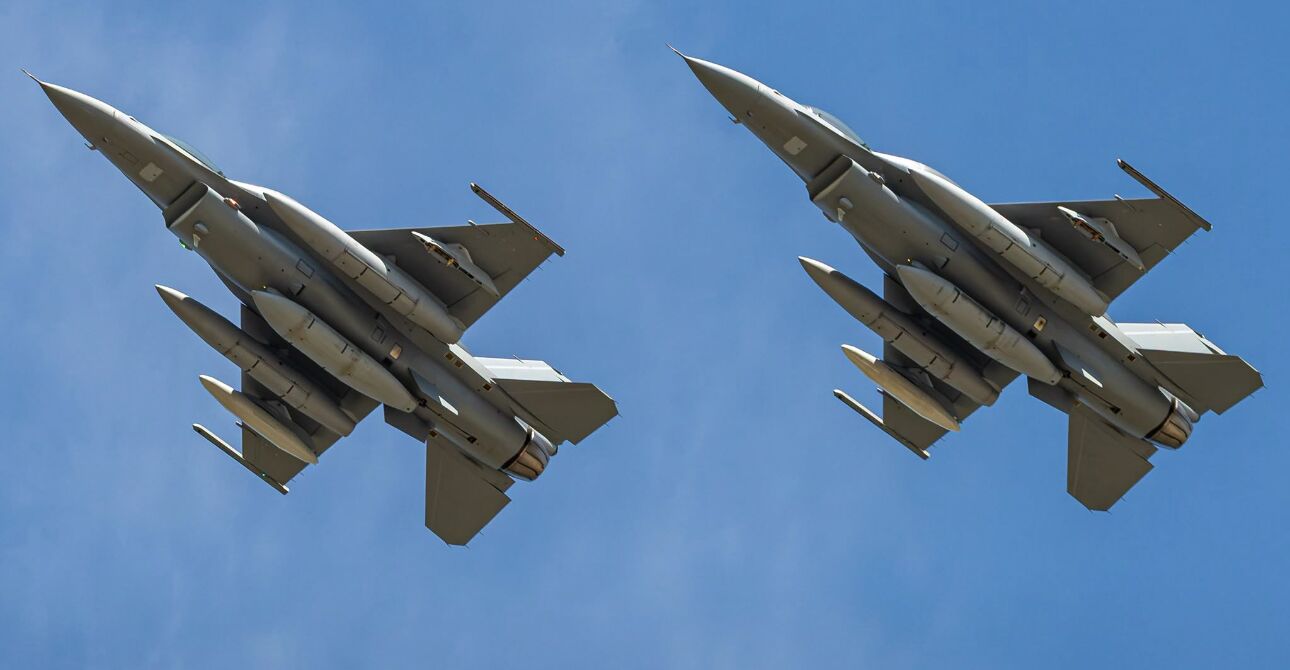
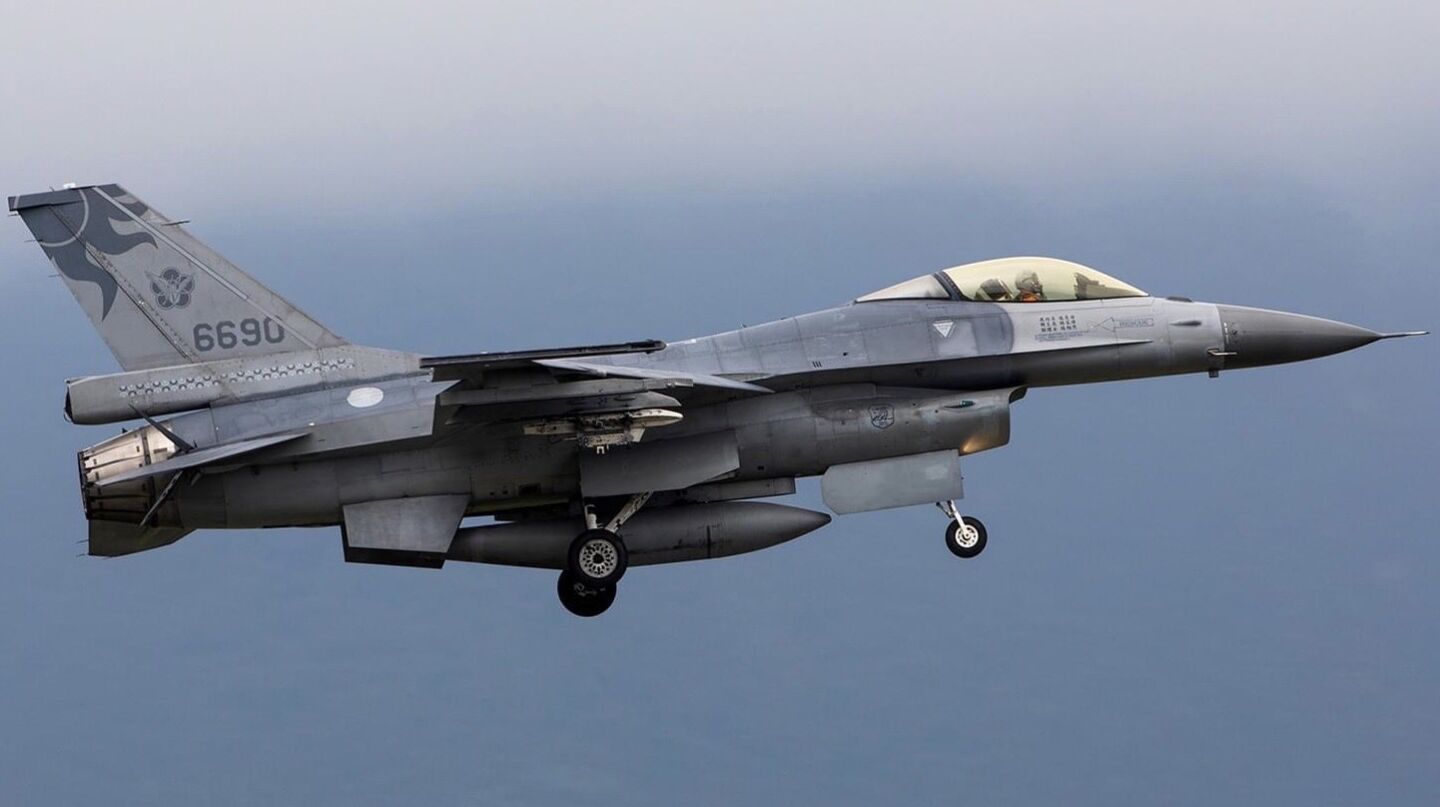
Republic of China Air Force F-16 Block 70 Fighters
The first batch of three F-16 Block 70 fighters ordered to equip the Republic of China Air Force have departed from Lockheed Martin's Greenville plant in South Carolina and transited to the Fort Worth base in Texas, with the aircraft expected to arrive in Taitung in the coming days for delivery. Although the United States was originally scheduled to deliver all 66 aircraft by the end of 2026, production delays have pushed deliveries significantly behind schedule. The United States approved the sale of 66 F-16s in 2019, with the lack of deliveries over the following eight years having caused considerable controversy in Taipei.
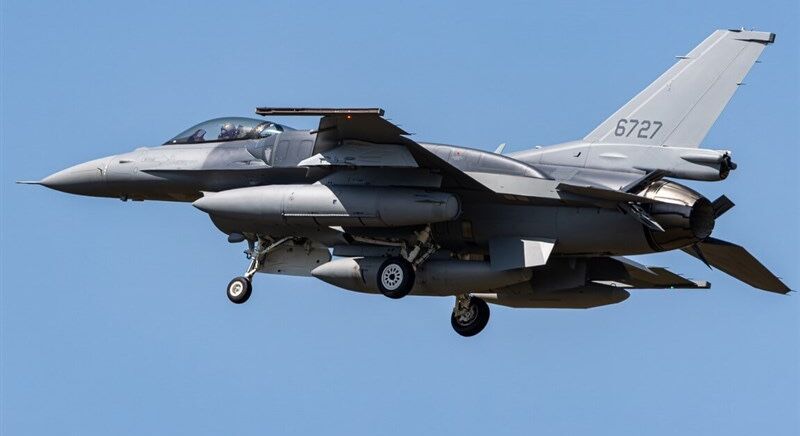
The first new F-16s aircraft are undertaking a considerably more demanding journey than a conventional ferry flight. The fighters departed the United States on August 17 Eastern Time and will require aerial refuelling during their journey across the Pacific, together with a maintenance stop. The Air Force’s earlier F-16 Block 20 aircraft made the same journey in 1997, requiring 19 aerial refuelling operations, approximately one every hour on average. The Block 70 aircraft, however, benefit from conformal fuel tanks, which provide additional fuel capacity while imposing less aerodynamic penalty than conventional external fuel tanks. Their greater range means that the precise number of refuelling operations required for the current ferry flight remains uncertain.
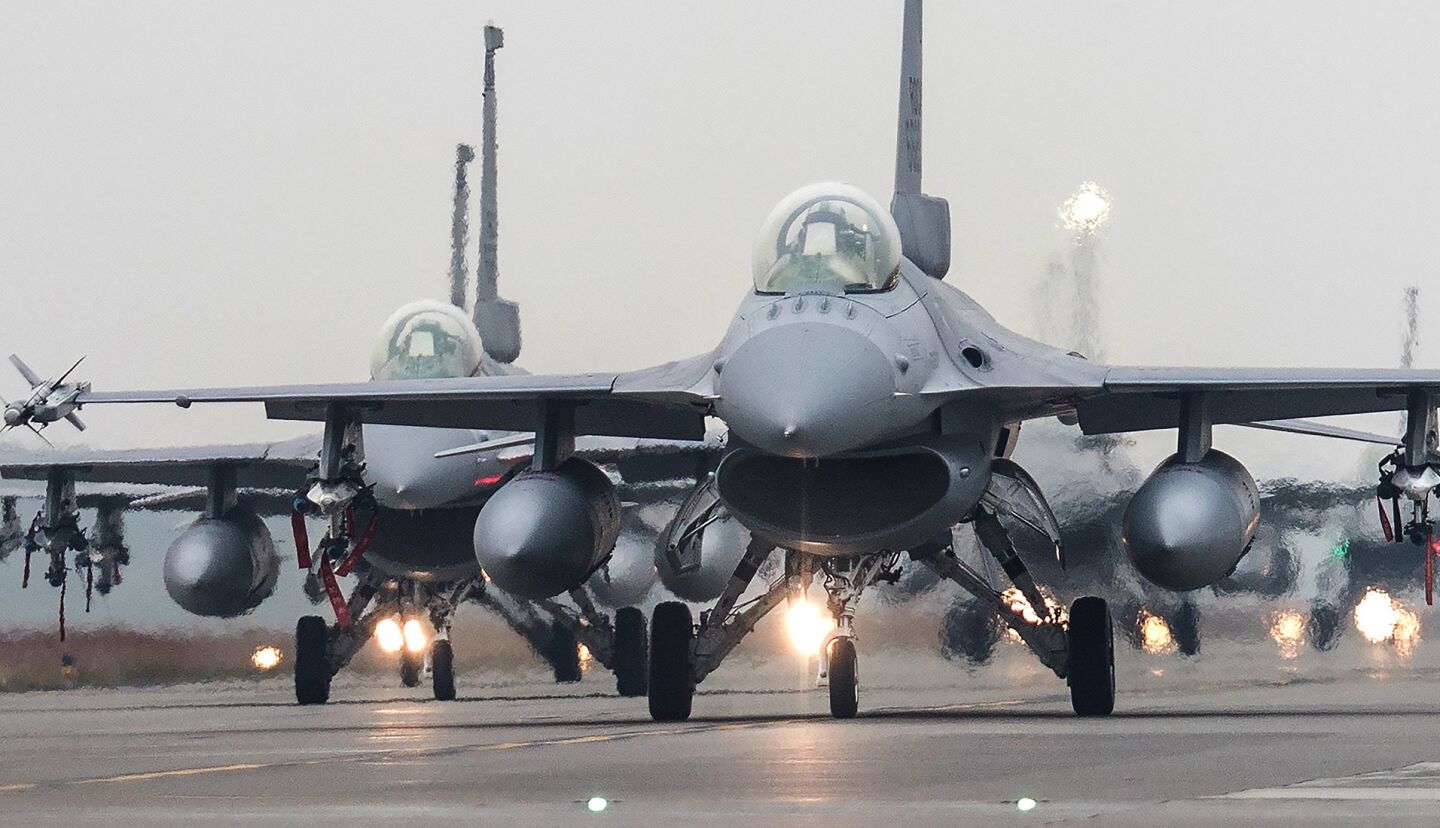
The Republic of China Ministry of National Defence in July confirmed that it was seeking compensation due to repeated delivery delays, with Air Force officials have indicated that compensation may come in the form of technical support, spare parts, or extended warranties rather than direct financial payments. Compensation claims over delayed F-16 deliveries are far from unprecedented, with Premier Cho Jung-tai having in October 2025 stated that the government did not rule out “taking legal action against the manufacturer.” The delays are far from isolated, with outstanding backlogs of undelivered U.S. equipment to the Republic of China Armed Forces having in December 2025 reached over $21.45 billion.
The new F-16s represent a substantial technological improvement over the F-16A/B Block 20s that currently form a major component of Taiwan's fighter fleet. The Block 70 incorporates the AN/APG-83 active electronically scanned array (AESA) radar, a modernised mission computer and updated avionics, communications and electronic-warfare systems. These features provide significantly greater detection, tracking and multi-target engagement capabilities than the original Block 20 configuration. The acquisition also complements a separate and largely completed effort to modernise the Republic of China Air Force’s existing F-16s. Under the Peace Phoenix Rising program, which saw 140 F-16A/B Block 20s brought up to the F-16V configuration by December 2023.
The F-16 is the second oldest fighter type still in production worldwide, and has already begun to be phased out of service by its largest operations such as the United States, Israel and Egypt. South Korea and Turkey, two other major operators, are expected to begin retiring the aircraft in the early 2030s. This will provide the Republic of China Air Force with the largest fleet outside that of the United States. The F-16 is a lightweight single engine fighter designed as a more affordable counterpart to the F-15 Eagle, the United States’ premier Cold War era fighter type. Its low sustainment costs have made it affordable for large scale deployments, although its capabilities remain much more constrained than many medium or heavyweight fighter types.
