
Sukhoi Reveals New Su-57D Twin Seat Fighter Can Introduce Sixth Generation Drone Command Features
Military Watch Magazine Editorial Staff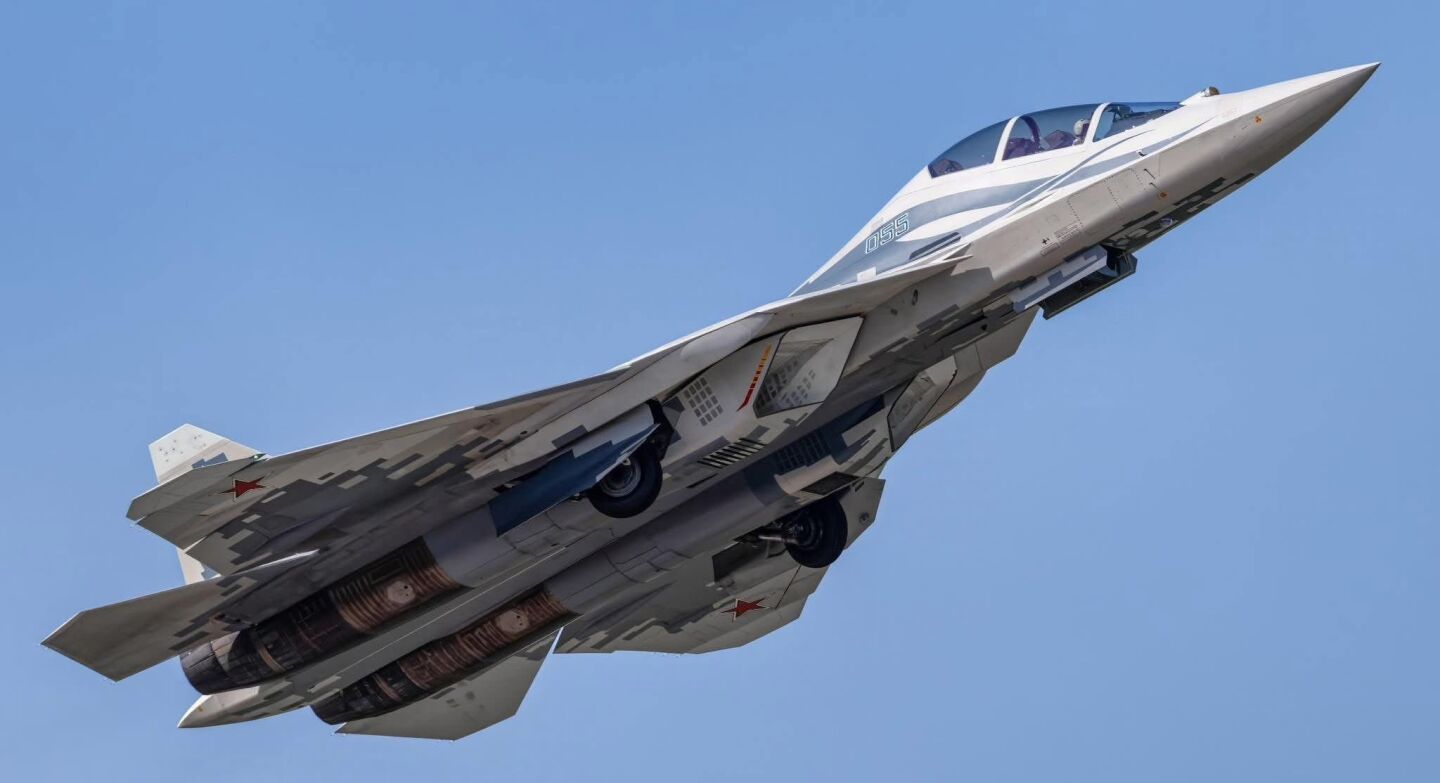
Russia's Sukhoi Design Bureau has disclosed new details regarding the planned two-seat variant of the Su-57 fifth-generation fighter, presenting the aircraft not simply as a trainer, but as a platform intended to introduce technologies associated with sixth generation combat aviation. According to Design Bureau Director Mikhail Strelets, the additional cockpit will allow the aircraft to function as an airborne command post capable of directing unmanned combat aircraft while simultaneously carrying out conventional fighter missions. The aircraft, widely referred to as the Su-57D, made its first flight on May 19.
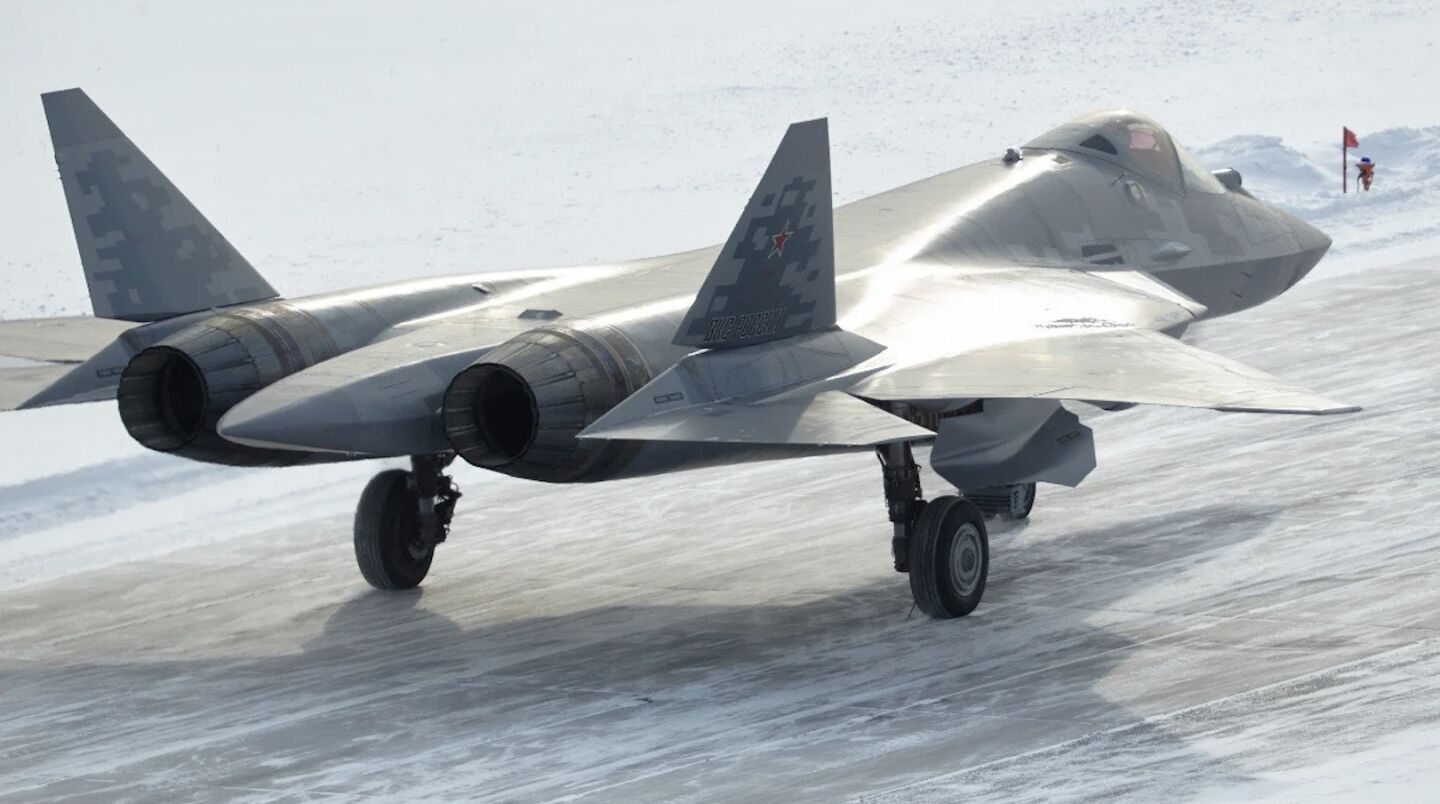
Strelets explained that the second crew member would be dedicated to managing unmanned systems, allowing the pilot to focus entirely on flying the aircraft and executing combat tasks. He described the capability as "one of the key sixth-generation technologies," reflecting a growing international emphasis on integrating manned fighters with autonomous and semi-autonomous aircraft. The concept centres primarily on controlling the S-70 Okhotnik heavy unmanned fighter, which has been under development alongside the Su-57 for several years. Russia has repeatedly presented the Okhotnik as a ‘loyal wingman’ designed to accompany the fighter, with its large weapons payload and advanced stealth capabilities potentially making it a force multiplier.
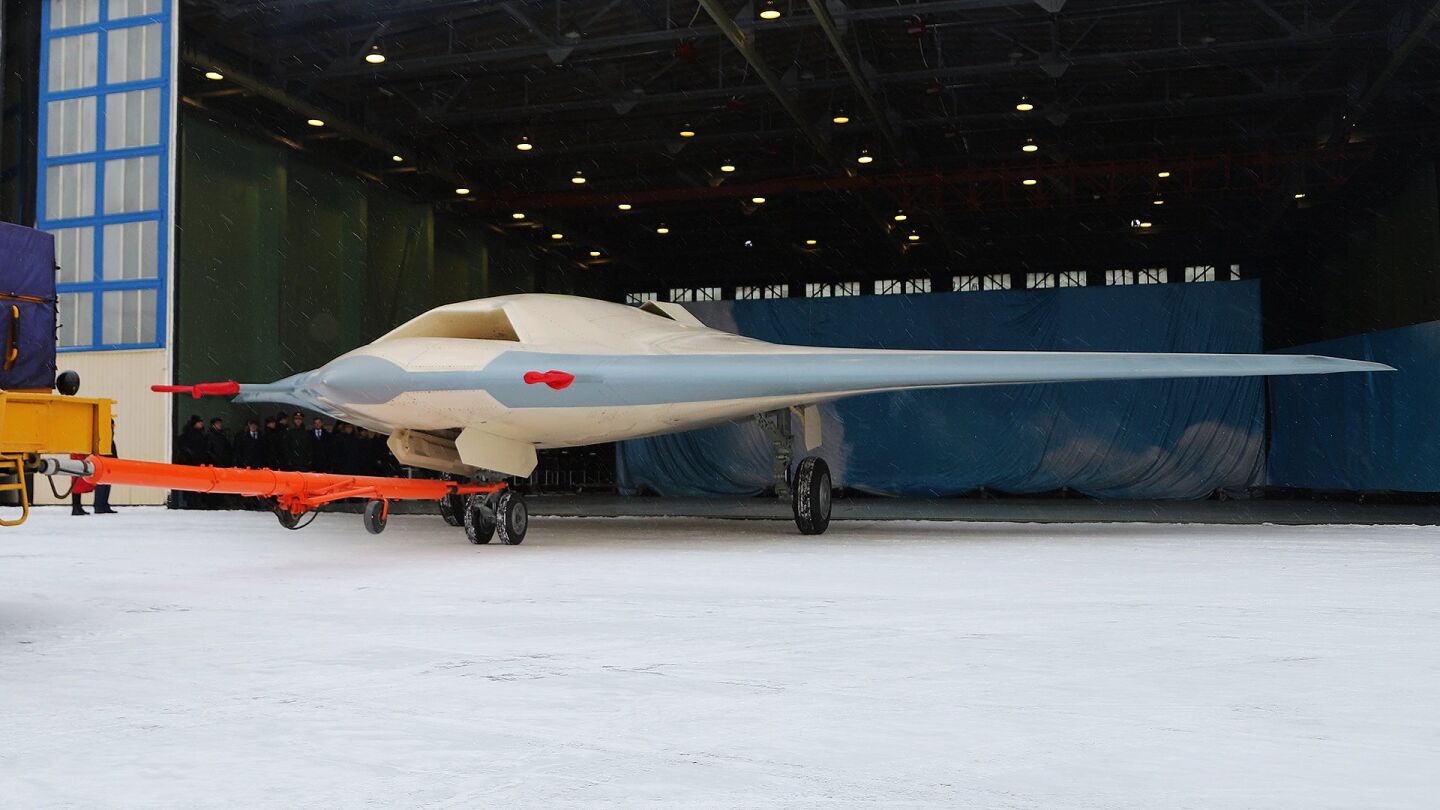
According to Strelets, the second operator would also be able to coordinate multiple AI-enabled drones or entire swarms rather than a single aircraft, considerably expanding the Su-57's role beyond that of a traditional fighter. He added that the two-seat aircraft will also serve as a flying laboratory for testing artificial intelligence technologies currently being developed. AI integration is expected to play an increasingly important role in future combat aviation, assisting with sensor fusion, target recognition, mission planning, electronic warfare and autonomous control of unmanned aircraft. Using an operational fighter to evaluate these systems would allow new software and operational concepts to be refined before wider introduction across Russia's future combat aircraft fleet.
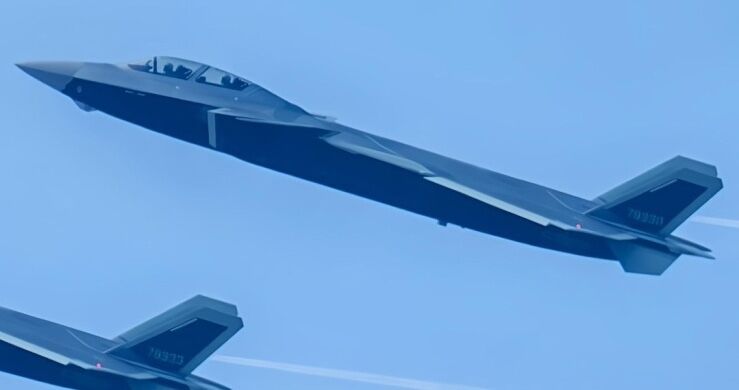
Russian officials have discussed a two-seat Su-57 since the early stages of the program, with a strong focus on its operational value rather than its usefulness as a conversion trainer. Unlike earlier Soviet and Russian fighters that often required dedicated twin-seat training variants, modern digital flight control systems have significantly reduced training requirements, making specialised combat roles a stronger justification for developing a second-seat version. The concept broadly mirrors trends emerging in other major air forces, with China having introduced the world’s first twin seat fifth generation fighter, the J-20S, into service some time in 2023-2024. Alongside advantages in terms of workload sharing for complex combat operations, and command and control over other J-20 fighters, the J-20S has a design optimised to accommodate a controller for accompanying unmanned ‘wingman’ aircraft.
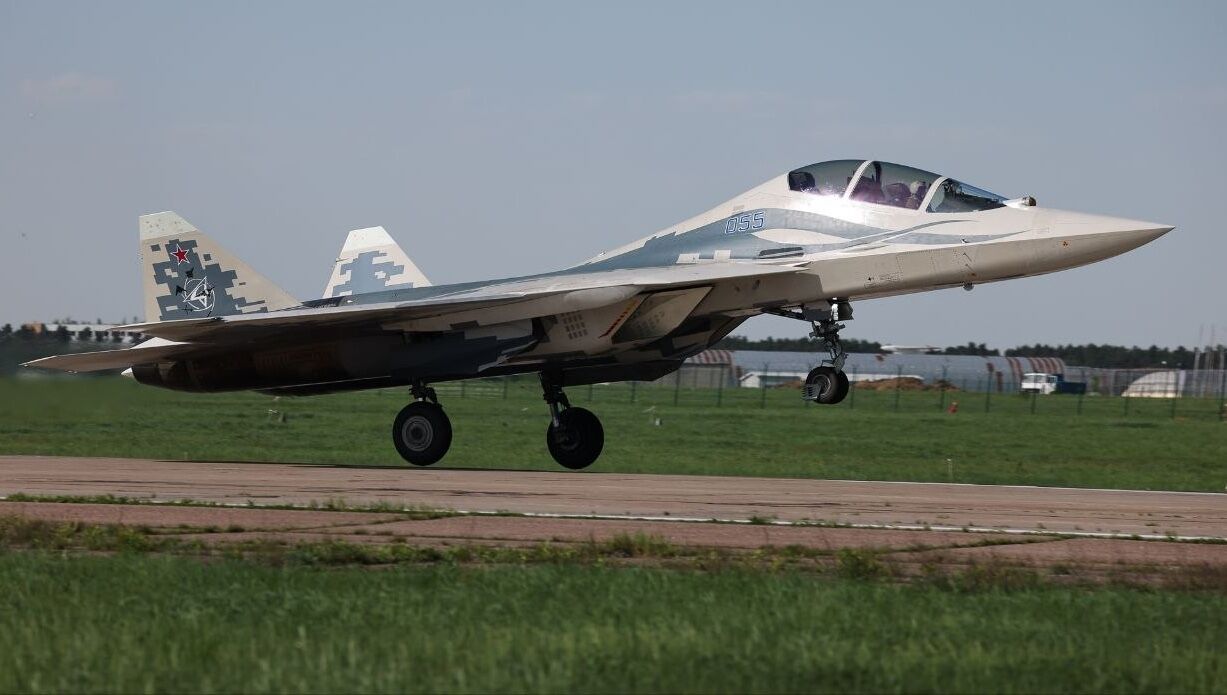
Chief test pilot supporting the Su-57 fifth generation fighter program, Sergey Bogdan, in May elaborated on the future potential of the Su-57 twin seat design, observing: “The paradigm of war is evolving, and the combat capabilities of a unit with twin-seater aircraft could be expanded. This format is becoming especially relevant in the context of the network-centric nature of modern conflicts. The functions and capabilities of a twin-seater (cockpit) aircraft for interaction with other aircraft are much broader.” He added that additional missions may be assigned to the aircraft in the near future, “but this is a matter of the future; the window of combat opportunity for twin-seater aircraft is only just opening.”
