
South Korea Shrinking its Fighter Fleet By Retiring of Hundreds of F-5 Jets Years Ahead of Schedule
Military Watch Magazine Editorial Staff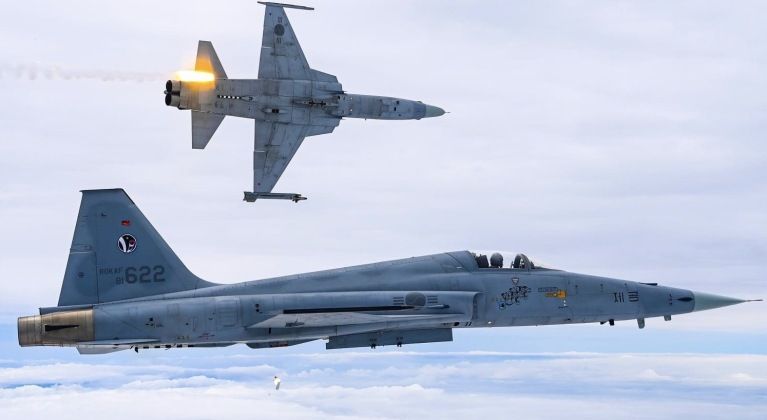
F-5E/F Fighters in South Korean Service
The Republic of Korea Air Force has accelerated plans to retire its F-5E/F fighters from service, after these aircraft for decades formed the backbone of its fleet, bringing forward the date of retirement from the end of 2030, to the end of 2027. The accelerated retirement timeline was announced by Air Force Chief of Staff General Son Seok-rak, at a time when the KF-21 fifth generation fighter program has faced delays and cost overruns. Issues with the KF-21 program were assessed by multiple analysts as a likely factor in the decision to retire the F-5 early, with savings on the older aircraft’s operational costs expected to help balance the Air Force’s budget. The rapid modernisation of the aerial warfare capabilities of North Korea and neighbouring China have long left the F-5’s combat viability in serious question, with South Korea having for years been the type’s only remaining large scale operator other than Iran.
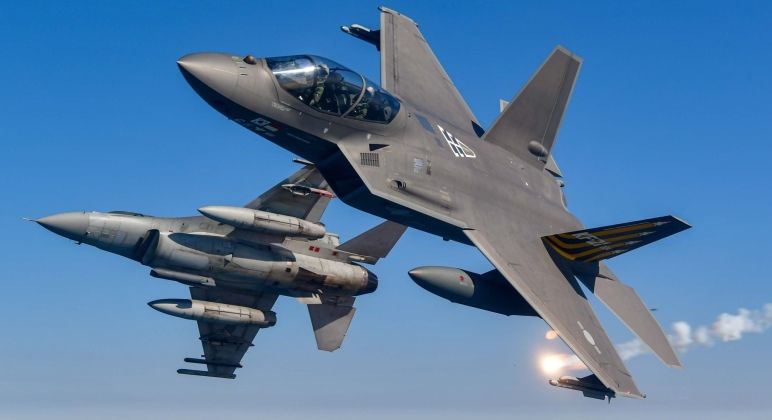
Accelerated retirements of older fighter types in response to cost overruns in the development of their replacements is notably far from unprecedented, with the U.S. Air Force having accelerated plans to retire multiple fighter types such as F-16s specifically due to major cost overruns with the F-35 fifth generation fighter program. The savings from retiring the F-5 early are nevertheless expected to be limited, with the very lightweight aircraft having some of the lowest operational costs and maintenance needs of any operational fighter type in the world. It is notable that the Republic of Korea Air Force did not invest in significant modernisation of the F-5, contrasting to Thailand which commissioned to most extensive set of upgrades, providing the ageing Vietnam War era aircraft with superior beyond visual range combat capabilities to most variants of the much newer F-16.
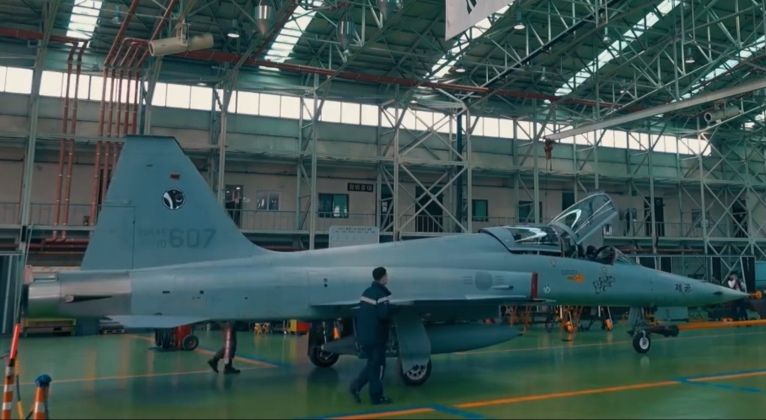
Beyond cost overruns with the KF-21 program, local sources have speculated that a major increase in fuel costs, which is expected to remain high for several months and possibly years, is likely to have been a major factor in the decision to seek to reduce expenses, with the retirement of the F-5 expected to have only a limited impact on combat capabilities. The F-5 was notably until the early-mid 2020s still the most numerous fighter type in the Republic of Korea Air Force, with close to 200 in service. The fighter type recently gained significant publicity after aircraft in Iranian service were flown on deep penetration strikes into Kuwait to bomb U.S. bases, which raised serious questions regarding the state of the U.S. and its strategic partners’ air defences. The decision to require the fighter type early was made less than a year after one of the last major operators, the Republic of China Air Force, retired its last of the aircraft in July 2025.
