
U.S. Senators Move to Restart MQ-9 Drone Production After Major Losses and Central Role in Assault on Iran
Military Watch Magazine Editorial Staff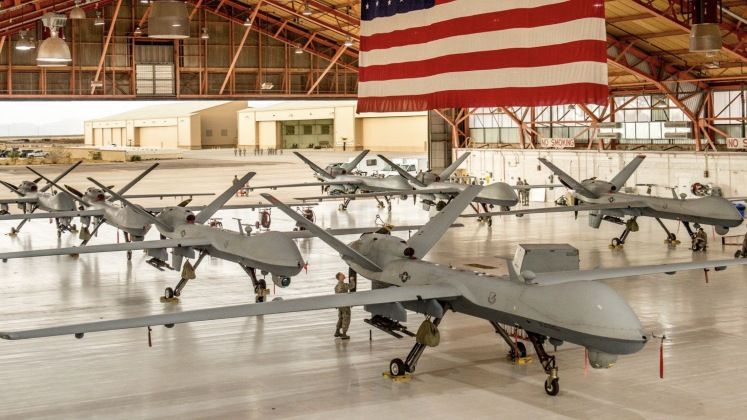
MQ-9 Reaper Drones
United States Air Force Chief of Staff General Kenneth Wilsbach has referred to the MQ-9 Reaper drone as the “most valuable player” of the country’s war effort against Iran, raising questions regarding the extent of its role which saw the aircraft take particularly high losses. Wilsbach said the MQ-9 was by far the most widely used aircraft to support strikes against more than 13,000 targets during the war. One reason was risk reduction, as the Air Force could fly the drone into higher-threat areas and keep it there on watch, in was that would be difficult for crewed aircraft as it would place lives at risk. “We’ve made many, many strikes,” with Reapers, he stated, adding that “no other platform is even close to the MQ-9” in terms of the number of strikes against Iran. “It’s an unmanned platform, so we get a lot of utility out of them, and don’t put our folks at risk,” he added.
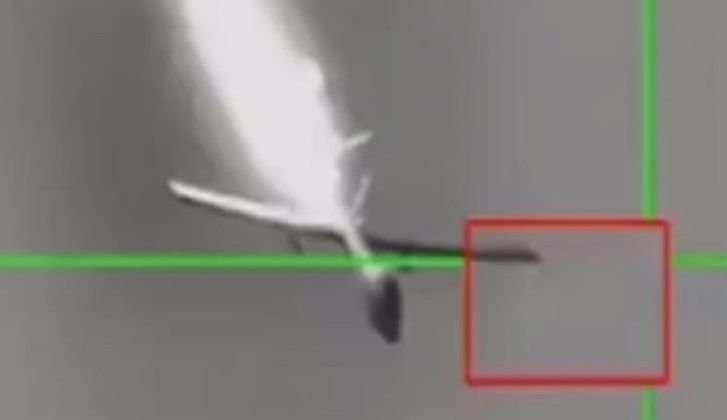
The Air Force’s MQ-9 inventory reportedly declined from 165 aircraft at the start of Fiscal Year 2026 to approximately 135 after recent operations, with nearly thirty Reapers reportedly lost during Operation Epic Fury alone. This followed prior losses over prolonged operations against Ansuruallah Coalition forces from late 2024. The aircraft’s producer, General Atomics, has offered to provide the MQ-9B to replenish losses, although this aircraft was developed for maritime operations, raising questions regarding its suitability for the Air Force. “We are proactively developing options and offering solutions to the problem… The MQ-9B line is hot, with 100 aircraft on order from 10 different nations. It is better in every way than the MQ-9A and is a true asset for America. We know there is a solution to this problem, and we’re prepared to help,” he observed.
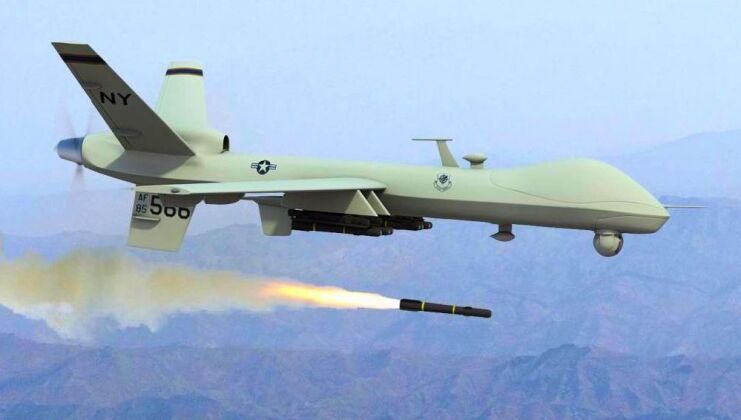
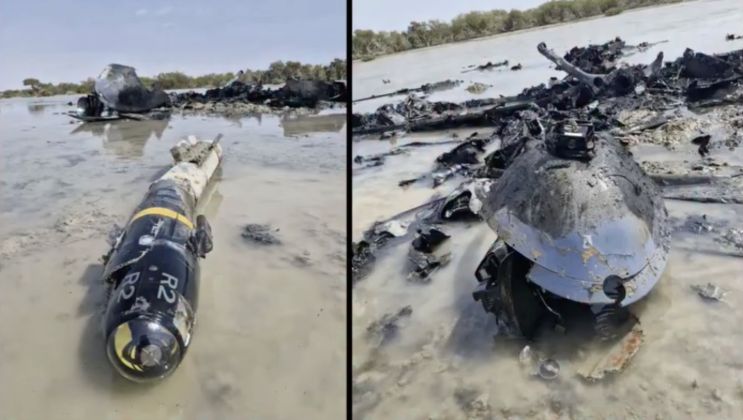
The fallout from the shootdown of 52 Reaper drones over Iran and Yemen has been interpreted by analysts as an important indication of how limited the United States’ ability is to rapidly regenerate its losses have become, as production of the MQ-9A concluded in 2025. Following the MQ-9’s successes, and serious losses of the aircraft, the Senate Armed Services Committee’s 2027 National Defense Authorisation bill approved on June 11 directed “the Secretary of the Air Force to limit divestment and to submit a report and briefing on the MQ-9 aircraft, while directing the Air Force to increase inventory by 2028,” according to a summary provided by committee staff. With successor to the aircraft not expected to be developed until the late 2030s at the earliest, restarting procurements appears to be the only means to prevent a serious capability gap.
The MQ-9 is relied on for intelligence, surveillance, reconnaissance, target acquisition and precision strike missions, and form a key part of the U.S. reconnaissance-strike complex. Severe losses of the aircraft have underscored broader concerns about U.S. military resilience in a prolonged high-intensity conflict, with difficulties replacing even a relatively inexpensive unmanned aircraft demonstrating the constraints imposed by a very limited industrial surge capacity. Broader shortages of military equipment following a brief period of high intensity hostilities with Iran has seriously weakened the U.S. global force posture, shaken faith in U.S. support among key strategic partners, and resulted in suspension of urgently needed supplies to partners such as Japan.
