
U.S. Loses 51st MQ-9 Drone in Clashes with Yemeni and Iranian Forces
Military Watch Magazine Editorial Staff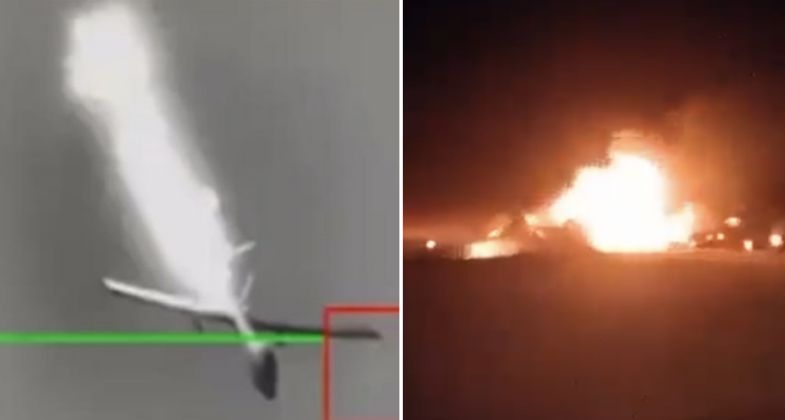
MQ-9 Shot Down (left) and Wreckage of MQ-9 Shot Down Over Yemen
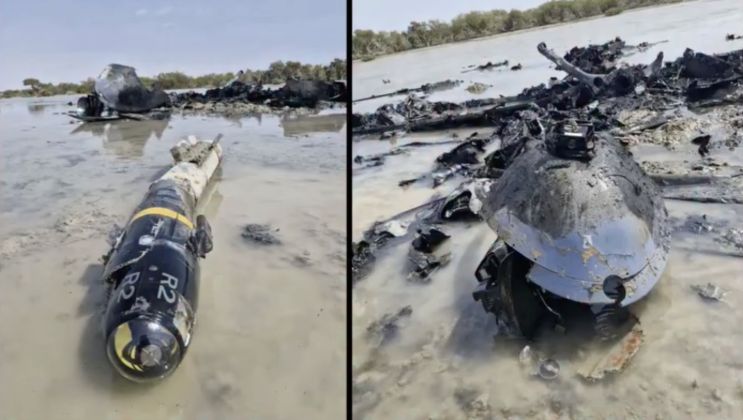
Yemeni Ansurullah Coalition Forces have released footage confirming the shootdown of a U.S. Air Force MQ-9 Reaper unmanned aircraft, marking the 27th Reaper shot down by their forces, and the 51st shot down in broader regional hostilities by air defences in Yemen and Iran collectively. The aircraft was shot down in the late hours of May 17, with footage confirming that it was carrying AGM-114 air-to-ground missiles. The missile type was designed for targeted assassinations with minimal collateral damage, and uses deployable blades instead of a traditional explosive warhead. The Reaper was reportedly the MQ-9A Block 5 Extended Range variant, and was neutralised over the Marib Governate in western Yemen. An external fuel tank was recovered at the crash site.
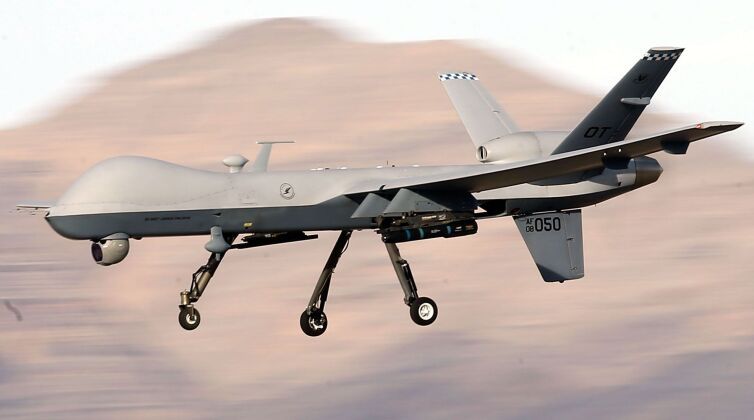
The U.S. Armed Forces are heavily reliant on the MQ-9 for both strike and reconnaissance roles across multiple theatres, in particular in the Pacific and the Middle East. The aircraft can perform maritime and land target surveillance missions during peacetime, as well as tactical reconnaissance of specific targets, while in wartime its real-time reconnaissance capabilities allow for the immediate transmission of imagery for analysis and use. The aircraft’s demonstrated very limited survivability against adversaries with relatively constrained air defence capabilities have led analysts to widely conclude that its utility would likely be highly constrained in a high intensity conflict with a more capable adversary such as China or North Korea.
During 39 days of U.S.-Iranian hostilities that began on February 28, 39 U.S. Armed Forces aircraft were destroyed and a further 10 sustained varying levels of damage. Iranian shootdowns of MQ-9 Reaper drones accounted for the bulk of U.S. losses in the air, with these aircraft having been deployed deep inside Iranian airspace for missions which were too high risk for manned aircraft. Twenty-four of the aircraft are estimated to have been shot down during the conflict. The aircraft are considered far from expendable, costing close to $150 million each. Their lack of pilots has allowed them to be flown on higher risk missions than other types of aircraft, including deep inside hostile airspace, and they are considered more expendable than manned fighters such as the F-35. Iranian and Yemeni infrared-guided air defence systems have posed significant challenges to U.S. and allied Israeli aircraft, and are thought to have been responsible for the bulk of shootdowns achieved.
