Russian Brings World’s First Nuclear Powered Hypersonic Cruise Missile Submarine Into Service
Military Watch Magazine Editorial Staff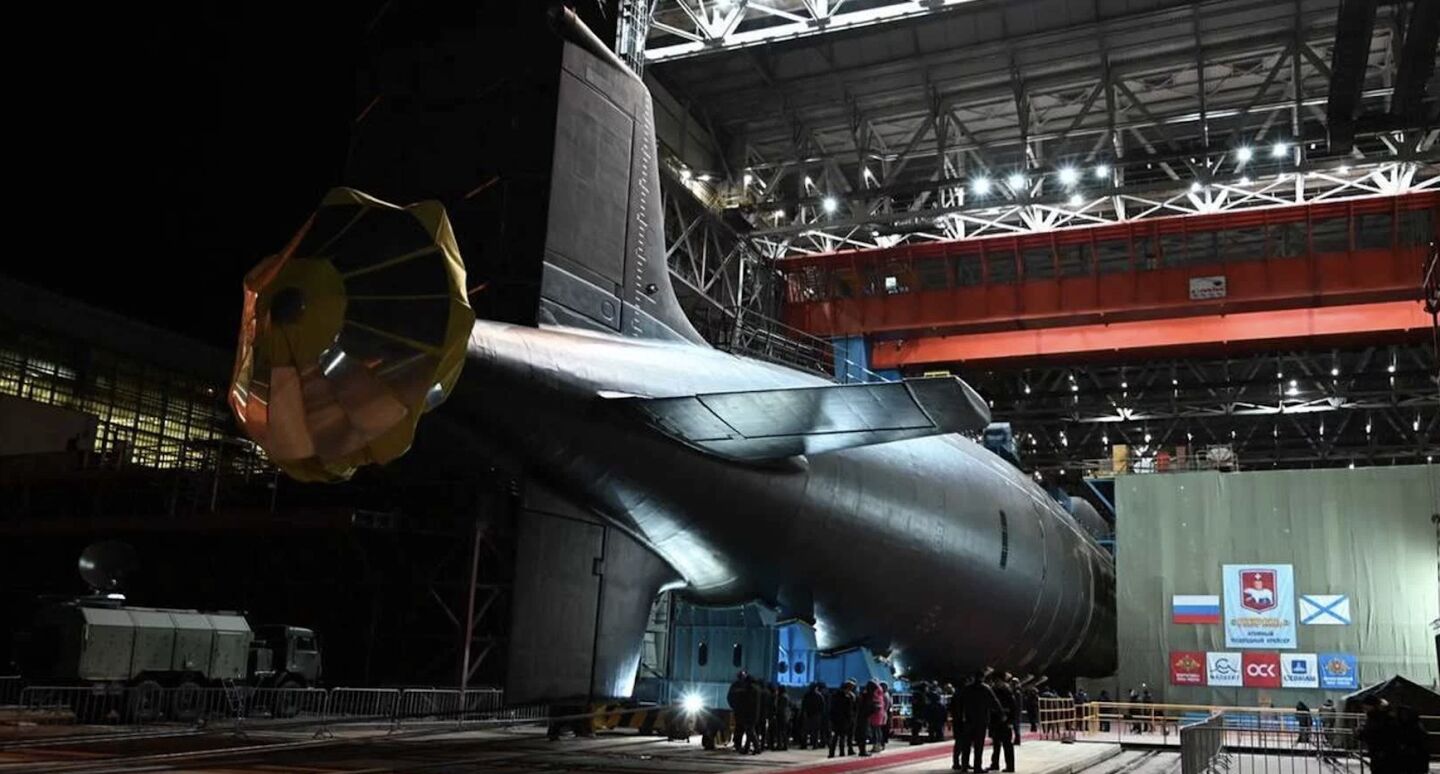
Russian Navy Yasen Class Nuclear Powered Cruise Missile Submarine Perm
The Russian Navy has commissioned the world’s first submarine armed with hypersonic cruise missiles, with the Yasen class attack submarine Perm brought into service on November 27. The warship has stood out as the first submarine built to integrate Zircon hypersonic cruise missiles, although it is expected that older Yasen class ships will also be modified to be equipped with the missiles. The Zircon is the world’s first hypersonic cruise missile to enter service, and combines a Mach 9 speed and high manoeuvrability with a 1,000 kilometre range. The missile’s advanced capabilities are of key importance to Russia’s asymmetric strategy, which is centred on using missile superiority to allow a much smaller and in many respects less advanced surface fleet supported by cutting edge submarines to engage larger NATO navies.
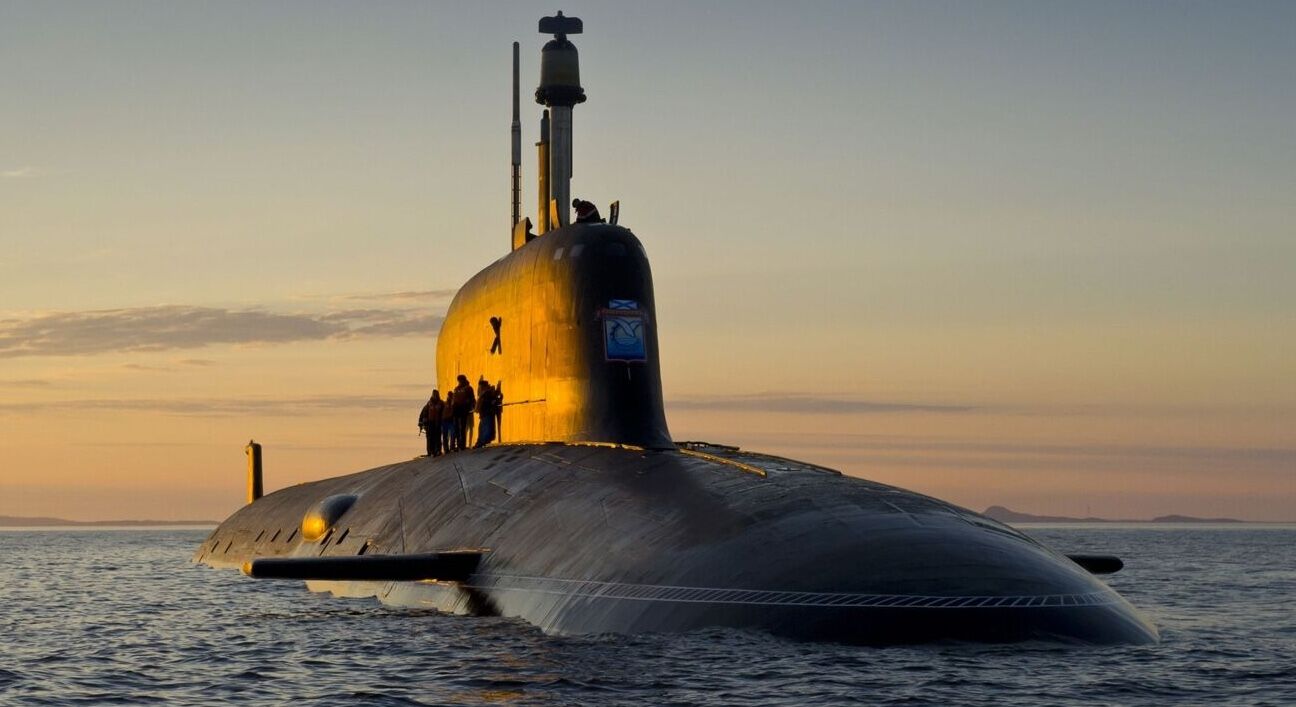
The Perm was laid down in 2016 and launched in March 2025, before completing factory and state trials. The Sevmash Shipyard signed its acceptance certificate on November 10, with the interval between laying the keel and commissioning reflects the lengthy process of building and testing a complex nuclear powered ships. The Perm is the sixth Yasen-M class nuclear-powered attack submarine to have been launched, with the 14,000 ton ships each able to integrate up to 32 cruise missiles, making them among the most heavily armed submarines in the world. Over a dozen of the ships are expected to enter service, with the tenth ship of the class, the Murmansk, having been laid down in June.
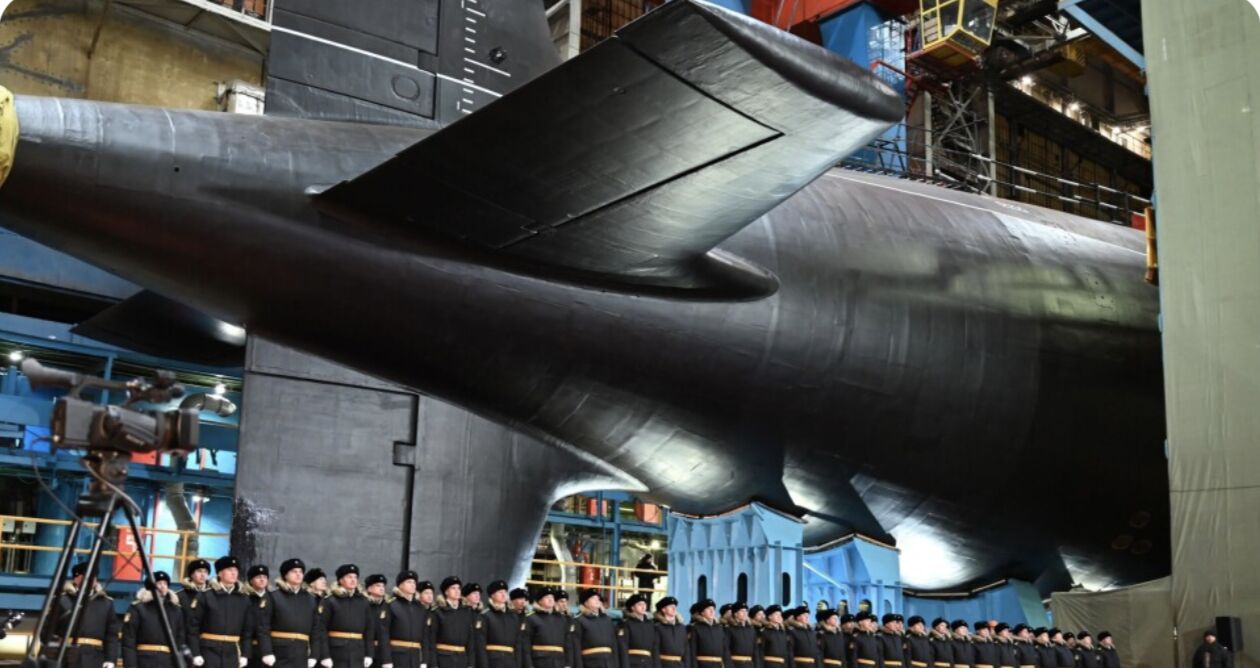
The Perm’s assignment to the Pacific Fleet will add a modern long-range strike submarine to Russia’s eastern force, at a time when the United States continues to stage a significant military buildup in the region. The fleet operates across the northern Pacific and the Sea of Okhotsk, while also having to account for activity around Japan and the wider western Pacific. A Yasen-M can threaten ships at sea and, with land-attack missiles, targets far beyond the immediate coastline. The Zircon has been tested in land attack roles in the Ukrainian theatre, and could be used to deliver nuclear strikes against key military facilities in the region such as U.S. military facilities hosting F-35 fighters in Japan.
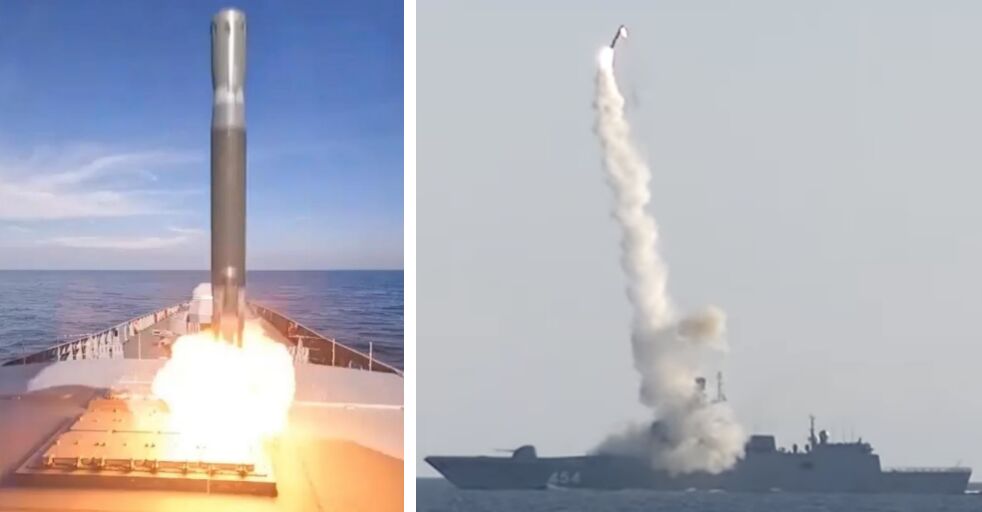
In October the Russian Navy’s Pacific Fleet conducted a live-fire exercise, with the Yasen-M class nuclear-powered attack submarine Novosibirsk launching P-800 and Kalibr cruise missiles against simulated sea and land targets. A P-800 struck a simulated warship at a distance of more than 170 kilometres, while a Kalibr missile struck a target on land at the Kura testing range on Russia’s Kamchatka Peninsula, more than 1,200 kilometres from the submarine’s launch position. The Pacific fleet is one of just two fleets in the Navy that fields nuclear powered submarine, alongside the larger Northern Fleet that is repsponsible for operations in the Arctic. The service entry of the Zircon missile, and of new Yasen-M class submarines to replace older Cold War era ships such as the Oscar class, is expected to continue having a transformative impact on the fleet.