
New U.S. F-35 Deployments in Japan Vital to Counter Hostile Air Defences: Program Expert Highlights Why
Military Watch Magazine Editorial Staff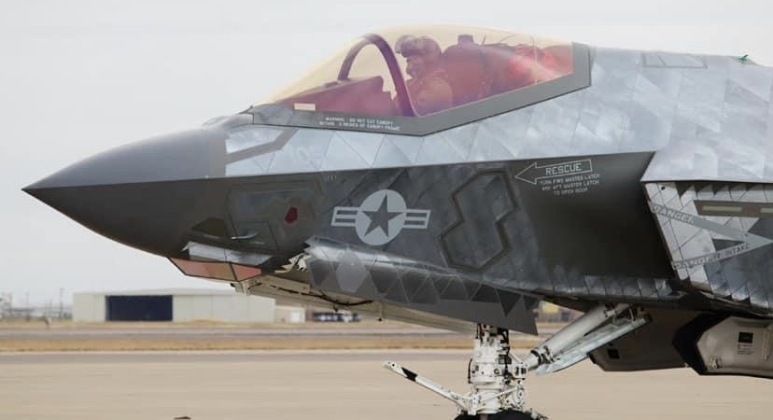
U.S. Air Force F-35A
USAF
The U.S. Air Force is expected to begin its first permanent deployment of F-35A fifth generation fighters in Japan in 2026, with the aircraft scheduled to arrive at Misawa Air Base in northern Japan to replace aging F-16CM fourth generation fighters under the 35th Fighter Wing. The F-16CM is a specialised variant of the F-16 optimised for air defence suppression operations, with the F-35A fighters that replace them expected to similarly see this role prioritised. Although the fighters themselves will not be modified, their role is likely to be reflected in their training and armaments. Unlike the F-16, which was developed primarily for air-to-air combat, and only later modernised with a conservative air defence suppression capability, the F-35 was developed from the outset with the primary goal of being able to engage advanced networks of ground based anti-aircraft systems. Its electronic warfare and stealth capabilities, and its unparalleled array of passive sensors to gather electronic intelligence, make it optimal for such operations.
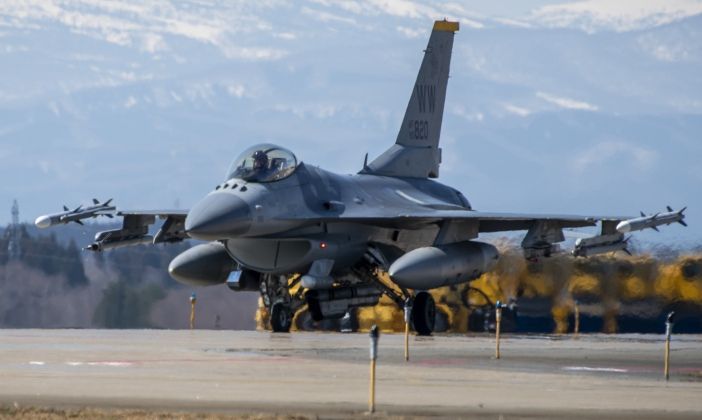
Commenting on the significance of the 35th Fighter Wing’s transition to the F-35, expert on the F-35 program Abraham Abrams observed in his recent book F-35 Joint Strike Fighter: A Great and Terrible Program:
“Since Japan did not operate the F-16, phasing the fighter type out in favour of the F-35A would increase commonality with local forces. The F-35A would provide a significantly more potent air defence suppression capability than the F-16CM, while also being far more versatile allowing it to perform more effectively in other roles. Fighter units in Japan faced three of the world’s most capable air defence networks, those of China, Russia, and North Korea, with the latter two countries relying very heavily on ground based systems to compensate for their lack of peer level fighter capabilities.”
Regarding the significance of the deployment for the Korean Peninsula in particular, Abrams observed: “The 35th Fighter Wing at Misawa Air Base that specialised in air defence suppression was expected to play particularly central role in a Korean conflict, due to the extreme density and fast growing sophistication of North Korea’s air defence network.”
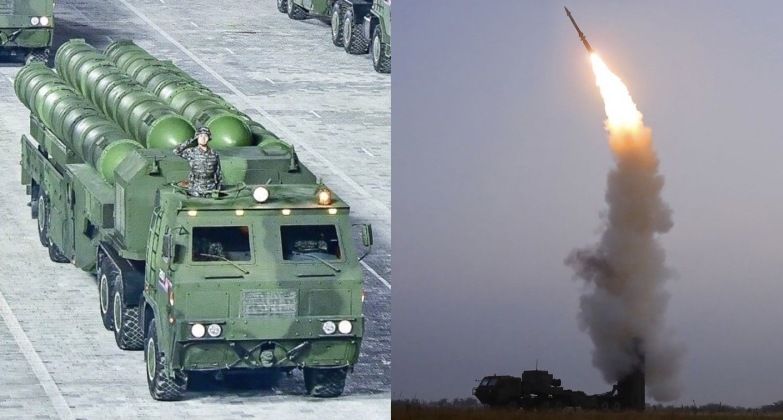
Despite its significantly more advanced avionics, weaponry and stealth capabilities, the F-35’s ability to contribute to air defence suppression operations is currently limited as a result of the extreme delays bringing capabilities to the Block 4 standard. Pre-Block 4 F-35s lack access to any air-to-surface missiles, including the AGM-88G anti-radiation missile developed specifically to home in on radar emissions and destroy air defence systems. An indication of this was provided by Israeli Air Force officers, who observed that F-35s participating in attacks on Iran in June 2025 primarily served as intelligence collection platforms which shared data with fourth generation fighters to increase situational awareness, rather than launching kinetic attacks themselves.
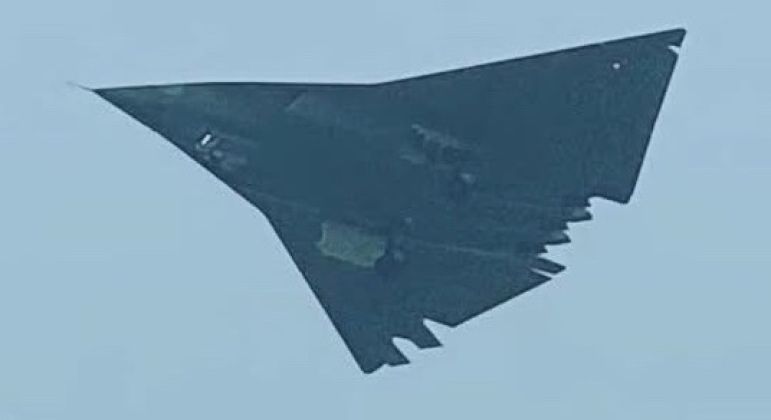
The viability of allocating one of the few fifth generation air units to air defence suppression in Northeast Asia has increasingly been called into question, at a time when Chinese air dominance is considered highly likely. The Chinese People’s Liberation Army Air Force has continued to rapidly strengthens its fifth generation fleet, while the country’s defence sector has positioned itself to likely operationalise the world’s first sixth generation fighters in the early 2030s years ahead of the United States. U.S. Armed Forces deployments have been criticised for failing to keep up with the rapid pace of the shifts in the security situation in Northeast Asia, which appear increasingly unfavourable for U.S. and broader Western Bloc interests.
