
World’s First Hypersonic Cruise Missile Submarine to Enter Service in Russia in 2026
Military Watch Magazine Editorial Staff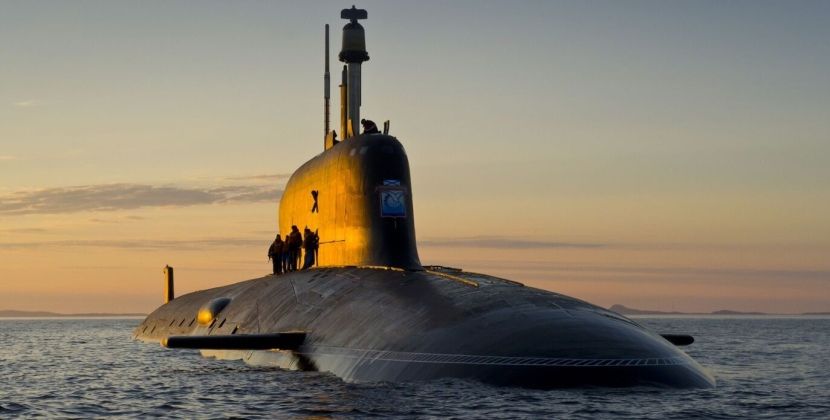
Russian Navy Yasen Class Nuclear Powered Attack Submarine
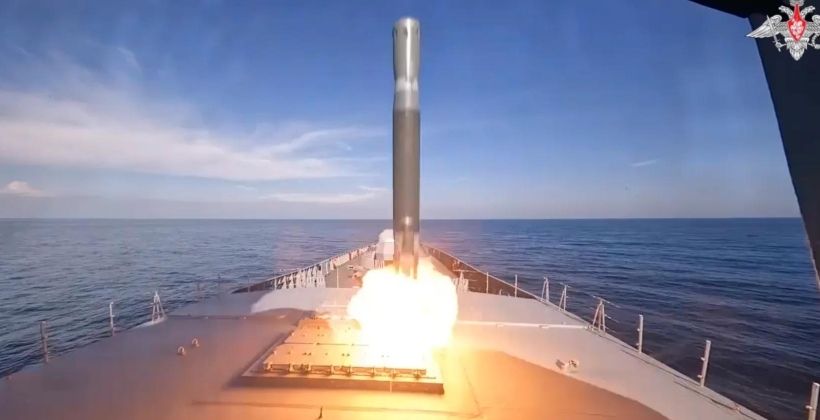
The Russian Navy is set to commission its first nuclear-powered submarine equipped with the 3M22 Zircon hypersonic cruise missile before the end of the year, marking a significant milestone in the modernisation of the country's undersea strike capabilities. Russian Navy Commander-in-Chief Admiral Alexander Moiseyev confirmed that the Yasen-M class attack submarine Perm will become the first to integrate the new missile type, greatly expanding the operational reach and survivability. The Zircon was first delivered to the Navy in 2019, and is the only weapon of its kind in the world, with its combination of a 1,000 kilometre range, Mach 9 speed, and high manoeuvrability making it a major force multiplier for Russian combat ships.
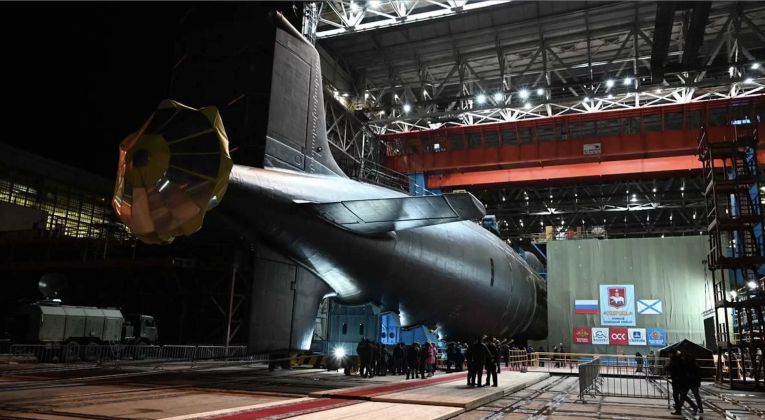
The Perm is the sixth Yasen-M class nuclear-powered attack submarine to have been launched, and differs from earlier vessels in several important respects. Unlike the first five boats, which are being retrofitted to accommodate Zircon, the Perm was designed from the outset with the hypersonic missile in mind. This has reportedly resulted in modifications to the submarine's vertical launch system and associated combat management equipment, allowing it to exploit the missile's full operational potential without requiring significant future alterations. The 14,000 ton ships can each integrate up to 32 cruise missiles, making them among the most heavily armed submarines in the world. Over a dozen of the ships are expected to enter service, with the tenth ship of the class, the Murmansk, having been laid down in June.
Notable features on the Yasen-M class include raft-mounted machinery, improved propulser design, acoustic coatings, and numerous noise-reduction measures which are assessed to have made the submarine class among the quietest and most challenging to detect in the world. This stealth capability is combined with large armaments and sensor suites. While the Russian Navy has in many areas lagged far behind the cutting edge since the disintegration of the Soviet Union, it has maintained its world leading standings achieved in the Soviet era in its submarine and cruise missile capabilities. The Navy’s P-800 and Kalibr anti-ship cruise missiles already had distinct advantages over their Western counterparts before the Zircon significantly widened the performance gap.
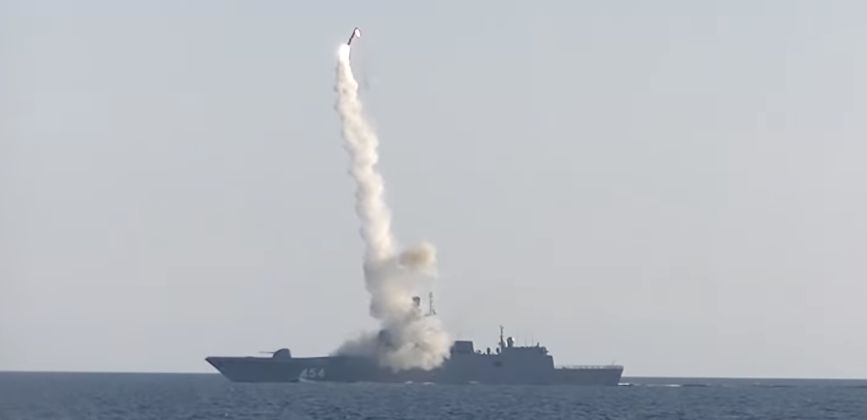
Beyond anti-ship operations, Zircon is also believed capable of engaging heavily defended land targets with conventional warheads. This gives Yasen-M class submarines a broader strategic role, allowing them to conduct long-range precision strikes against command centres, airbases, logistics facilities and other critical military infrastructure while remaining well outside the reach of most anti-submarine forces. This also makes it more viable to equip submarines entirely with Zircon missiles, without relying on land attack variants of the Kalibr missile. Attack submarines equipped with the new missiles are expected to provide a capability to threaten U.S. carrier groups at sea, providing an asymmetric counter to Western Bloc blue water conventional dominance. The Zircon’s ability to strike from safer distances, and its far greater lethality due to its greater kinetic energy and ability to penetrate air defences, make engaging large naval groups more viable for Russian Yasen class ships.
