
Russian Su-57 Fifth Generation Fighters Relying More on New S-71K Cruise Missiles to Strike Ukrainian Targets
Military Watch Magazine Editorial Staff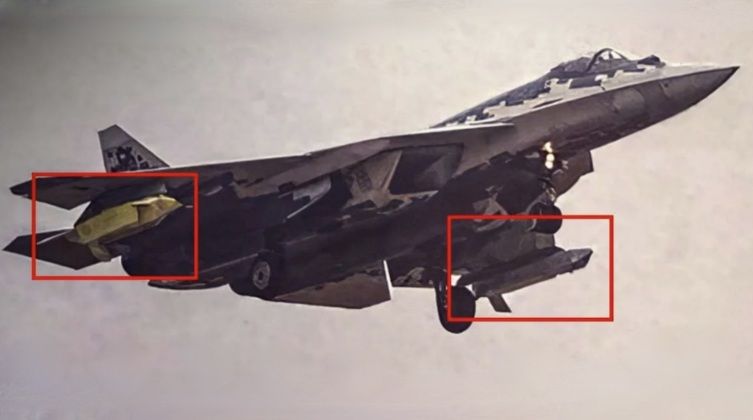
Su-57 with S-71 Cruise Missiles
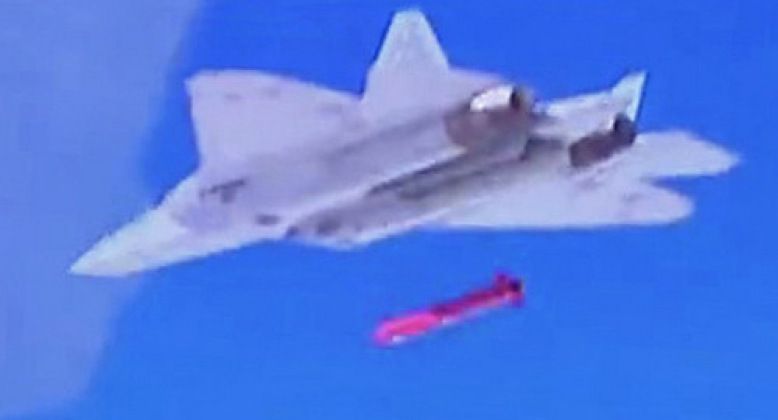
The Defence Intelligence of Ukraine has released computer generated imagery of a new type of Russian air-launched cruise missile, designated in the West the S-71K Kover, which has reportedly begun to equip Su-57 fifth generation fighter units and be used in combat. Ukrainian intelligence has also released information on the missile’s subsystems and electronic components, based on assessments of the remains of missiles used in the conflict. The missile is reported to integrate a 250 kilogram high-explosive fragmentation warhead, and uses an airframe built from multi-layer fibreglass composite materials with added reinforcement, supported by aluminium alloy internal structures. Although there is evidence of radar-absorbent coatings or other stealth materials, contrasting the new missile to other Russian cruise missile types which were optimised for stealth, the S-71K’s shape is reported to help reduce its radar signature.
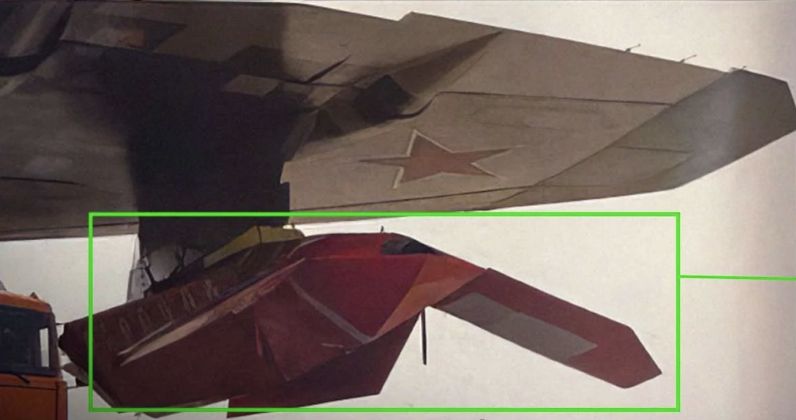
Intensified Su-57 operations were reported by Ukrainian sources in 2025 to have allowed the S-71 to be tested under combat conditions, with sources indicating at the time that it may be a hybrid between a drone and a cruise missile. The missile, later informally named the S-71 or Kh-71, was reported to be difficult to detect by radar and to be capable of making sharp evasive manoeuvres. The S-71 is thought to provide a less costly alternative to the Kh-59MK2 radar evading cruise missile, which was designed to serve as the Su-57’s primary ranged air-to-ground weapon. A significant factor reducing costs is that guidance is provided by basic inertial navigation system, with no terminal seeker, meaning although capable of striking pre-programmed targets accurately, it lacks a terminal phase precision guidance capability. The subsonic missile is powered by an R500 turbojet engine, and has a 300 kilometre maximum engagement range, according to Ukrainain sources.
Despite the relatively small size of the Su-57 fleet, which is estimated to have been large enough to equip just one regiment until 2025, operations by the aircraft against Ukrainain targets have included air defence suppression, air to air combat, and operations in heavily defended enemy airspace. The aircraft have launched a range of precision strike missions using both internally and externally deployed missiles. The Su-57 fleet was previously reported by Ukrainain sources in May 2024, in September that year, and again in August 2025, to have launched intensified their strikes on Ukrainian targets. Regarding the growing complexity of operations in 2025, Ukrainian sources reported: “Whole formations of Su-57s have already been observed in action… one aircraft provides cover using long-range R-77M air-to-air missiles while another pair conducts strikes with Kh-69 cruise missiles or precision-guided bombs.”
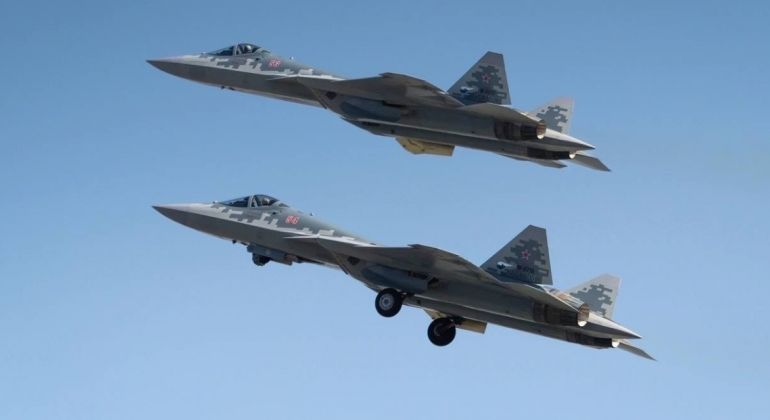
In August 2025 Deputy Commander-in-Chief of the Russian Aerospace Forces Lieutenant General Alexander Maksimtsev confirmed that preparations were underway to begin deliveries of Su-57 fighters at an accelerated rate, following the opening of new production facilities that month. This poses a considerable threat to Western and Ukrainian interests, as a large fleet would allow for a step change in how the Russian Aerospace Forces can wage war due to its vast superiority over the increasingly out of date Su-30SM and Su-35, which are the current backbones of the fleet. The Su-57 is benefitting from continuous improvements to its capabilities, one of which was the integration of a new artificial intelligence system reported in April 2026 to have been completed.
