
Russian Air Force to Receive First Su-57 Fighter in December 2020
Military Watch Magazine Editorial Staff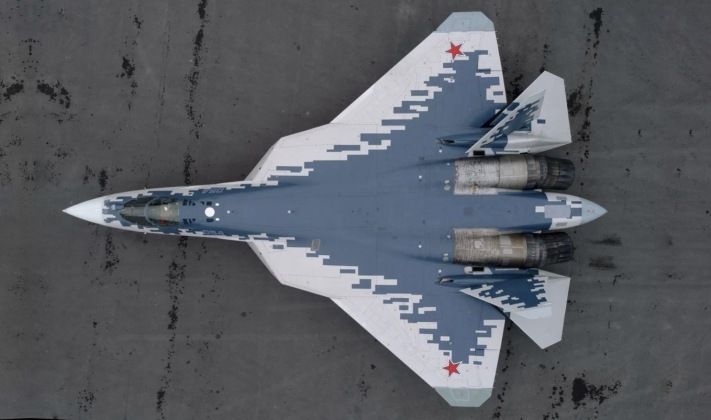
Russian Su-57 Next Generation Fighter
The Russian Air Force will receive its first fully operational Su-57 fighter jet in December 2020, almost eleven years after the aircraft saw its first flight in January 2010, according to an anonymous source from the Russian Defence Ministry cited by the country’s state media. According to the source, the delivery rate is expected to grow to 15 of the elite aircraft per year, with 76 of the aircraft are currently on order and followup orders for much larger quantities expected. The Su-57 entered serial production in July 2019, and the design remains very much a work in progress with multiple technologies currently being tested on prototype aircraft to develop the fighter to a sixth generation standard. These include the Saturn 30 engine, which will reportedly be the most powerful used by any fighter in the world and will enter service before 2025, alongside systems such as laser weapons, hypersonic missiles and artificial intelligence.
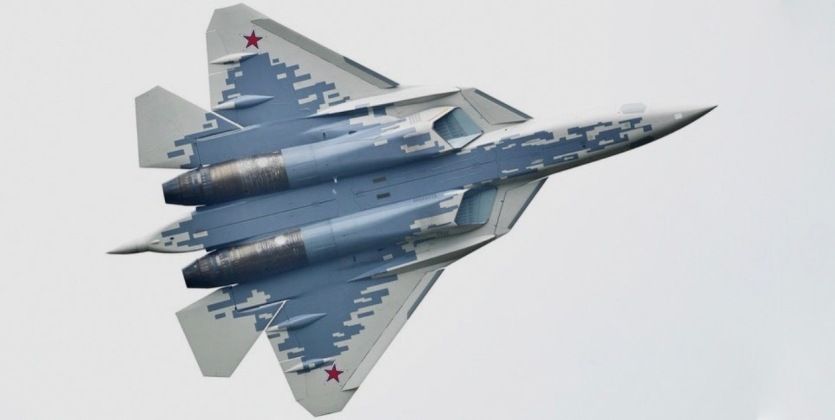
The Su-57 is currently considered one of the world’s most sophisticated fighter aircraft, and even without the Saturn 30 engine the initial production variants represent the most manoeuvrable heavyweight fighters ever developed. The aircraft currently use enhanced variants of the AL-41 engine developed for Russian Su-35 ‘4++ generation’ combat jets, which entered service in the Russian Air Force in 2014 and are currently considered the country’s most capable fighters in air to air combat. Prototypes of the Su-57 have already seen low intensity combat testing during at least three brief deployments to Syria of up to four jets at a time, where they employed standoff missiles against Islamist militant targets. Serially produced variants of the fighters are notably considerably more capable than those individually built as prototypes, with one notable difference being their much stealthier airframe as a result of superior production techniques which lower their radar cross sections.
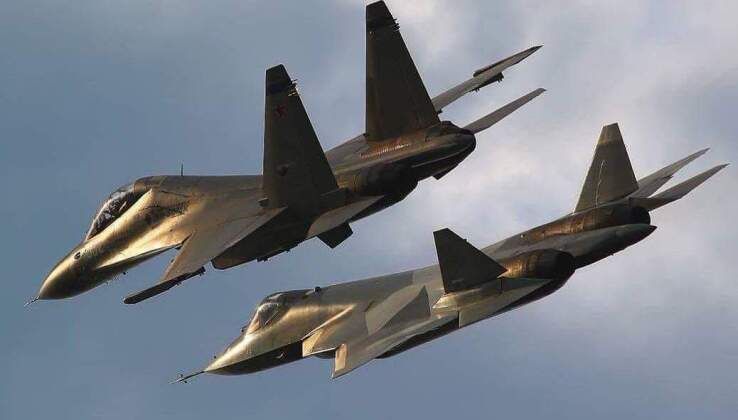
The Su-57 has a range of advanced features in its current variant not seen on other fighters, including access to air to air missiles with APAA guidance, deployment of other air to air missiles with extreme 400km ranges and hypersonic speeds, and integration of laser defence systems to neutralise threats from enemy missiles. The fighters will be the second in Russian service, after the lighter MiG-35 which entered service from June 2019, to integrate a nose mounted AESA radar. These types of sensors provide superior situational awareness and are both more reliable and more difficult to jam than older PESA radar designs such as those used by older Su-35 fighters. The Su-35 itself is one of many Russian fighters expected to benefit extensively from technologies developed for the Su-57, including its radars, which are likely to eventually be used to modernise older fighter designs.
