
Russia’s Tu-160 ‘White Swan’ Nuclear Bombers Join Patrols Near Alaska
Military Watch Magazine Editorial Staff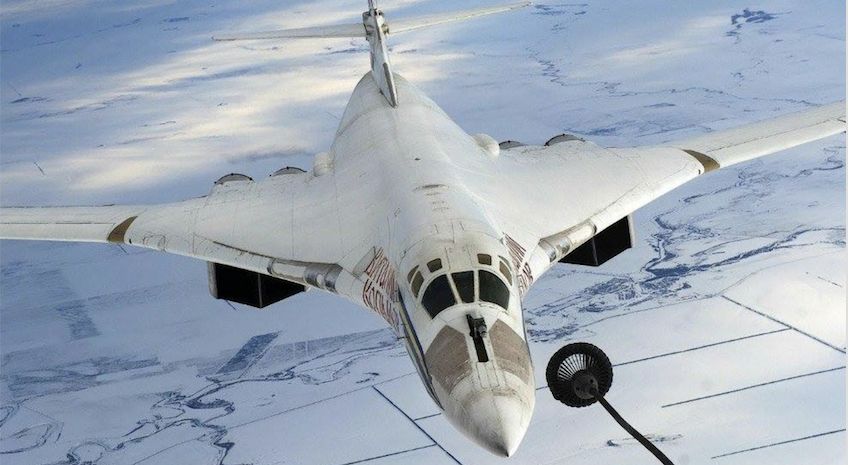
Tu-160 'White Swan' Strategic Bomber
On August 14th Russia’s armed forces flew two Tu-160 ‘White Swan’ swept wing strategic bombers near the United States' northwestern state of Alaska as part of a training exercise, well within strike range of the entire U.S. territory and the state capital Juneau. The Russian Defence Ministry reported that the bombers had flown over 6,000 km in more than eight hours from a base in western Russia to reach the Chukotka region facing Alaska. This came as part of a tactical exercise which would last until the end of the week. The Russian Air Force has previously flown a number of sorties using heavy bombers near the territory, but such operations have in recent years been carried out by the older Tu-95 ‘Bear’ turboprop aircraft. With a strait just 90 kilometres wide separating the two territories, both the United States Air Force and the Russian Air Force have deployed some of their most capable combat aircraft to the region - including two dozen F-22 Raptor air superiority fighters by the former and Su-35 air superiority fighters by the latter.
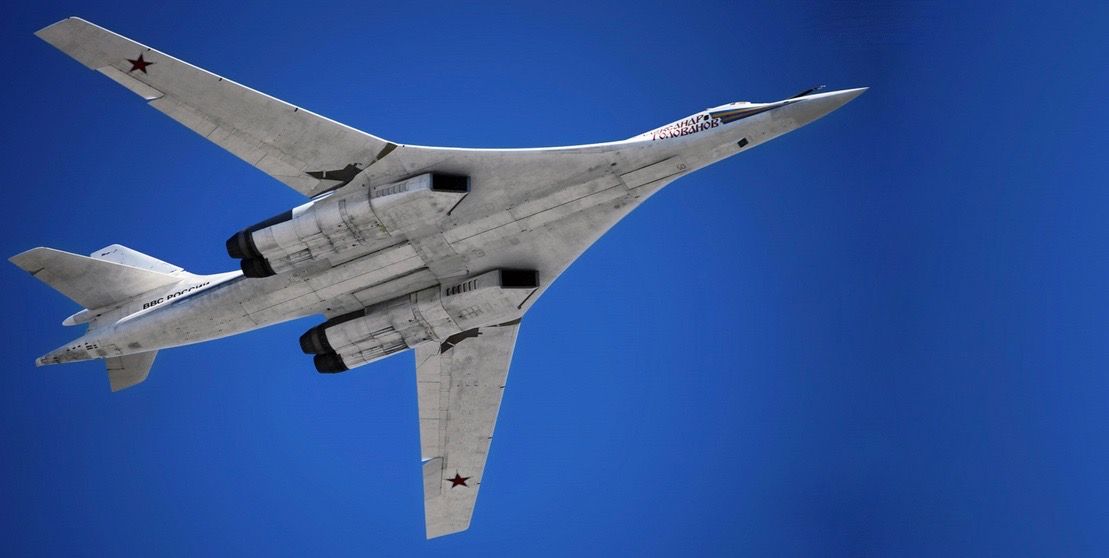
The Tu-160 is widely considered the world’s foremost strategic bomber, and is capable of exceeding speeds of Mach 2 and deploying Kh-102 nuclear radar evading tipped cruise missiles with a maximum estimated range of 5,500km. A pair of the bombers were briefly deployed to Venezuela in the second week of December 2018, a significant show of force at a time of escalating tensions with the United States which placed much of the U.S. mainland within the range of cruise missile strikes. It is likely that the deployment of Tu-160 bombers is intended as a signal to the United States regarding the potency of Russia’s deterrent capability. The U.S. Air Force for its part plans to receive a next generation strategic bomber if its own which is expected to surpass the capabilities of the Tu-160, the B-21 Raider, although when these will enter service and where they will be deployed remains uncertain. Russia is also planning a new strategic bomber class to augment its existing fleet, and likely replace the Tu-95, under the PAK DA program.
