
Russia’s Su-57 Now a Drone? Progress in Trials for Remote Piloting of New Stealth Platform
Military Watch Magazine Editorial Staff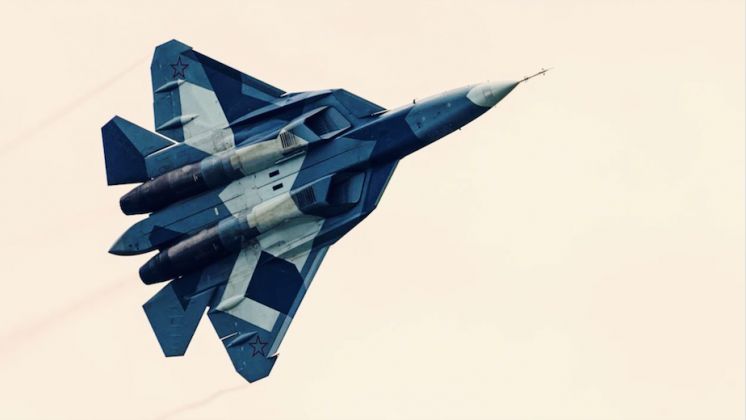
Russian Su-57 Next Generation Fighter
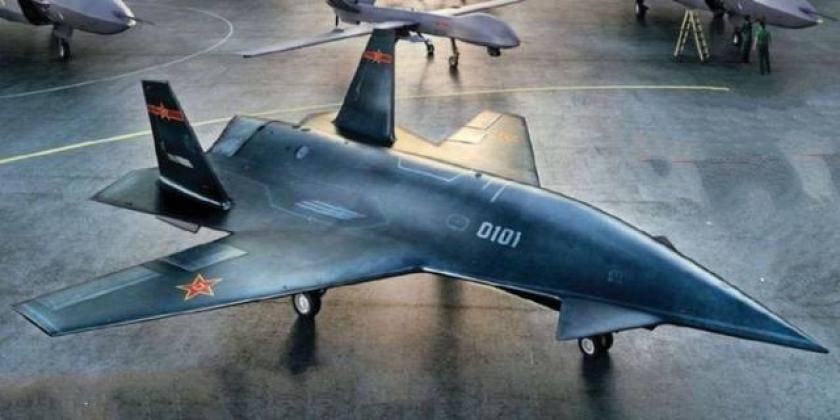
Russia has continued testing of unmanned and remotely piloted modes for its new Su-57 fighter prototypes, with the next generation aircraft designed from the outset to be able to operate in both manned and unmanned modes. CEO of the United Aircraft Corporation (UAC) Yuri Slyusar stated on August 24th regarding the program: "Indeed, we are considering the options of the remotely piloted mode on many platforms and, of course, such work is being carried out on the Su-57.” Russia is far from the only power investing in such technologies, with the British Tempest and U.S. F-X sixth generation fighters also reportedly set to have both manned and unmanned modes which is expected to be a key requirement for sixth generation fighter jets. China has been far more secretive regarding its plans for next generation combat aircraft, but it is working on at least one class of unmanned next generation fighter jet, the Dark Sword, which notably does not have an option for manned flight at all.
The Su-57 is currently considered a fifth generation fighter jet, although it integrates a range of revolutionary technologies from unique laser defence systems to its electronic warfare and communications systems which are not found on other fifth generation aircraft. The fighter is intended to be developed into a sixth generation platform, with its sensors, electronics, engines and weaponry all being heavily upgraded and a range of other next generation technologies such as artificial intelligence, laser weapons and hypersonic ballistic missiles expected to be integrated. It remains uncertain whether remote piloting of the fighter will remain viable once artificial intelligence progresses sufficiently to allow it to pilot aircraft on its own, as this will remove the vulnerability faced should the aircraft but cut off from its pilot by interference. Unmanned flight will provide multiple advantages for the Su-57, including allowing its remote pilots to 'train' far more cheaply and thereby allowing Russia to potentially deploy a significantly larger fleet. It will also allow the fighters to pull more extreme manoeuvres at higher g forces which would otherwise render a human pilot unconscious.
