
Russia Builds Fortified Shelters at Key Forward Airbase to Protect its Longest Ranged Fighters from Ukrainian Strikes
Military Watch Magazine Editorial Staff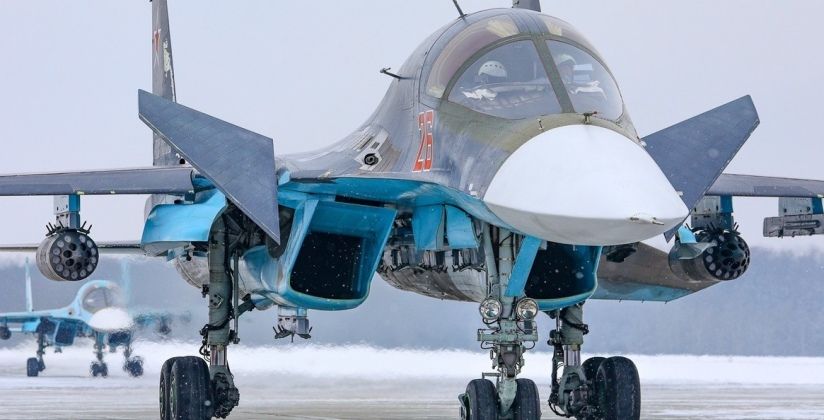
Su-34 Strike Fighter
New satellite imagery has confirmed that the Russian Aerospace Forces have completed the construction of multiple protective aircraft shelters at Marinovka Air Base in the Volgograd Region, which is one of the of the country’s principal bases supporting tactical reconnaissance missions over the Ukrainian theatre. The hardened structures are intended to improve the survivability of high value aircraft, as Ukrainian forces continue expanding their long-range strike capabilities against Russian airfields. Marinovka primarily hosts both Su-24MR tactical reconnaissance aircraft and Su-34 strike fighters configured for reconnaissance operations.
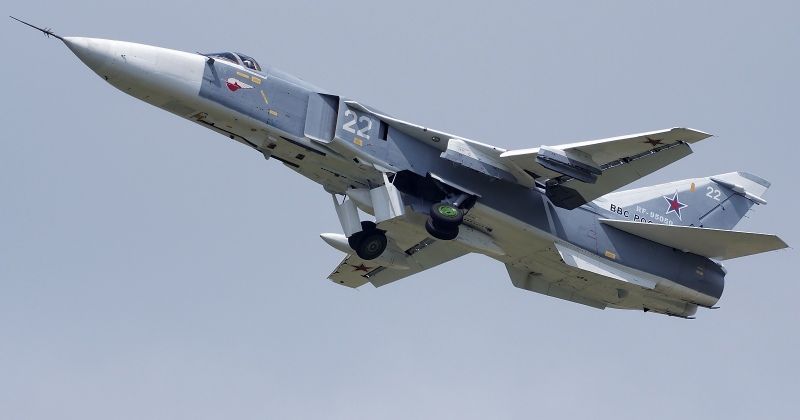
The addition of multiple protective hangars reflects the growing importance Russia has placed on safeguarding high-value aviation assets following repeated Ukrainian drone and missile attacks against military air bases across the country. The new shelters appear designed to protect aircraft from fragmentation, drone attacks and blast effects rather than providing complete immunity against direct hits by large precision-guided weapons. Even relatively simple hardened shelters can significantly reduce losses from drone strikes and loitering munitions by preventing secondary damage from explosions occurring elsewhere on an airfield.
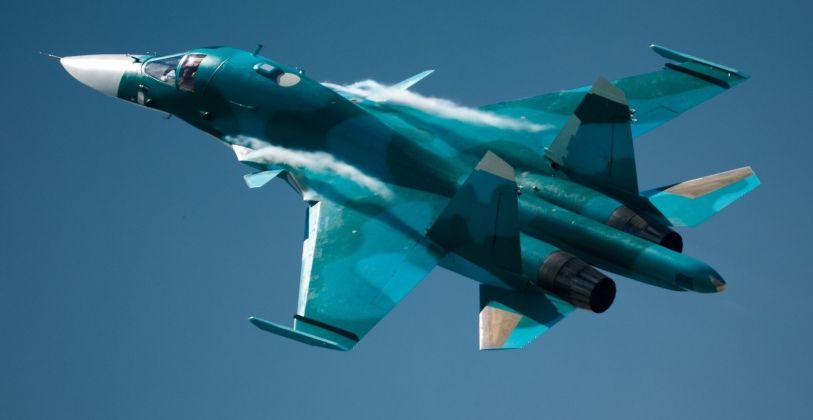
The Su-24MR is a reconnaissance variant of the Soviet-era Su-24 strike fighter, and integrates an extensive sensor suite that allows it to conduct low-level reconnaissance missions at high speed. While the Su-34 was designed to succeed the Su-24M in strike roles, its ability to conduct reconnaissance has been improved considerably to allow it to also replace the Su-24MR. The newer aircraft have integrated three variants of the Sych universal reconnaissance pod system, which can be utilised for radio-technical, radar, and optical surveillance. Over 130 Su-24MR reconnaissance aircraft were in service in 2014, the year the Su-34 entered service, with the provision of direct replacements for these older jets potentially allowing the Su-34’s production run to be extended significantly further.
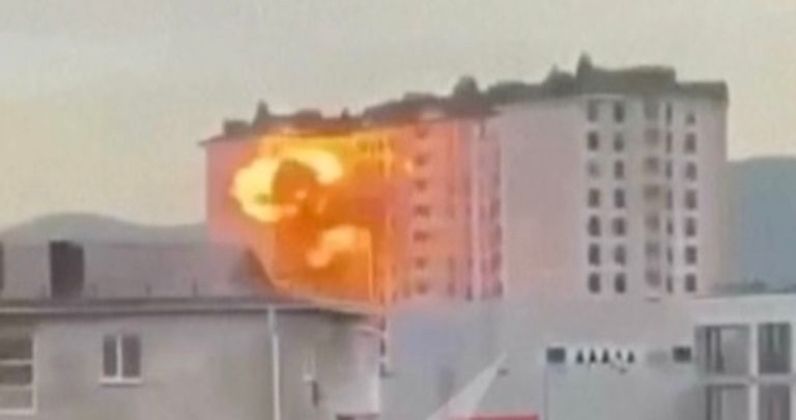
Investments in greater fortifications have been made as officials from multiple NATO member states have made calls for intensified Ukrainain strikes on Russian airfields. German Army Major General Christian Freuding, for one, stated to this effect in July 2025: “You can also indirectly affect the offensive potential of Russian strike forces before they are deployed… Use long-range air warfare assets to strike aircraft and airfields before they are used. Also, target weapons production facilities.” The acceleration of airfield fortification efforts follows a series of successful Ukrainian attacks against Russian aviation infrastructure over the past two years. Ukrainian forces have employed increasingly sophisticated combinations of long-range drones, cruise missiles, and special operations to strike airfields hundreds or even thousands of kilometres from the front lines.
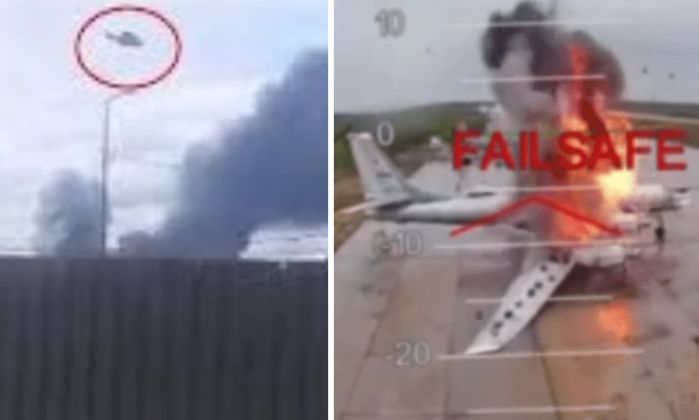
In early July satellite imagery revealed extensive construction work was underway to build numerous reinforced aircraft shelters at the Komsomolsk-on-Amur Aviation Plant and the adjacent Dzemgi Air Base, protecting Su-57, Su-35S, and Su-30SM2 fighters. Ukrainian attacks have benefitted from very extensive intelligence support from NATO member states, and have targeted strategic bombers, airborne early warning aircraft, fighters, logistics infrastructure, and maintenance facilities. Drone attacks have also intensified against a wide range of other strategic targets, including the Russian capital Moscow, resulting in significant measures being taken to fortify the city.
