
How Russia's Upcoming 'EMP Gun' Directed Energy Weapon Could Improve Its Su-57 Fighters and MiG-41 Interceptors
Military Watch Magazine Editorial Staff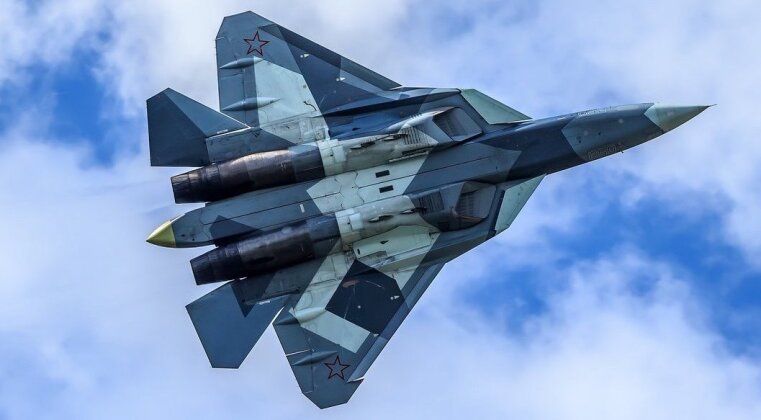
Su-57 Next Generation Fighter
Although currently in low rate initial production with limited fifth generation capabilities, Russia has invested heavily in developing its Su-57 heavyweight fighter into a sixth generation combat jet and is using existing airframes to test a range of technologies from hypersonic ballistic misses and laser weapons to artificial intelligence and remote piloting. More recently, indicators have emerged that Russia its developing a directed energy weapon which is likely intended for integration onto its new fighter - and possibly onto its MiG-41 sixth generation interceptor as well. Russian media referred in July 2020 to the testing of an “EMP cannon” - EMP being the abbreviation for an electro-magnetic pulse. The most basic means of producing such pulses is by detonating a nuclear weapon, although non-nuclear EMP weapons have been deployed by a number of countries using technologies such as microwave generator between and pulse source antennas. These tend to have much shorter ranges than nuclear EMPs, but are capable of seriously affecting all magnetic materials and leaving electrical appliances ranging from computers to fighter jets unable to operate. When powerful enough, they can damage trees, buildings and other non-magnetic targets directly.
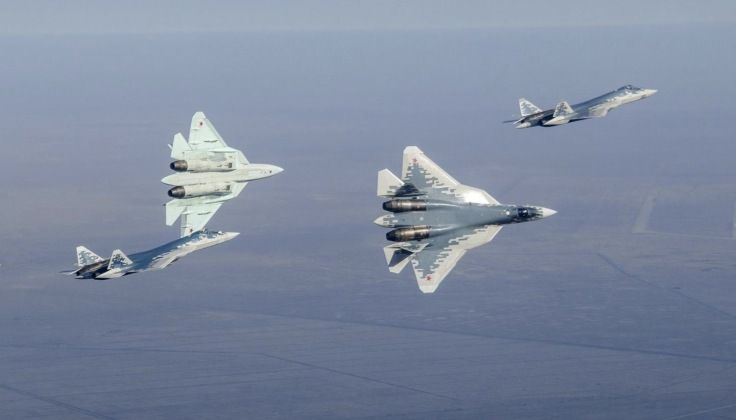
Developing a weapon which directs an energy wave similar to that of an EMP in a single direction - an EMP gun - would provide Russia with a potentially revolutionary weapon which could be used against a range of targets from aircraft to radar installations. Such weapons would be particularly useful if operated by aircraft in space such as the MiG-41, which is being designed to fly outside the atmosphere, as unlike guns or missiles energy weapons have no recoil meaning the are much easier to fire in a vacuum than missiles or guns. A less powerful EMP gun could potentially be put to use as an anti-drone weapon, with electromagnetic attacks being particularly well suited to neutralising unmanned aircraft. This could be valuable as Western powers seek to develop a new generation of pilotless fighter aircraft and move to rely more heavily on unmanned assets ranging from surface combat warships to reconnaissance jets. Depending on how cost effective Russia can make its directed energy weapons, they could be integrated onto a wide range of platforms from short ranged air defences to older fourth generation fighter jets.
