
Russia Delivers Fourth S-400 Air Defence Regiment to India After New Orders to Double Planned Arsenal
Military Watch Magazine Editorial Staff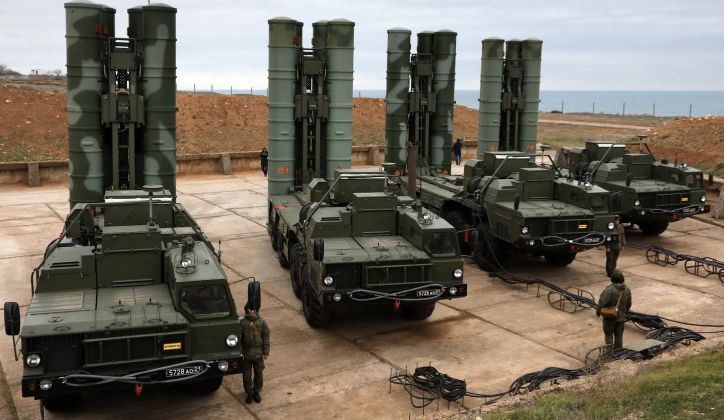
Missile Launchers From S-400 System
The Indian Air Force has received a new regiment’s worth of S-400 long-range air defence systems from Russia, with local sources reporting on the delivery noting that the service is scheduled to receive a fifth final regiment before the end of the year, marking a major milestone in a program intended to revolutionise the country’s long range air defence capabilities. Five regiments’ worth of the systems were ordered under a $5.43 billion dollar contract in October 2018, with each regiment is formed of two battalions, each of which deploys eight missile launchers and supporting radars, command centres and reloading vehicles. After the S-400 system saw its first high intensity combat test outside Russia in May 2025, with its performance against Pakistani forces that month receiving considerable praise, the Indian Defence Ministry Defence Procurement Council in March 2026 approved the purchase of an additional five regiments, bringing the total planned arsenal to 20 battalions.
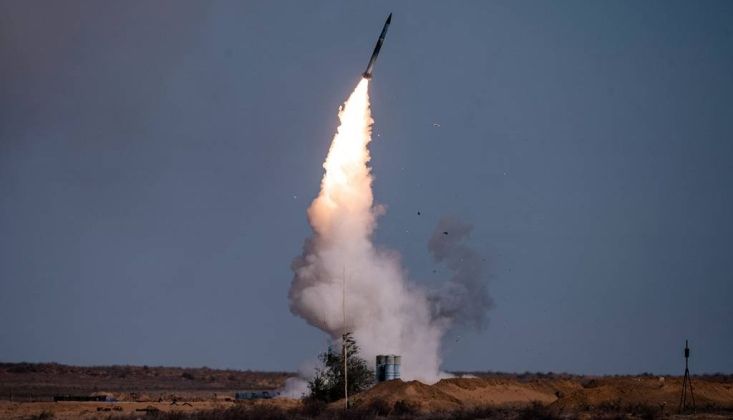
Following the disintegration of the Soviet Union, the significant decline of the Russian combat aviation industry and termination of the MiG 1.42 fifth generation fighter program left the Russian Armed Forces very heavily reliant on ground-based systems for air defence, with the Defence Ministry having invested more than twice as heavily in procuring S-400 than it has procuring all fighter types combined over the past three decades. Commenting on the S-400’s performance, CEO of the Almaz-Antey Group responsible for developing the system, Yan Novikov, in a December 2025 interview elaborated on the system’s features and combat record. He observed: "The parameters of its effectiveness have been proven in actual combat, and no foreign air defence system can rival the S-400 in its class so far.” “The enormous modernisation potential of the S-400 air defence missile system, which allows us to quickly mitigate emerging threats during the special military operation. Owing to this potential, the Triumph has acquired new capabilities and properties that are generally uncharacteristic of air defence systems,” Novikov added.
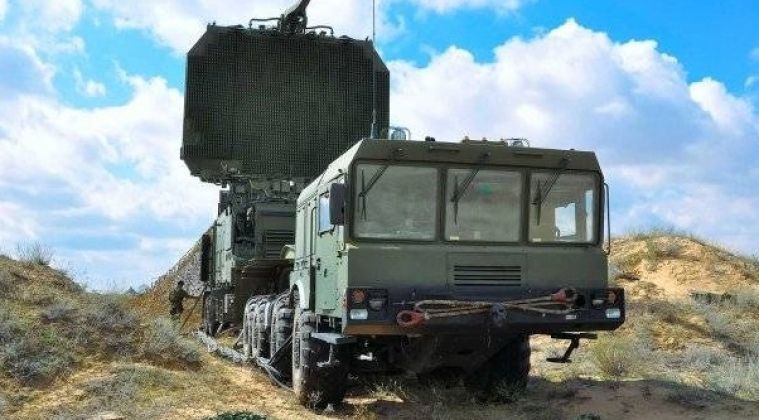
Notable features of the S-400 system include its high mobility, its extreme 400 kilometre engagement range, and its ability to shoot down very fast targets using missiles with speeds of over Mach 14, which it has used to shoot down U.S.-supplied surface-to-air missiles from the MIM-104 Patriot system in the Ukrainian theatre. The system was developed from the late 1990s specifically to respond to emerging challenges from aircraft and missiles with advanced stealth capabilities and reduced radar cross sections, and uses multiple types of radar operating in complementary wavebands to provide high levels of situational awareness including against very low observable targets. Its primary sensor, the 91N6 ‘Big Bird’ panoramic surveillance radar, has a detection range of up to 600 kilometres and can track hundreds of targets simultaneously. The more recent integration of Nebo-M multi-band 3D radar systems has further significantly improved situational awareness for S-400s in Russian service.
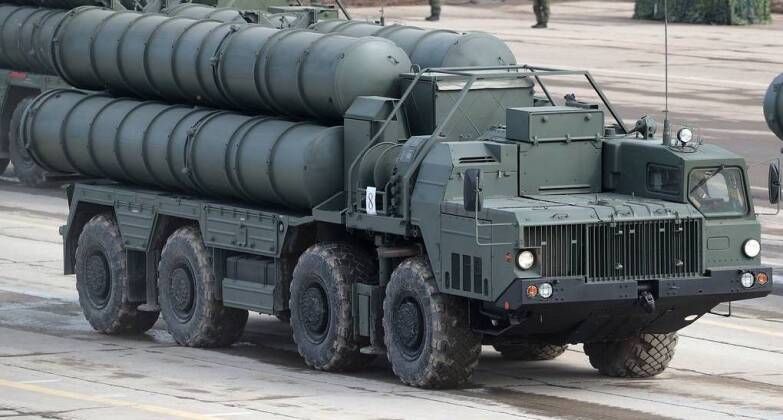
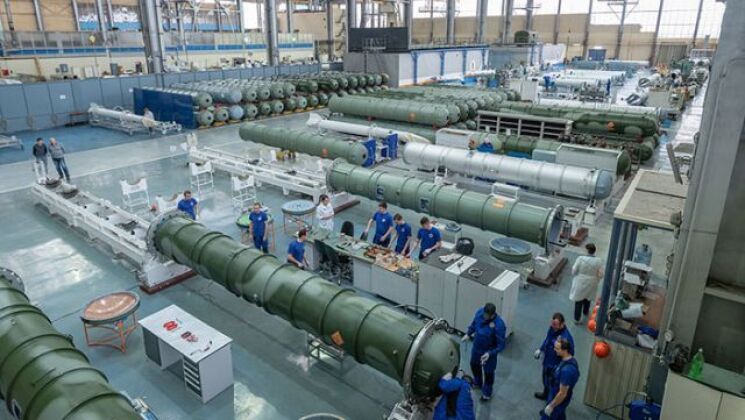
The construction of new factories and modernisation of older ones has facilitated a very large scale of production of the S-400 in Russia, allowing multiple regiments’ worth of the systems to be produced annually. The most notable facilities which received investment to support the realisation of a production surge from the mid-2010s included a new wing of the Obukhov Plant in St. Petersburg, the Avitek Plant in Kirov which was throughly modernised, and the NMP Plant in Nizhniy Novgorod. Despite the system’s high rate of production, the Russian Armed Forces’ urgent need for more S-400 battalions in the face of ongoing hostilities with Ukraine and high tensions with NATO has resulted in repeated delays to planned deliveries to equip Indian forces.
During clashes with Pakistani forces in May 2025, the Indian S-400s were credited with having shot down least five hostile fighters and one large aircraft, which was reportedly either an ELINT or an AEW&C system. The shootdown of the large high value aircraft was achieved at a 300 kilometre range, highlighting the particularly long reach of the S-400’s unique 40N6 missiles. Plans to double S-400 procurements have materialised as negotiations have also reached advanced stages both to transform the capabilities of the Su-30MKI long range fighter through extensive Russian upgrades, and to procure Su-57 fifth generation fighters. Russian government sources’ confirmation that new clients have signed contracts to procure the Su-57 have fuelled speculation that a contract for the sale to India may have already been signed.
