
Russia Begins Construction of First PAK DA Stealth Bomber Prototype
Military Watch Magazine Editorial Staff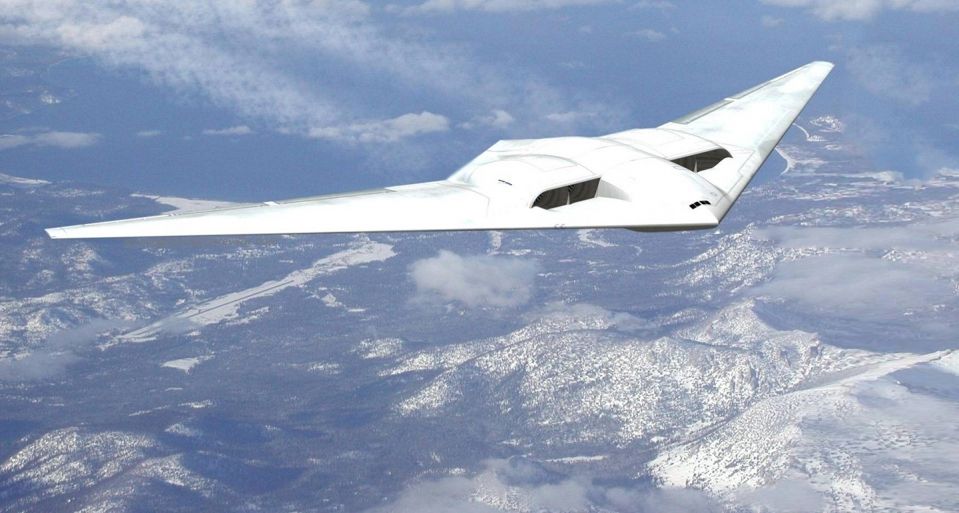
PAK DA Strategic Bomber - concept art
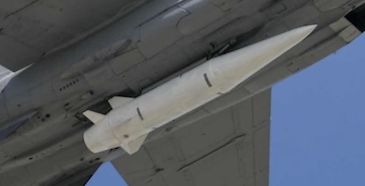
Russian media outlet TASS has reported that the country has begun construction of its first prototype PAK DA next generation strategic bomber, which is expected to be completed by the end of 2021. The bomber program is being pursued in parallel to the Tu-160M project, an advanced intercontinental range bomber capable of deploying a wide range of long range cruises missiles and surpassing Mach 2 speeds. Three PAK DA prototypes are expected to be ready for testing by April 2023, with the bomber scheduled for entry into serial production by the end of the decade. The aircraft will integrate next generation engines, sensors, stealth capabilities and weaponry. The PAK DA is expected to deploy Kh-102 nuclear tippled stealthy cruises missiles, and a number of newer hypersonic designs including derivatives of the Kh-47M2.
While Russia’s bomber fleet is currently considered to have an advantage over those of rival powers, with more advanced air launched missiles and the Tu-160 in particular having few rivals, both China and the United States are currently pursuing ambitious next generation bomber programs of their own which threaten to end the primacy of the Tu-160. These include the Chinese H-20, the program furthest along in development which is thought to have already seen its first flight, and the American B-21 Raider - the first prototype of which began construction in 2019. The B-21 is expected to be procured in massive numbers, and will compensate for many of the shortcomings of its predecessors the B-1B Lancer and B-2 Spirit with lower operational costs and maintenance requirements, greater durability and superior stealth capabilities. The American bomber is expected to face serious delays, however. The PAK DA appears to be the least far along in its development of the three programs, but due to Russia’s lead in missile technologies in particular it is likely to have at least some significant advantages over its foreign rivals. The program has also been the most secretive, with little known about it's expected capabilities or the kind of airframe it will use.
