
Responding to Russia’s Most Lethal Weapons; U.S. to Deploy Satellites to Counter Hostile Hypersonic Missiles
Military Watch Magazine Editorial Staff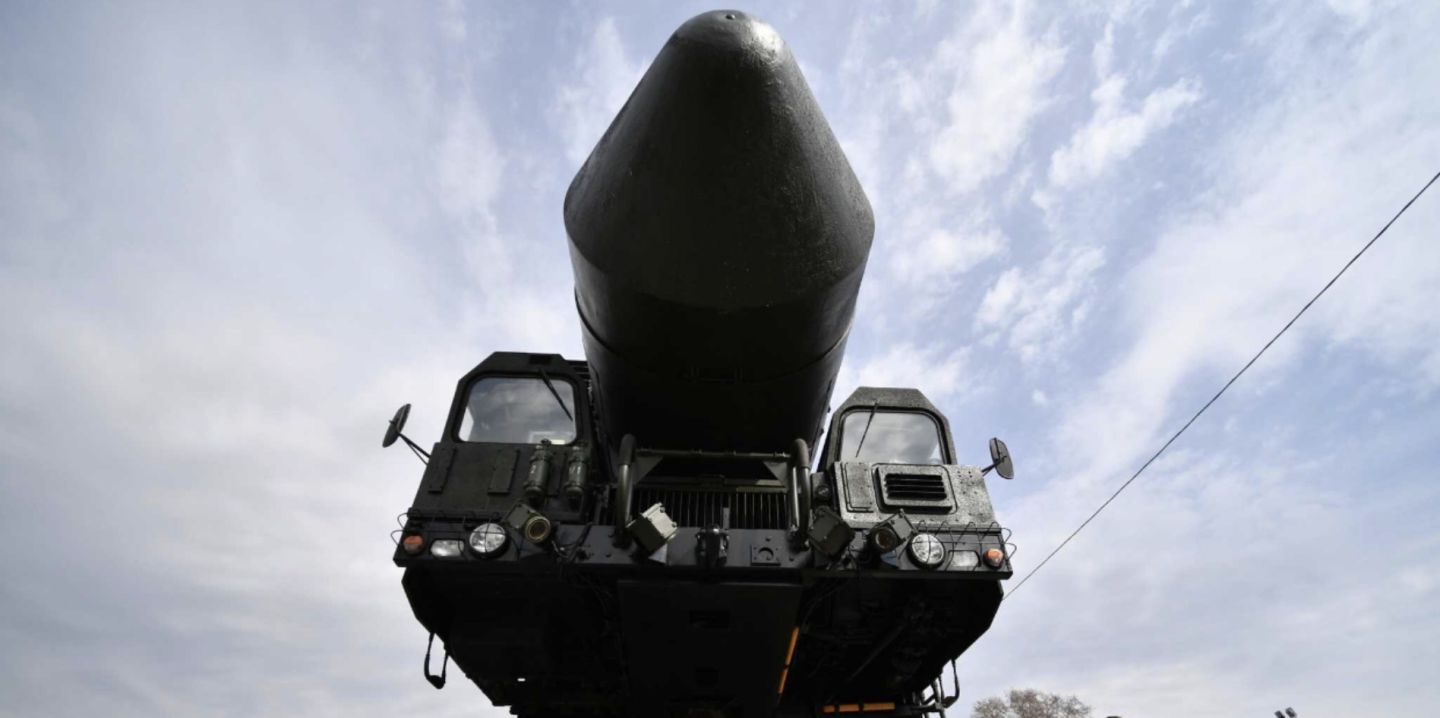
Russian ICBM (RS-24 Yars)
U.S. Undersecretary of Defence for Policy John Rood has announced recent plans by the Pentagon to deploy ‘low cost sensors’ to low Earth orbit to detect launches of hypersonic missiles by potential American adversaries. Plans to deploy these satellites were announced during the U.S. Senate Committee on Armed Services, when Undersecretary Rood was questioned regarding American responses to the deployment of hypersonic weapons by hostile powers. He failed to give details, however, regarding the nature of the deployment or how the Pentagon planned to intercept these missiles or respond to their launches once they were detected. He did, however, stated that the military was investigating potential options to “affect” the missiles during flight - possibly indicating plans for electronic attacks to drive them off course. The potential for space based interceptors has also been raised.

The potential threat posed by hypersonic weapons has been perceived as highly considerable by the United States and its Western allies since Russia unveiled a number of new missile systems in March 2018, both tactical and strategic, which demonstrated its considerable lead over all rival powers in the field. Foremost among the strategic hypersonic assets were the Avangard hypersonic glide vehicle - capable of travelling at speeds of over Mach 20 and delivering a high payload thermonuclear payload intercontinentally with high precision, and the Sarmat which is capable of annihilating an area the size of France or Texas - also at extreme speeds. These munitions are both highly manoeuvrable, which combined with their extreme speeds makes them very difficult to intercept.
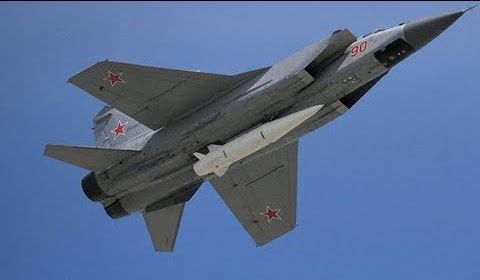
The threat posed by hypersonic missiles is particularly dire given the performance record of the U.S. air defence systems such as GMD, THAAD and the Patriot against even low speed and subsonic missiles, which has left the possibility for interception hypersonic platforms which are so much more advanced effectively nil. These missiles are also potentially lethal in a tactical role, in particular the Kh-47M2 Kinzhal which is capable of speeds of Mach 10 and can deliver both conventional and nuclear payloads against either enemy military bases or warships - the latter capability making it a potentially lethal ‘carrier killer.’ The 3M22 Zircon hypersonic cruise missile, and other Russian battlefield hypersonic missiles such as those planned for deployment from the Pantsir air defence combat vehicles, pose a lower level but still potentially game changing threat.
