
Iran War Showed the U.S. its MQ-9 Drone Fleet Can’t Last in a High Intensity War: Pentagon Seeking Low Cost Replacement
Military Watch Magazine Editorial Staff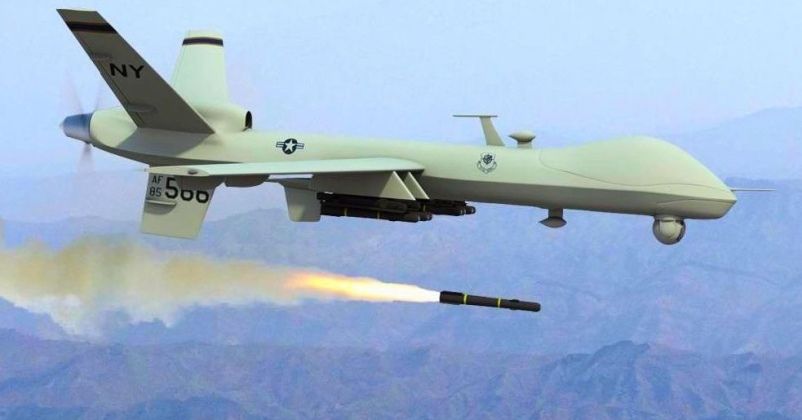
MQ-9 Reaper Drone
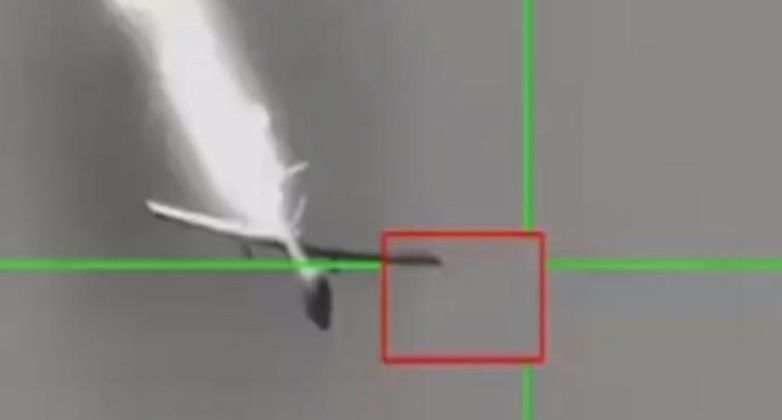
The U.S. Department of War has launched an effort to develop a new generation of inexpensive long-range unmanned aircraft capable of performing many of the missions currently assigned to the MQ-9 Reaper. The initiative follows extensive combat losses suffered by the Reaper fleet during operations against Iran, where dozens of aircraft have been shot down, prompting Pentagon planners to reassess whether large, sophisticated unmanned aircraft costing tens of millions of dollars remain economically viable for many routine intelligence, surveillance and strike missions. At least 53 Reapers have been shot down by Iranian and Yemeni Ansurullah Coalition forces since late 2023.
According to Pentagon documents, the Defense Innovation Unit (DIU) is seeking an aircraft capable of assuming many of the MQ-9's traditional roles while being sufficiently affordable to procure in far larger numbers. Rather than pursuing another highly sophisticated platform with steadily increasing costs, the new program places particular emphasis on affordability, modularity and rapid production. The MQ-9 is estimated to cost over $150 million. Officials are seeking systems that can enter service within approximately five years and can be manufactured at scale using commercial production techniques rather than relying on the highly specialised manufacturing methods traditionally associated with military aircraft.
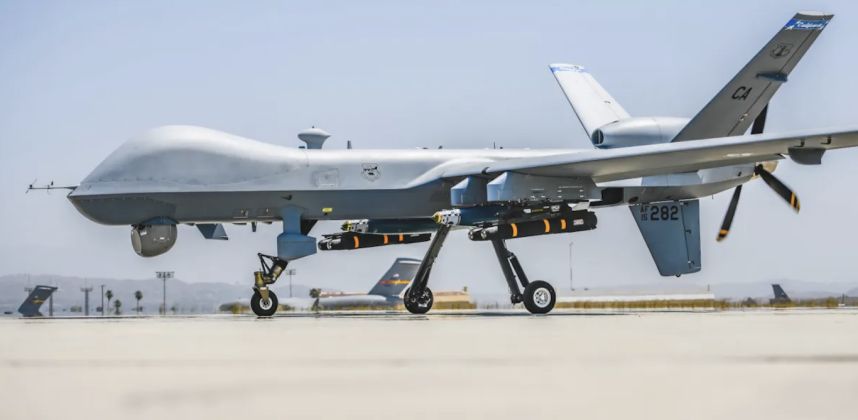
The MQ-9 is relied on for intelligence, surveillance, reconnaissance, target acquisition and precision strike missions, and forms a key part of the U.S. reconnaissance-strike complex. It has long been regarded as one of the most successful unmanned combat aircraft ever developed, and alongside its predecessor the MQ-1 Predator it transformed U.S. counterinsurgency operations by combining long endurance, advanced electro-optical and infrared sensors, satellite communications and precision-guided weapons into a single aircraft. The U.S. defence sector’s post-Cold War record of consistent major cost overruns has raised serious questions regarding the viability of developing a more cost effective aircraft.
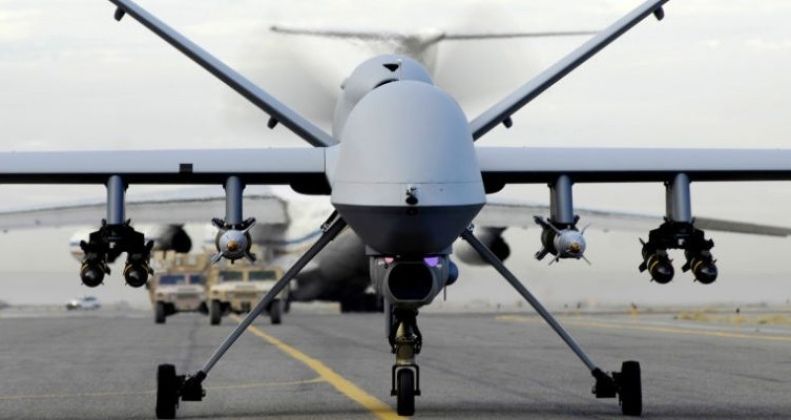
Alongside the planned development of the new unmanned aircraft, the Senate Armed Services Committee’s 2027 National Defense Authorisation Bill approved on June 11 has also directed “the Secretary of the Air Force to limit divestment and to submit a report and briefing on the MQ-9 aircraft, while directing the Air Force to increase inventory by 2028,” according to a summary provided by committee staff. Restarting procurements appears to be the only means to prevent a serious capability gap until a successor is developed, although with only the much more costly MQ-9B variant currently in production it remains uncertain whether sufficient aircraft can be procured to replenish losses.
