
Pakistan Plans Purchase of Modernised Mirage 5 Attack Jets From Egypt
Military Watch Magazine Editorial Staff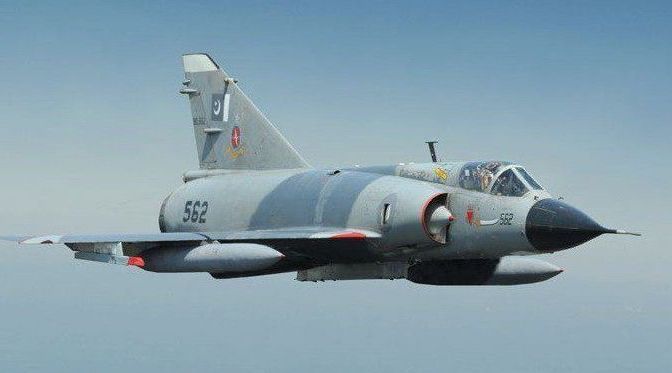
Pakistani Air Force Mirage V Attack Jet
The Pakistani Air Force has reportedly come close to concluding a contract with Egypt to acquire upgraded Mirage V attack jets, following several years of negotiations, with the South Asian state reportedly planning to indigenously upgrade these jets before deploying them alongside existing Mirage squadrons. As Egypt has moved to phase out older fighters such as the Mirage III, Mirage V, MiG-21, F-4 and even older F-16s, in favour of newer platforms such a the MiG-29M, Su-35 and Rafale, it has sought to gain benefits from delivering these jets to third parties rather than scrapping them. A number of reports also indicate that Egyptian MiG-21 fighters have been transferred to Libya under a military assistance program - although this remains unconfirmed. While Egyptian Mirage V jets are considered less capable than their counterparts in Pakistani service, the latter which have been extensively modernised, they still boast considerable improvements over the original design including helmet mounted displays, mission pods, and night fighting equipment.
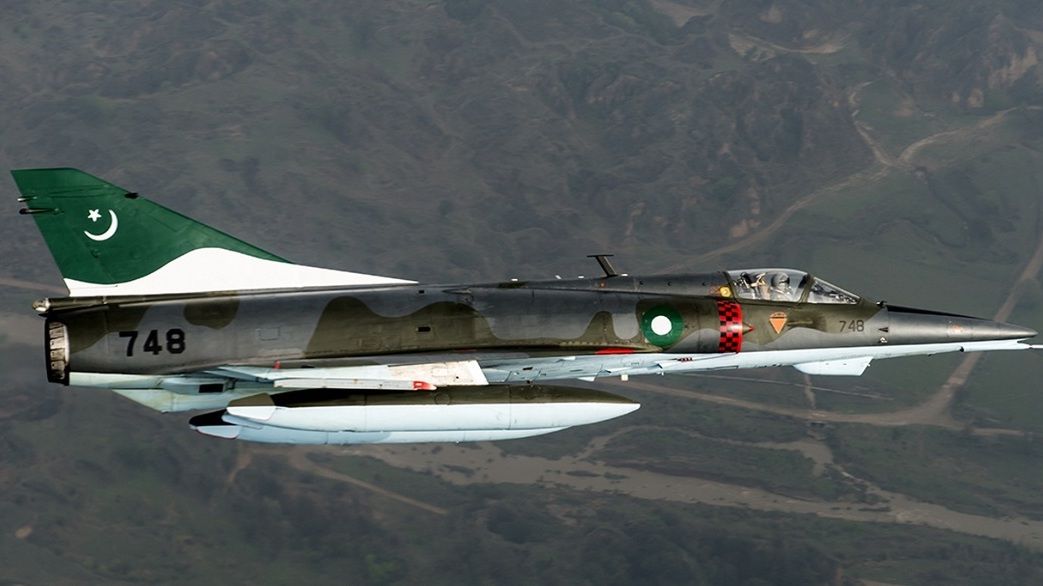
While increasingly capable variants of the JF-17 and the older F-16C and F-16A Fighting Falcon fighter jets form the elite of the Pakistani Air Force, approximately half of the country’s fighter fleet is comprised of ageing Mirage III fighters and Mirage IV attack jets. The two platforms are derivatives of the same French design which dates back to the late 1950s, and both have been extensively modernised by Pakistan’s Kamra Aeronautical Complex. While Pakistan’s Mirage fighters alongside its fleet of J-7 jets are set to be phased out of service in favour of more JF-17 fighters and future Sino-Pakistani jets such as the Project AZM stealth fighter, a significant portion of the fleet will likely see service into the 2030s. Egypt for its part is reportedly planning to acquire the JF-17 Block 3 fighter jointly developed by China and Pakistan, with the platform’s low operational costs and access to high end munitions highly prized as a cost effective means of modernising the country’s fighter fleet.
