
Egypt Loses Rafale Fighter Worth Over $200 Million - Pilot Dead
Military Watch Magazine Editorial Staff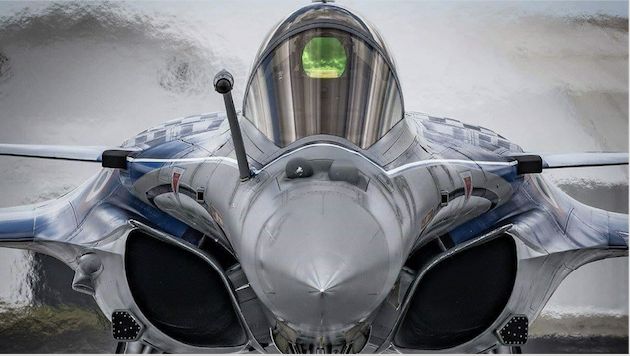
Dassault Rafale Twin Engine Medium Fighter
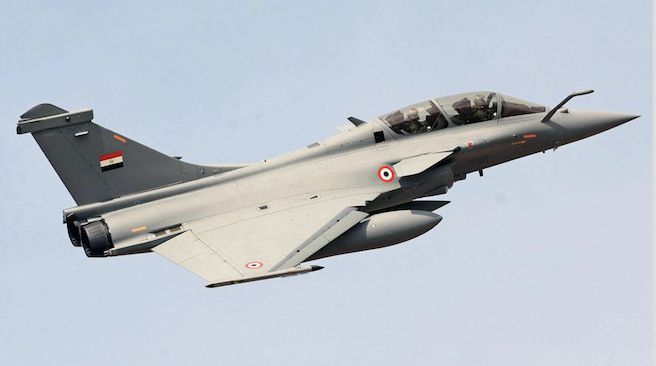
The Egyptian Air Force has reportedly lost a Dassault Rafale twin engine medium weight fighter in an accident which claimed the life of the pilot. The service purchased 24 of the ‘4+ generation’ combat jets from France under a U.S. $5.9 billion, which also included the costs of armaments and pilot training. The fighters represented the first combat jets on the African continent equipped with next generation active electronically scanned array (AESA) radars, and were considered a major upgrade over the F-16 Fighting Falcons and Mirage 2000 single engine lightweight jets which previously comprised the bulk of the country's fleet. The acquisition of the Rafale was nevertheless considered highly controversial, particularly in light of the opportunity costs and perceived superior cost effectiveness of rival fighter platforms - as the French built aircraft came to over $240 million per aircraft. Neighbouring Israel for example was able to acquire F-15I air superiority fighters from the United States at under half the price of the Rafale - with the American manufactured jets fielding capabilities which are across the spectrum considerably superior to those of the French made aircraft. Israeli F-35A and F-35I jets, while more costly to maintain than the Rafale, were also acquired at around half the price and integrated unique next generation stealth capabilities. The efficiency of the American defence sector relative to its European counterparts, and the far larger scale on which it produces combat aircraft, were largely responsible for this.
The Su-30MKA air superiority fighters of the neighbouring Algerian Air Force, which also considerably surpass the Rafale in most of their capabilities and come at a small fraction of the cost, have provided further cause to question Cairo’s decision to acquire the French fighters. The Russian built fighters' operational altitude is approximately 30% higher, their speed 25% faster and their range, manoeuvrability and weapons payload all considerably greater among other major advantages - again bringing the cause of the Rafale acquisition to serious question. With Egypt restricted in its purchases of advanced munitions such as Scalp cruise missiles to be deployed by the Rafale, the value of these fighters as an addition to the Air Force's warfighting capability is further reduced. This had led to much speculation that the Rafale was acquired at least in part for political purposes rather than for its value as a military asset - namely to curb European hostility towards the new government in Cairo which came to power from 2013.
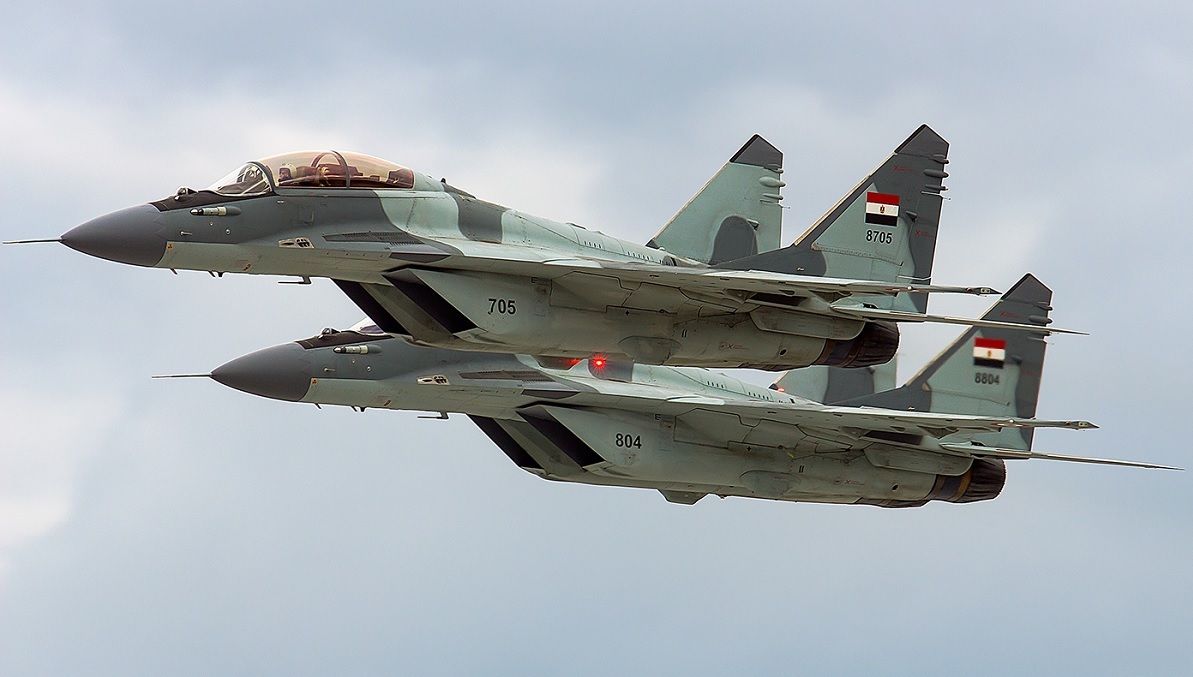
The loss of the Rafale somewhat undermines the reputation of the French fighter, which is marketed for its reliability, ease of operation and low operational costs. Egypt is reportedly considering a followup acquisition of 12 more of the twin engine fighters, though the loss of a fighter is likely to affect prospects for such a deal. The Egyptian Air Force has also placed orders for Russian MiG-29M fighters in parallel to its acquisition of the Rafale, and is reportedly considering JF-17 Block 3 and MiG-35 fighters to further enlarge its combat fleet. With the MiG-35 deploying similar capabilities to the Rafale, but coming at a small fraction of the cost and with a number of advanced capabilities the French jets lack, the Air Force may be more likely to consider this platform as an alternative. With the U.S. maintaining a longstanding policy of denying Egypt high end combat jets such as the F-35 and F-15E, Cairo will likely turn to Russia should it seek a new high end platform - either a medium weight fighter such as the MiG-35 or a heavier and more specialised aircraft such as the Su-30.
