
Over 80 American Aircraft Destroyed or Damaged in War with Iran
Military Watch Magazine Editorial Staff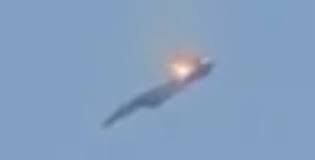
U.S. Air Force F-15E Crashing Near the Kuwaiti-Iraqi Border After Shootdown
A report by the U.S. Congressional Research Service (CRS) has identified at least 81 American military aircraft reportedly lost or damaged during the American-led war effort against Iran since February 28. This includes 12 F-15E Strike Eagle fighters, seven KC-135 Stratotanker aerial refuelling aircraft and at least 45 MQ-9 Reaper drones. The report draws on media accounts, statements from the Department of Defense and U.S. Central Command (CENTCOM), and findings published by the Pentagon’s Inspector General. It provides an expanded accounting of the damage sustained by American aviation during the conflict, although the CRS cautions that its figures remain subject to revision and that some damaged aircraft may already have returned to service.
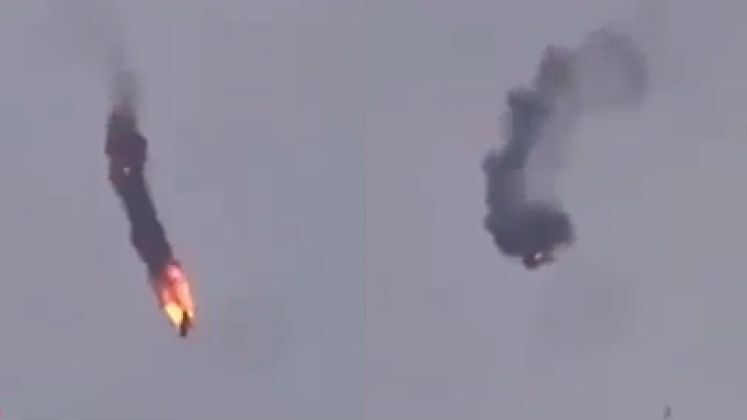
The reports stressed that uncertainties surrounding classified incidents, continuing military operations and the attribution of individual losses could affect the final tally. An earlier version of the report, published in May, listed 42 aircraft, with the increase reflecting the incorporation of additional incidents and new information rather than necessarily representing losses sustained entirely since that earlier assessment. The F-15E Strike Eagle accounts for 12 aircraft in the report. Three were destroyed over Kuwait on March 2, with Iraqi militias reported to have shot it down, while U.S. reports first indicated Kuwaiti Patriot air defences, and then a Kuwaiti F-18, were responsible as part of a friendly fire incident. Another was shot down over Iran on April 5. The remaining eight sustained damage during an Iranian strike on Muwaffaq Salti Air Base in Jordan on September 9–10.
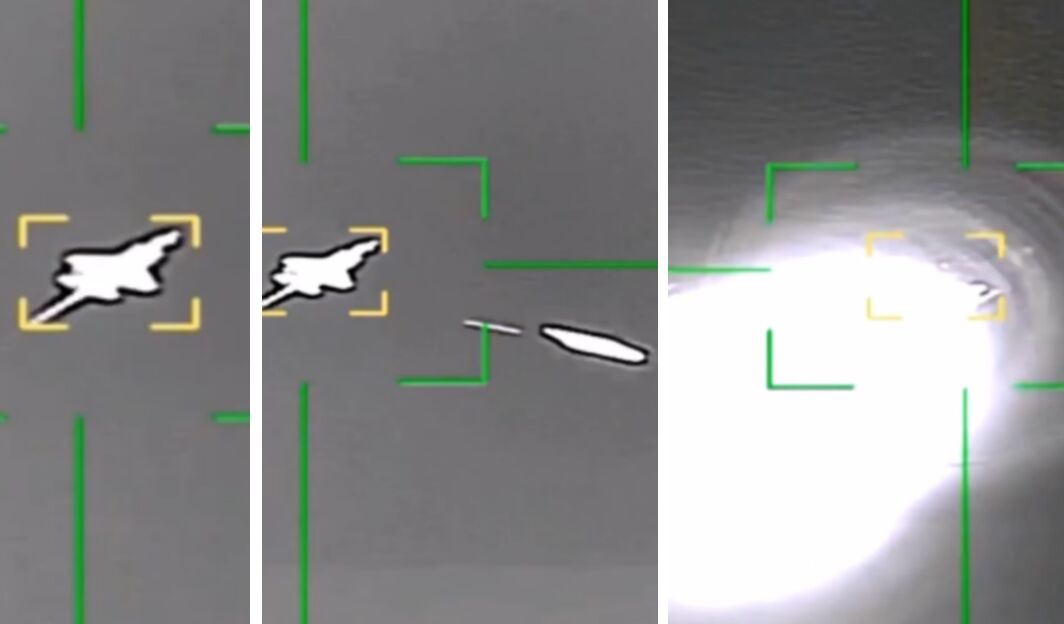
U.S. aircraft suffered their highest rate of combat losses following the shootdown of a U.S. Air Force F-15E Strike Eagle long range fighter over Iranian territory in early April. U.S. efforts to recover the two airmen that ejected and parachuted into Iran resulted in losses of nine more U.S. aircraft and one Israeli aircraft. These included HC-130J Combat King II personnel recovery support aircraft, HH-60W combat rescue helicopters, UH-60 Black Hawk transport helicopters, an A-10 attack jet and an MQ-9 drone. Iranian air defences had preceding this achieved the first ever confirmed missile hit on a flying fifth generation fighter, a U.S. Air Force F-35A, on March 19, which damaged the aircraft sufficiently to cause shrapnel wounds to the pilot. It remains uncertain whether the aircraft was considered damaged or destroyed.
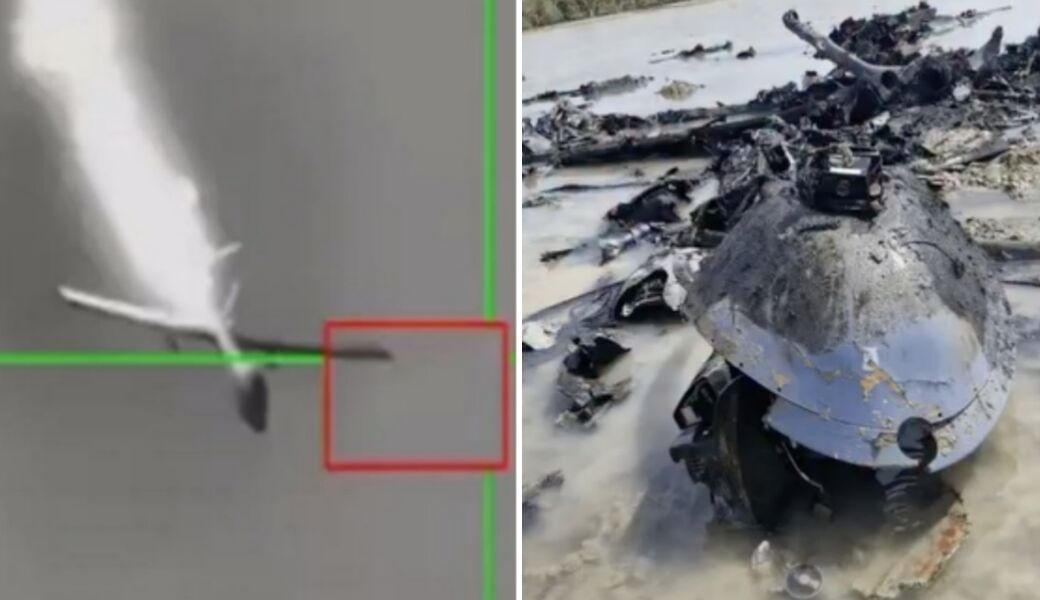
Unmanned aircraft account for the largest share of the total. The CRS lists at least 45 MQ-9 Reaper drones, three MQ-1 unmanned aircraft and one MQ-4C Triton. The Triton is by some estimates the highest value aircraft destroyed, with each costing over $200 million. The concentration of losses among unmanned aircraft reflects their extensive use in surveillance and operational missions, including in the case of the MQ-9 for higher risk operations. The extreme levels of attrition the fleet has suffered has raised serious questions regarding the U.S. Armed Forces’ ability to sustain a higher intensity war effort. Despite the considerable cost of the aircraft damaged and destroyed, other parts of the war effort have been far more costly, most notably the costs of replacing expended missiles, including both anti-ballistic missile interceptors, and cruise and ballistic missiles.
