North Korea Overtakes U.S. with Three Shipyards Producing Destroyers
Military Watch Magazine Editorial Staff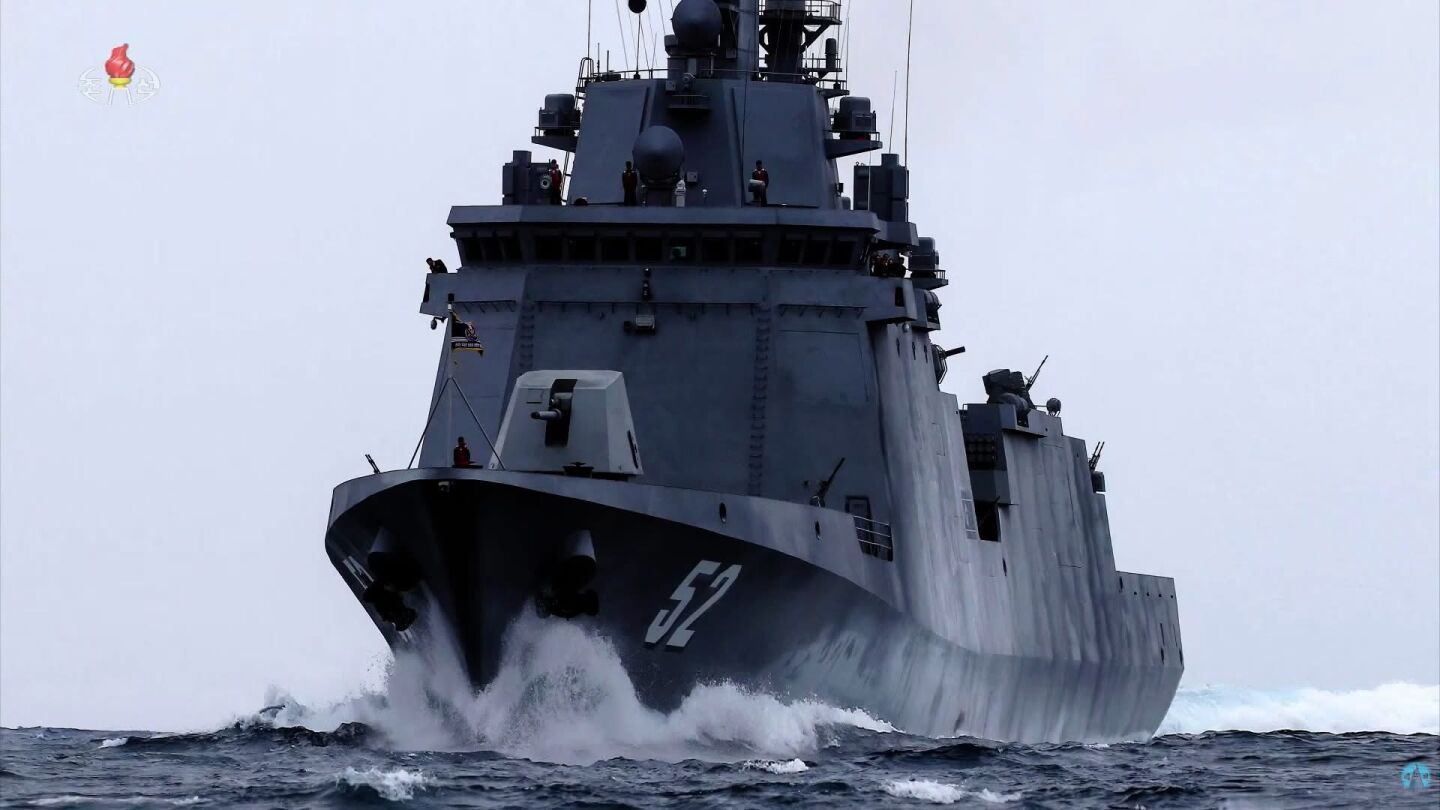
Second North Korean Choe Hyon Class Destroyer Kang Kon
North Korea has expanded its large surface combat ship construction program to involve three shipyards, with more facilities participating in destroyer construction than the United States, which relies on two principal shipyards to build its Arleigh Burke class destroyers. Satellite imagery published in November 2026 indicates that Nampho, Chongjin and Rajin are all involved in North Korea’s expanding naval shipbuilding effort, including a new class of 10,000 ton destroyer larger than the Arleigh Burke class. It remains uncertain whether North Korea now has three independent destroyer production lines, or whether facilitate at Rajin are only being used to assemble large prefabricated sections manufactured at Chongjin.
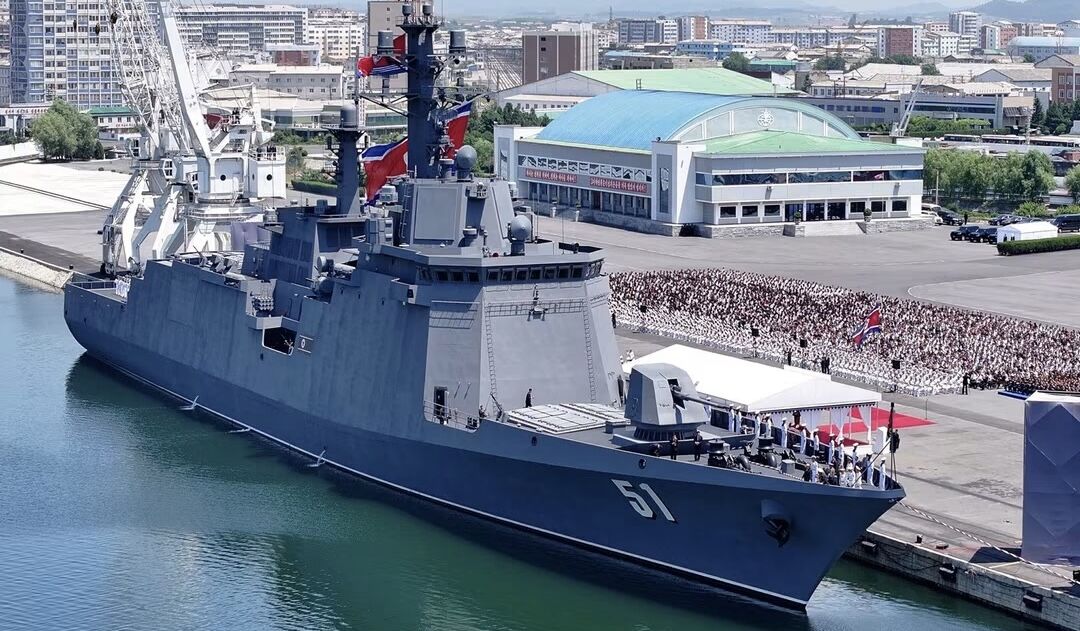
North Korean government sources have repeatedly confirmed plans for the construction of two destroyers each year over the next five years as part of a naval expansion program, with this first having been achieved in 2025 with the launch of the country’s first two 5,000 ton Choe Hyon class destroyers. This rate of construction places the country’s shipbuilding industry ahead of that of the United States, which has averaged an output of 1.6 destroyers annually, in a distant second place behind China which has produced 6-10 destroyers per year. Although the contraction in U.S. production of surface warships has taken place much more slowly than the contraction of civilian shipbuilding over the past 35 years, the fall in the number of surface combat ships, and in the total tonnage launched per year has nevertheless been tremendous.
Nampho Shipyard, on North Korea’s west coast, remains the most established centre of North Korea’s new large-warship program. It constructed the lead Choe Hyon class destroyer, and has since been undergoing expansion as the Navy seeks to increase its capacity to build larger vessels. On November 2, 2026, chairman of the ruling Korean Workers’ Party Kim Jong Un visited Nampho to inspect a new warship under construction, which described by North Korean state media as substantially larger than the destroyer completed the previous year. Images released from the visit showed a large hull under construction, with external analysts assessing that the vessel could displace approximately 10,000 tons.
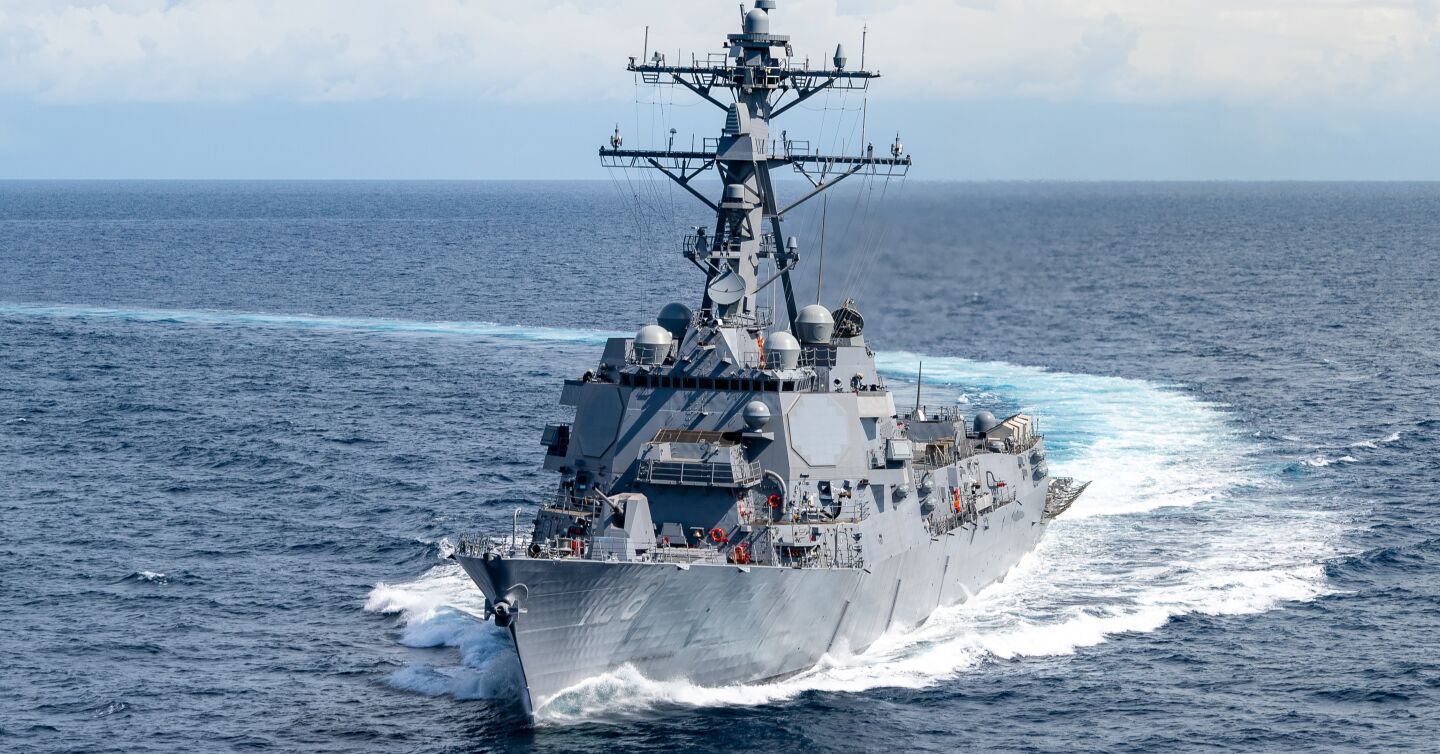
The U.S. Navy’s Arleigh Burke class destroyers are built principally at two shipyards: Bath Iron Works in Maine and Ingalls Shipbuilding in Mississippi. Both have extensive experience constructing sophisticated guided-missile destroyers equipped with the Aegis combat system, advanced radars and vertical-launch systems. In May 2026, Bath Iron Works began fabrication of the future USS Thomas G. Kelley, the 48th Arleigh Burke class destroyer built at the facility. Ingalls, meanwhile, delivered the destroyer USS Ted Stevens in December 2025 and reported several additional Flight III destroyers under construction or moving through preparatory stages. The Arleigh Burke class integrates 96 vertical launch cells, which is relatively limited for its 9,600 ton size, with North Korean ships of a similar size are expected to be far more heavily armed.
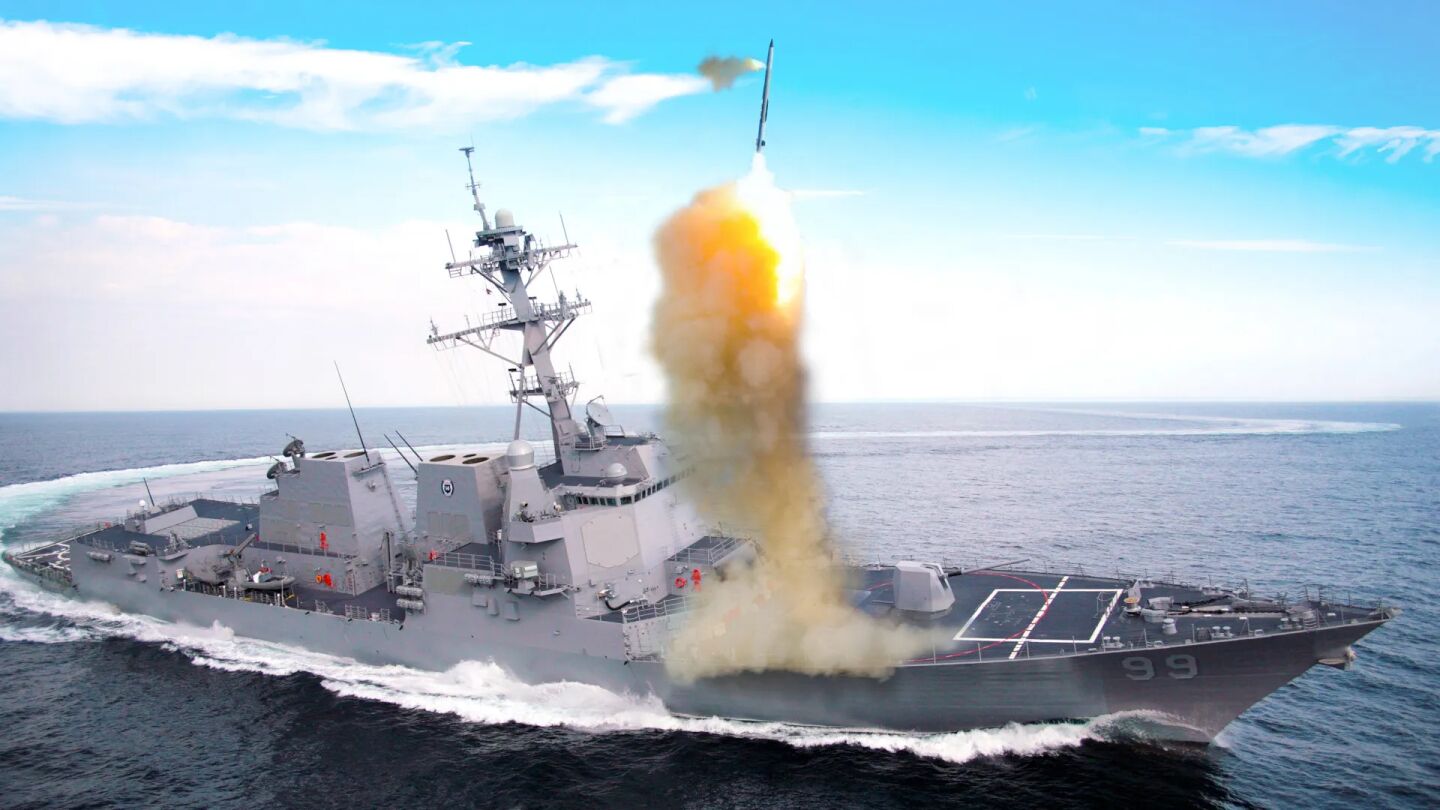
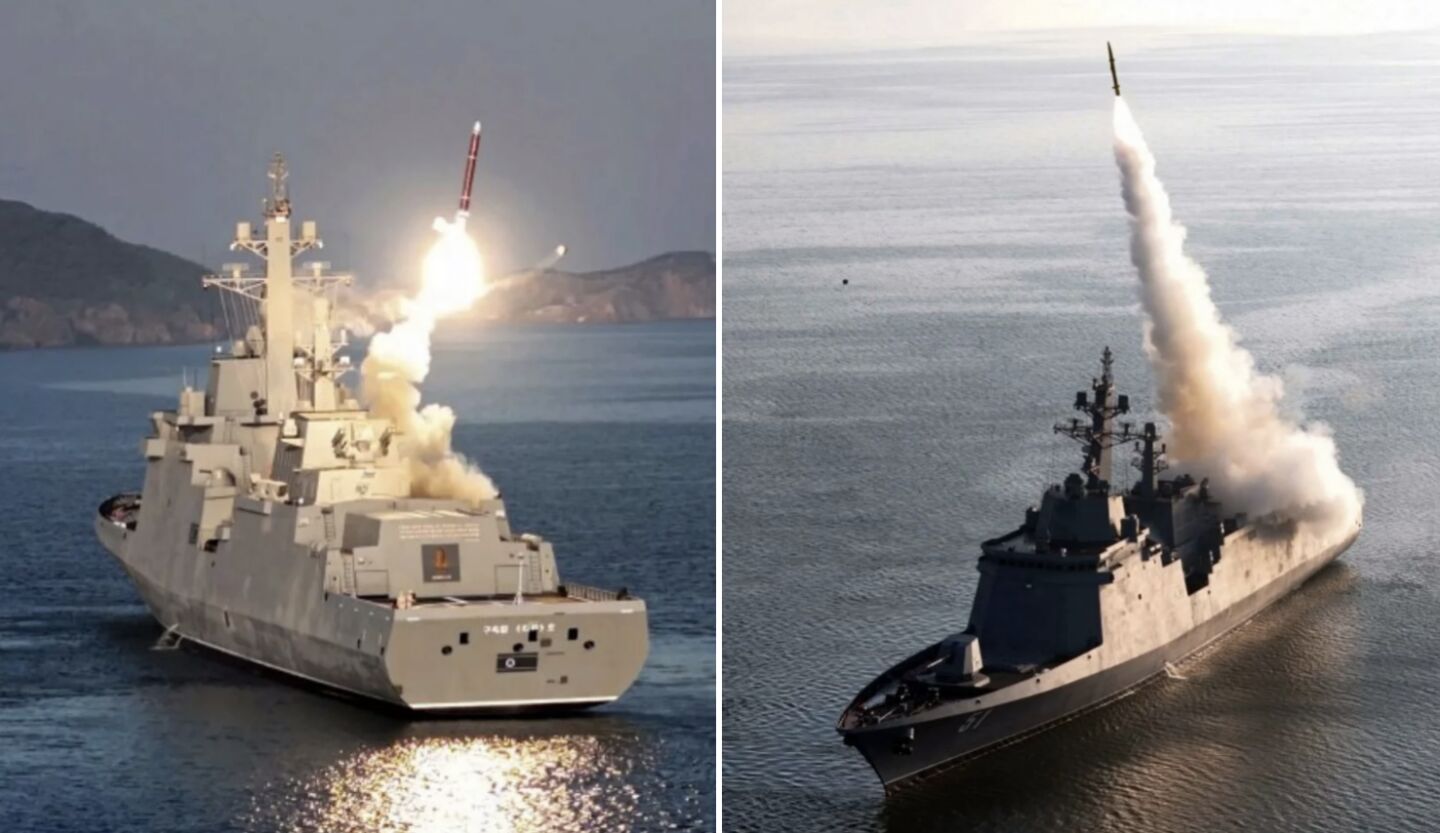
North Korean destroyers are expected to remain more constrained than Arleigh Burke class ships in their anti-ballistic missile and long range ground attack capabilities, which are the primary roles for which the U.S. warships were designed. Arleigh Burke class destroyers integrate SM-2, SM-3, and SM-6 anti-ballistic missiles to provide a multi-layered defensive capability, with their fourth primary armament being the Tomahawk cruise missile. Choe Hyon class destroyers, by contrast, are thought to integrate a navalised derivative of the Pyongae-6 long range air defence system which is less specialised in missile defence. North Korean destroyers are expected to be significantly more capable in anti-shipping roles, however, due to the integration of hypersonic cruise missiles. North Korea and the U.S. are two of very few countries that are expected to integrate nuclear-tipped cruise missiles onto their destroyers in the 2030s.