
New Forward Deployment of U.S. Army Abrams Tanks Increases Pressure on Russia’s Defences
Military Watch Magazine Editorial Staff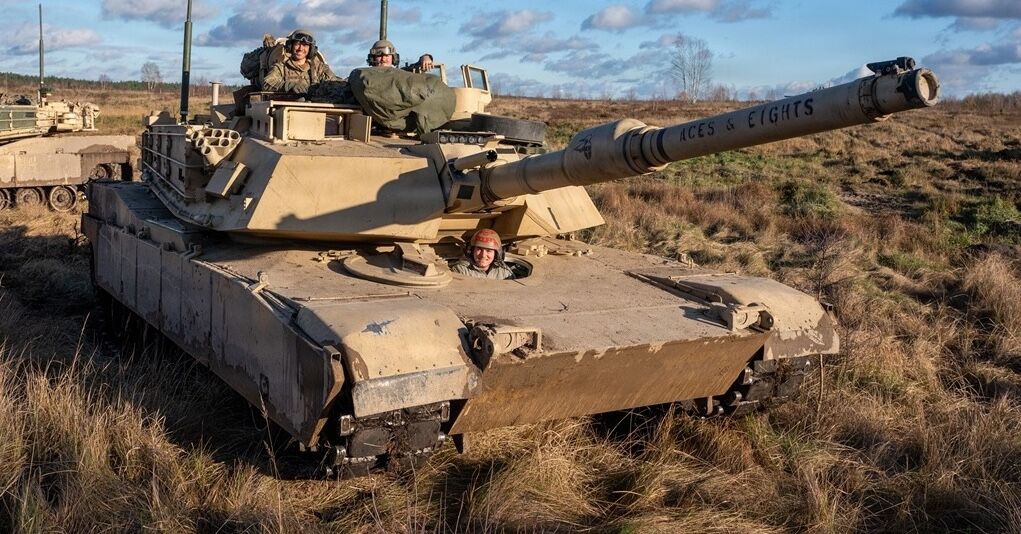
U.S. Army Abrams Tanks Train in Poland
The United States Army deploying M1A2 Abrams main battle tanks to Lithuania, restoring their presence alongside 1,000 personnel, including those in an advanced forward deployed engineer battalion. Lithuanian Defence Minister Robertas Kaunas said preparations and logistical arrangements were already underway, with the two battalions expected to remain in the country for approximately nine months. The previous American armoured force departed Lithuania in June without an immediate replacement, as Washington conducted a broader review of the distribution of American forces in Europe and announced reductions from some European deployments. The return of Abrams tanks to Lithuania thus indicates that retaining a forward armoured presence on Russia’s borders north of Poland continues to be valued.
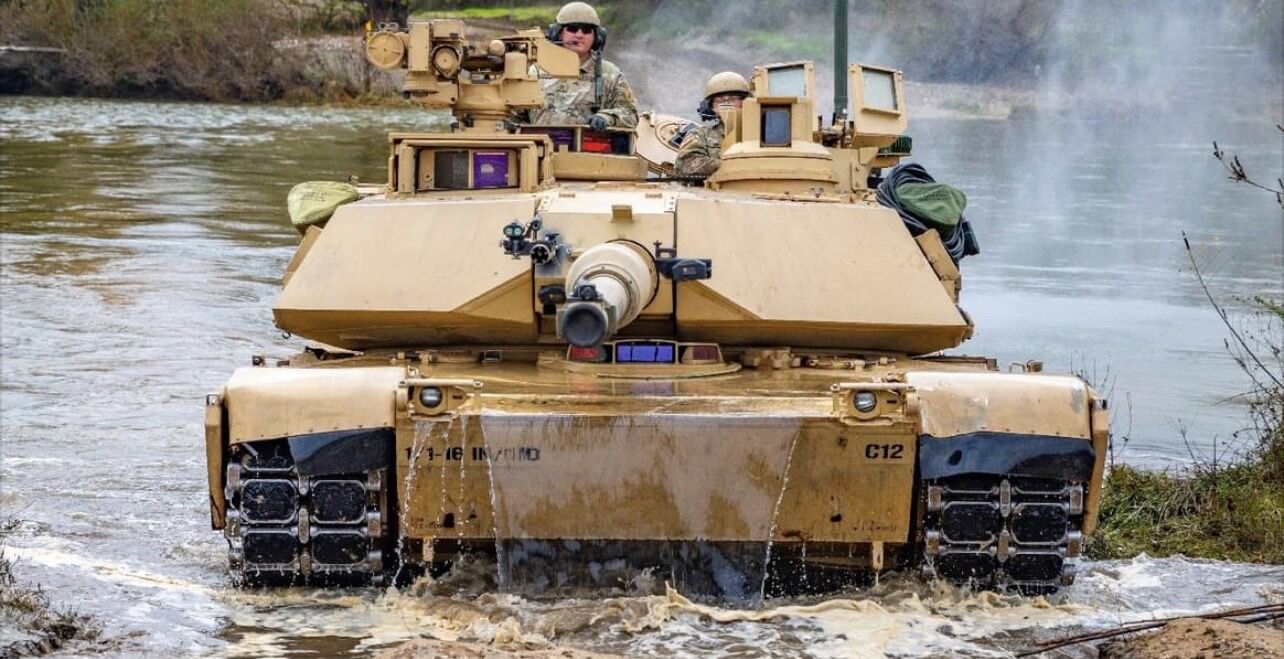
The Abrams tanks also give the deployment a substantially different character from a light infantry or headquarters presence. A heavy armoured battalion brings protected firepower capable of operating alongside mechanised infantry and artillery, while engineers provide the ability to construct and modify defensive positions and overcome obstacles. Together, these capabilities are intended to allow the force to train for and if necessary conduct high-intensity ground warfare rather than merely performing routine security duties. Lithuania borders both Belarus and Russia’s Kaliningrad exclave, placing it on NATO’s northeastern flank, while connecting with Poland to the south where American armour is also deployed.
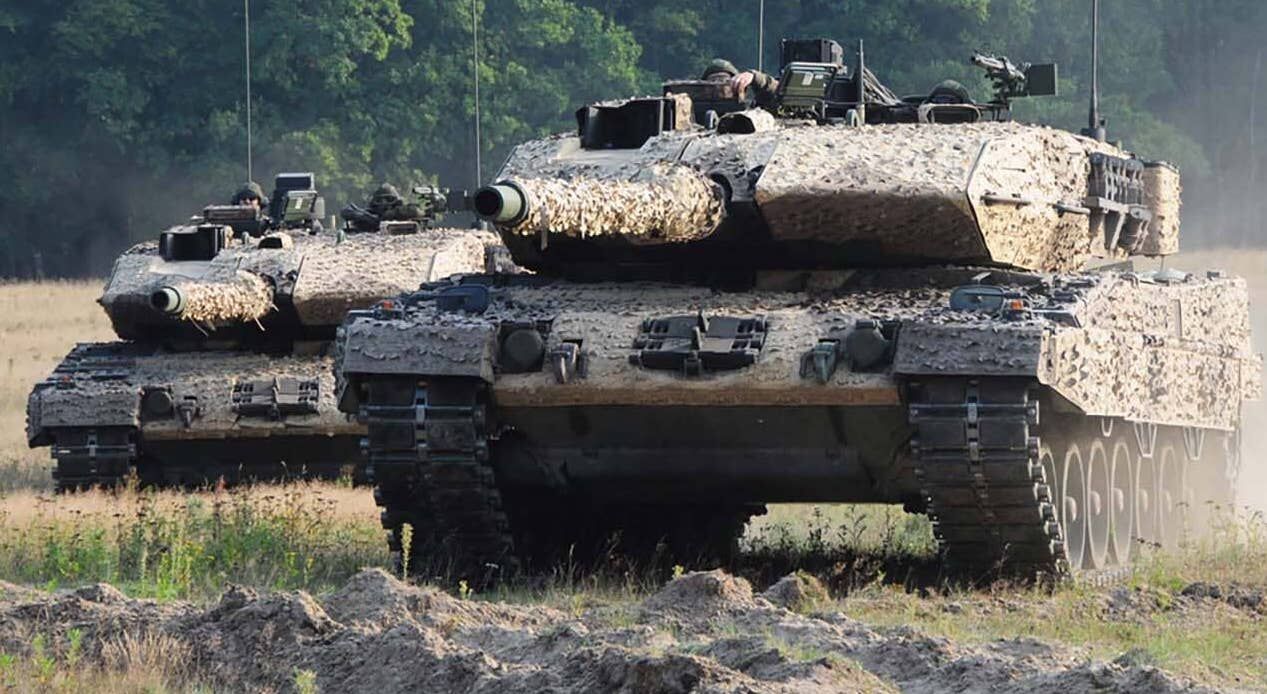
The United States has been far from isolated in deploying some of its most capable armour in the Baltic region. The German Army on May 22, 2025, inaugurated the 45th Armoured Brigade stationed in Vilnius, Lithuania, which is expected to provide an elite forward deployed mechanised warfare capability on the territory of the former USSR. Located just 150 kilometres from the Belarusian capital Minsk, and less than 800 kilometres from Moscow, the large presence of NATO tanks on former Soviet territory has highlighted the extent to which Moscow’s strategic position has declined since the end of the Cold War. Although Russia was expected to leapfrog Western tank technologies with the T-14 program, which would have helped to counter the growing forces near its borders, the program’s failure has left it potentially much more vulnerable to being overwhelmed in a ground war with NATO.
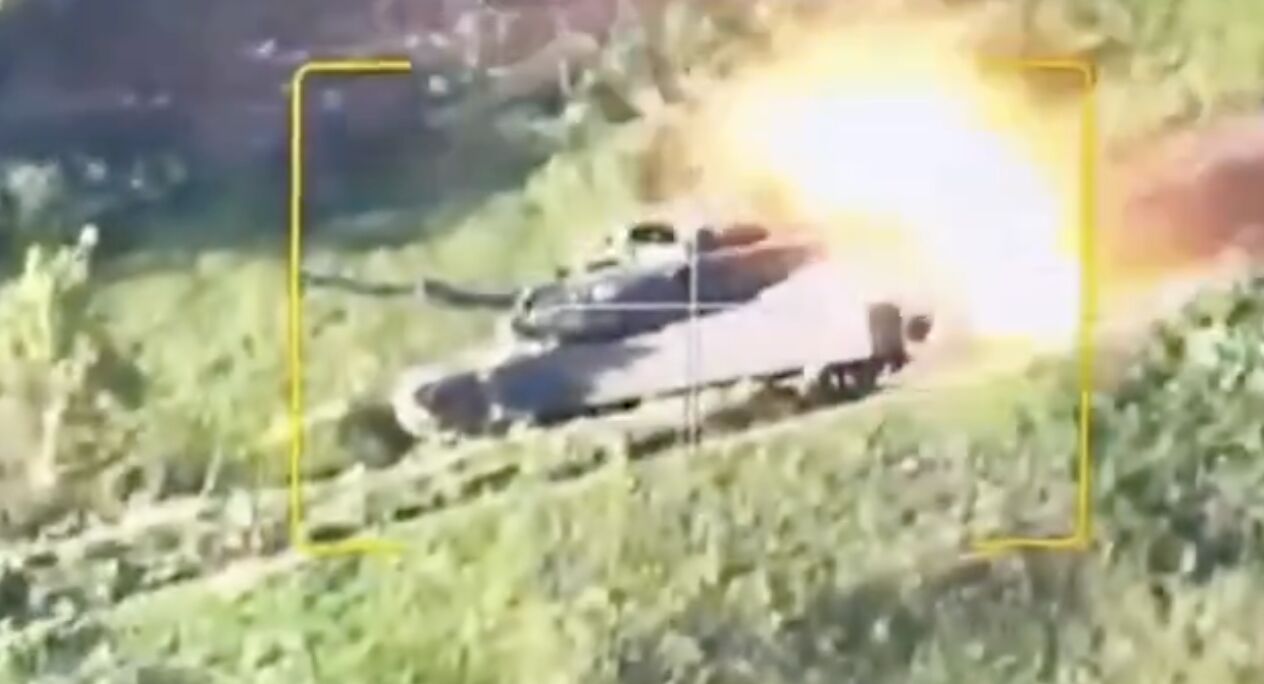
Significant questions have been raised regarding the viability of the Abrams tank in modern warfare, with the obsolescence of conventional Western tank designs seen in the Ukrainian theatre having been a primary factor prompting the radical redesign of the Abrams under the M1E3 program. By early June 2025 the Ukrainian Army was assessed to have lost 87 percent of the its Abrams tanks, with 27 of the 31 delivered having been destroyed or captured, despite prior Western expectations that the vehicles could represent a game changer in the theatre. In September it was confirmed that the Ukrainain Army has been forced to continue to operate its Abrams tanks far from the frontlines, as the vehicles have proven highly vulnerable to Russian strikes.
