
U.S. Army Unit Abandons Abrams Tank for Lighter Vehicles After Ukraine War Exposes Weaknesses
Military Watch Magazine Editorial Staff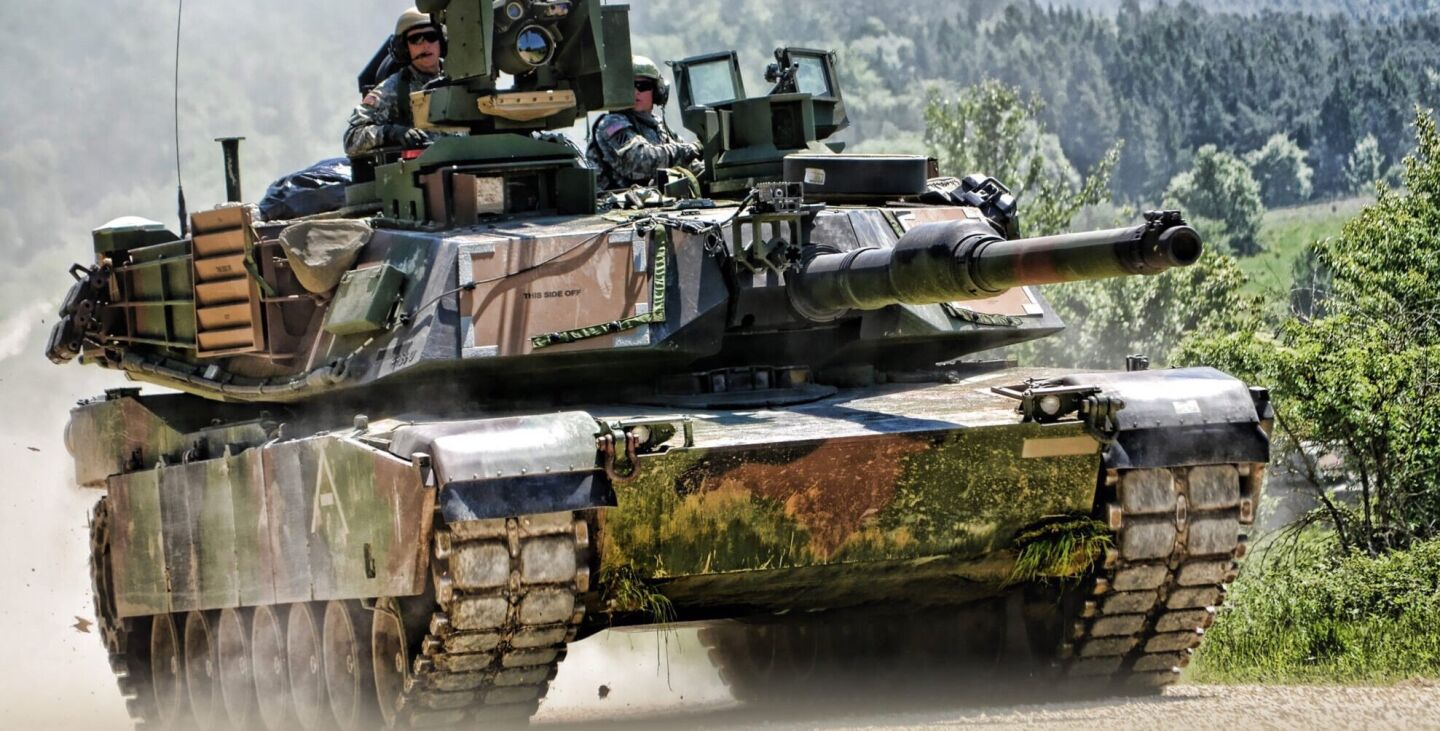
U.S. Army M1A2 Abrams Tank
The U.S. Army is converting an Oregon Army National Guard armoured battalion equipped with M1A2 Abrams tanks into a lighter mobile infantry formation, reflecting a broader effort to increase battlefield mobility and survivability in an era increasingly shaped by drones, long-range fires and dispersed operations. The 3rd Battalion, 116th Cavalry Regiment has been redesignated as the 2nd Battalion, 186th Infantry Regiment, becoming Oregon's first mobile infantry battalion. The restructuring removes the unit from its previous role as a heavy armoured formation, and moves it toward a force built around Infantry Squad Vehicles (ISVs), unmanned systems and dispersed operations.
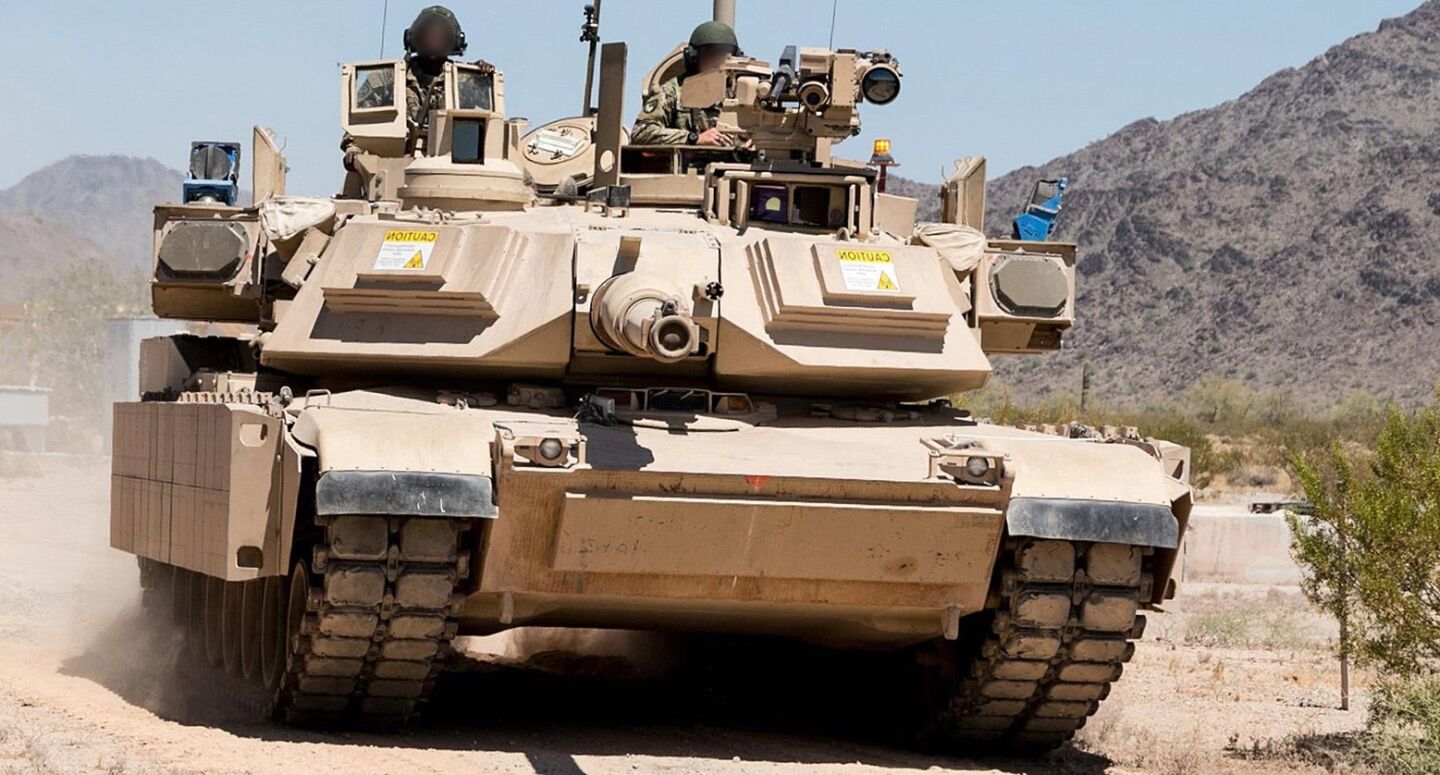
The battalion’s transition forms part of the Army's wider development of Mobile Brigade Combat Teams, which are intended to provide infantry formations with substantially greater tactical mobility without the weight and logistical burden associated with heavy armoured vehicles. This in turn mirrors the Marine Corps’ total abandonment of its main battle tanks to shift its doctrine in a similar direction. The role of main battle tanks has increasingly been called to question, with the practicality of operating them in the Pacific theatre being limited. Observations of the Abrams’ vulnerability in the Ukrainian theatre have reinforced assessments that the Army must quickly reduce its reliance on the vehicles.
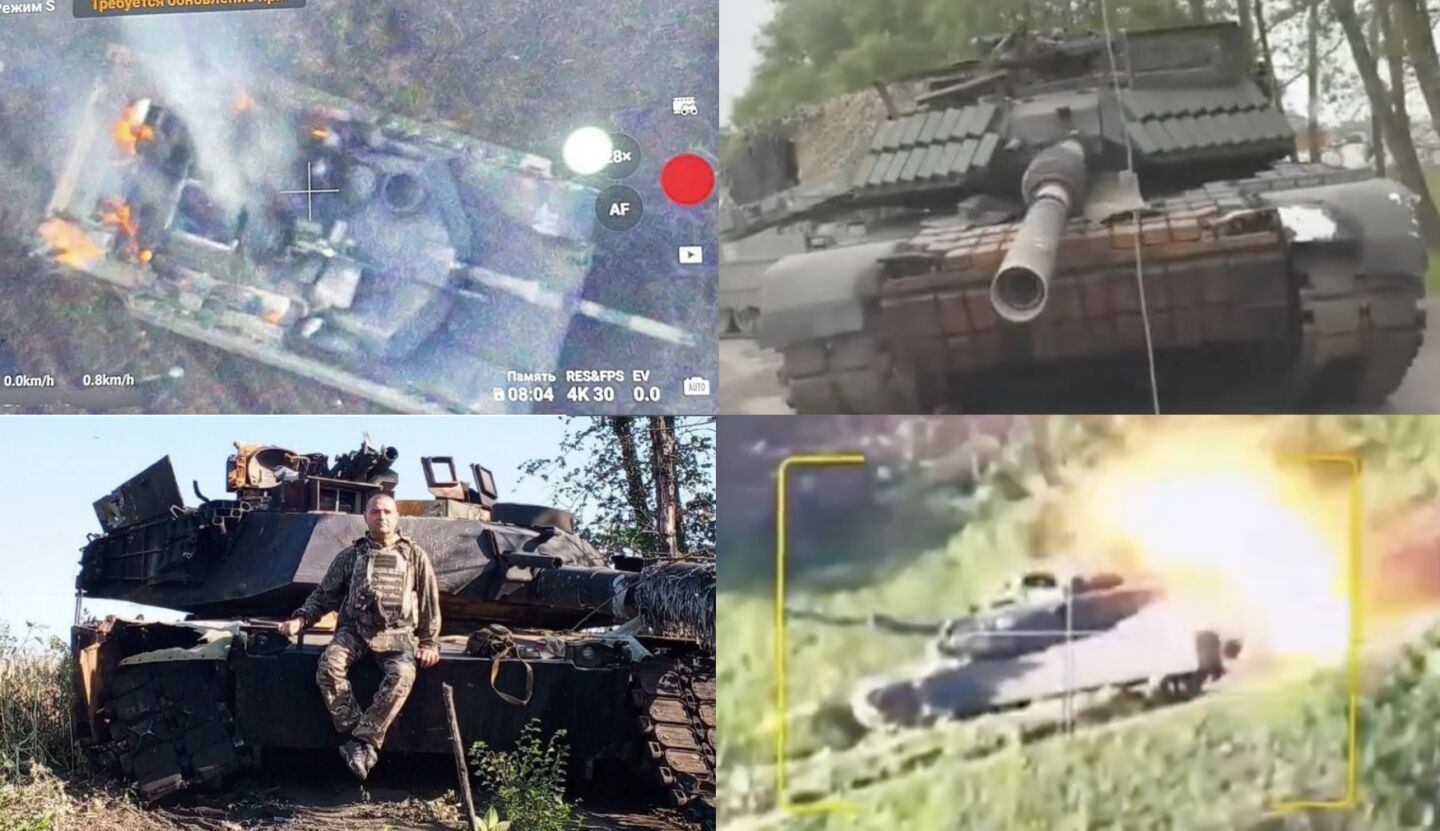
Despite multiple withdrawals from the frontlines and extensive efforts to improve armour protection levels, by early June 2025 the Ukrainian Army was assessed to have lost 87 percent of the Abrams tanks supplied by the United States. Ukrainain personnel interviewed noted that the Abrams’ greatest weakness was that “It’s very tall — and very large — so it’s hard to conceal,” which has been a key factor in its vulnerability. Ukrainian crews further lamented the Abrams’ demanding maintenance requirements, with the tank's running gear requiring frequent inspection and servicing, while its gas-turbine powerplant consumes substantial quantities of fuel. Western tanks’ viability for modern warfare has been widely questioned, as their emphasis on heavy armour protection is considered far from optimal in an era of drone warfare.
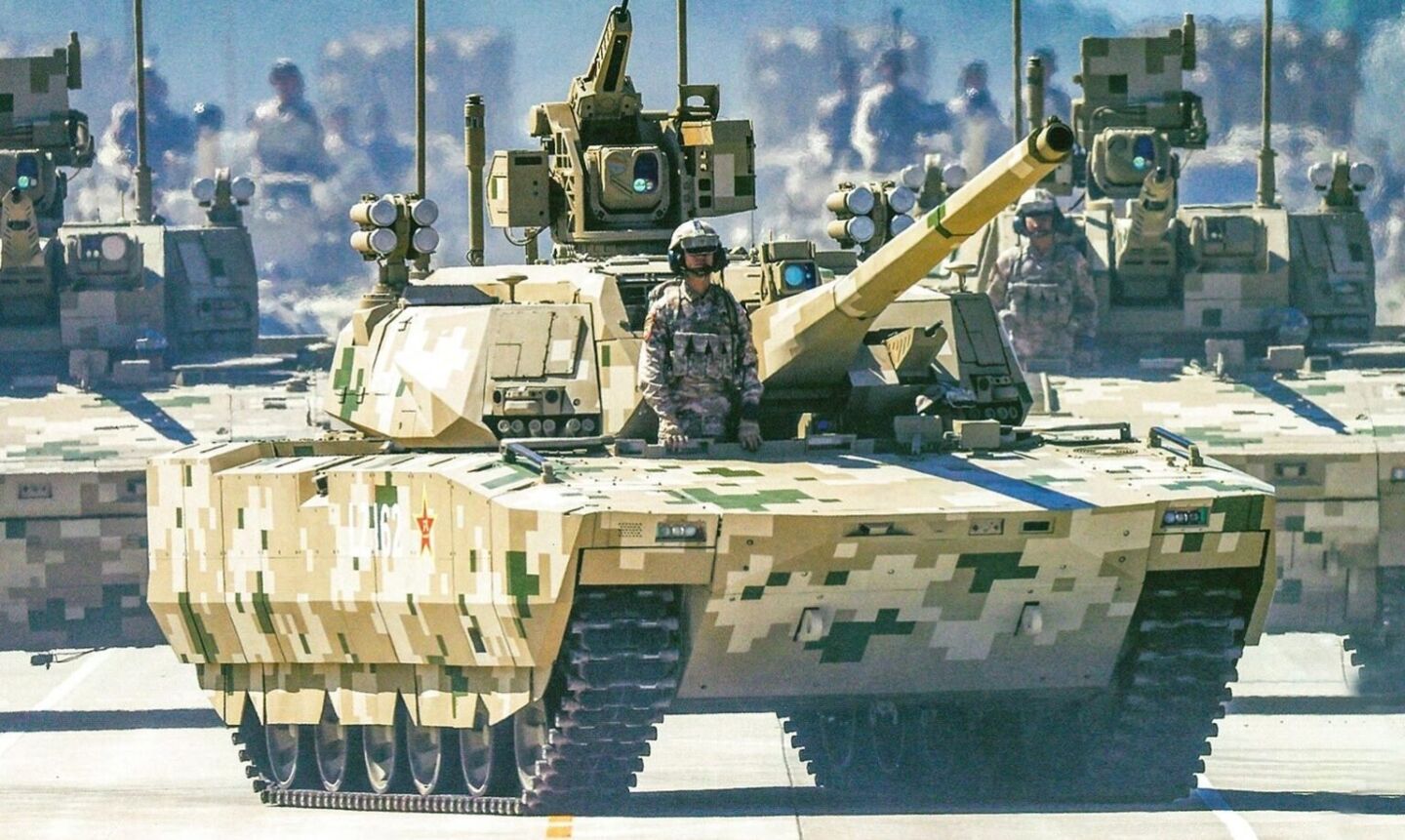
Current variants of the Abrams are considered increasingly outmatched by advanced tank designs fielded abroad, most notably the Chinese Type 100 which was in 2025 confirmed to be the world’s first fourth generation tank design in service. The United States has responded to this and to the tank’s demonstrated vulnerability in Ukraine by initiating the M1E3 program, which is by far the most ambitious tank development effort seen in the Western world in over half a century, and seeks to introduce fourth generation features onto the ageing vehicles. The new vehicle has prioritised many of the same capabilities as the Type 100, including a significantly reduced weight, and a focus on networked operations, mobility, range and crew protection. With the Army unlikely to be able to finance replacing all Abrams tanks with the new M1E3, it is likely that significant numbers of tanks will be retired without replacement.
