
Ukrainian Forces Confirm U.S. Abrams Tanks Not Survivable - New Armour Kept Far From Frontlines
Military Watch Magazine Editorial Staff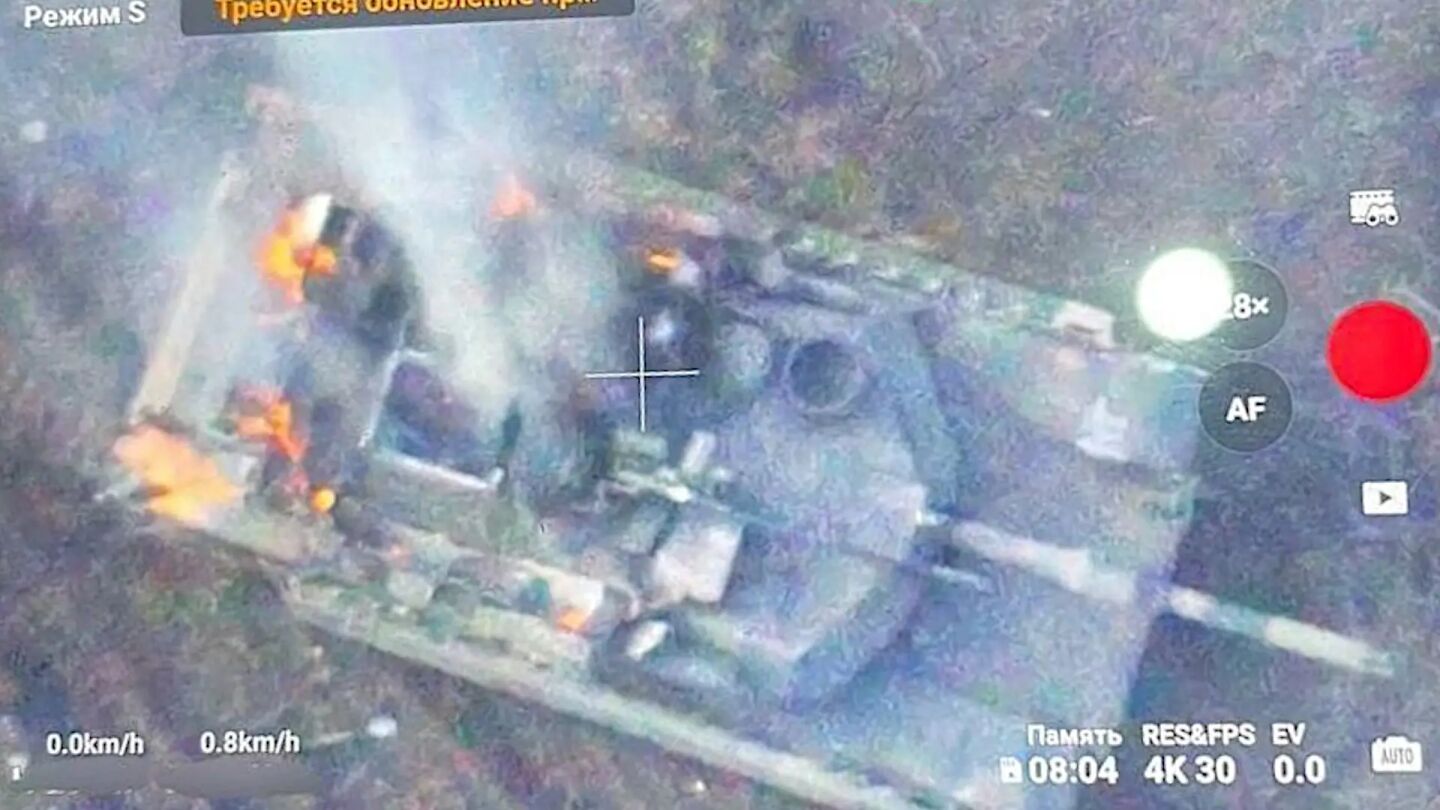
Abrams Tank Destroyed Near Avdiivka
The Ukrainain Army has been forced to operate its newly supplied U.S.-built M1A1 Abrams main battle tanks far from the frontlines, as the vehicles have proven highly vulnerable to Russian strikes. Abrams tanks supplied by the United States were first used in combat in February 2024, and quickly took extreme losses. Despite multiple withdrawal from the frontlines and extensive efforts to improve armour protection levels, by early June 2025 the Ukrainian Army was assessed to have lost 87 percent of the vehicles, most of which were destroyed while some were abandoned and captured. Australia in 2025 supplied 49 additional vehicles that had been retired from its own forces, with the decision not to deploy these to the frontlines appearing to reflect lessons regarding the type’s vulnerability.
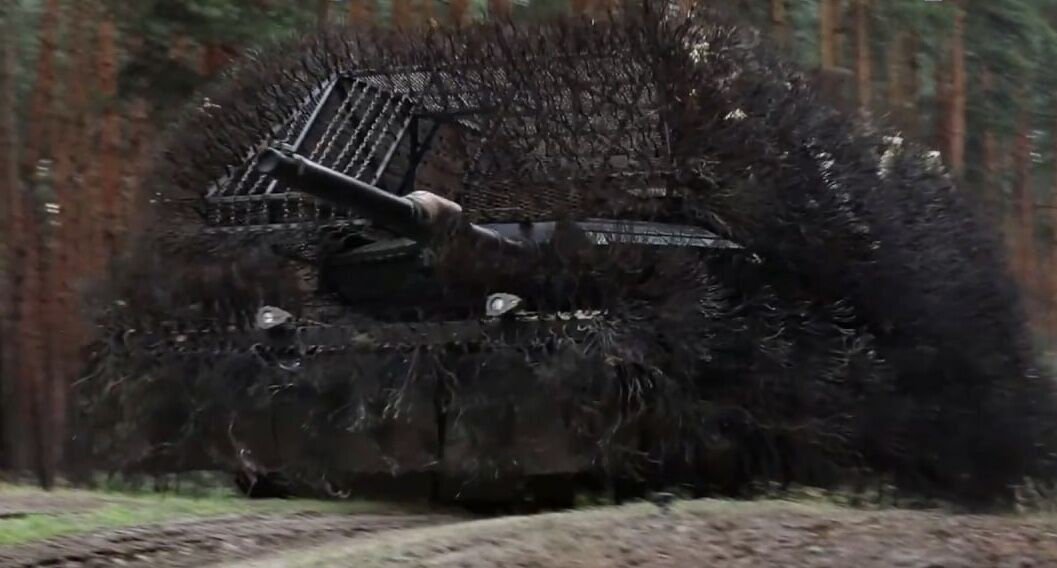
Ukrainain personnel interviewed noted that the Abrams’ greatest weakness was that “It’s very tall — and very large — so it’s hard to conceal,” which has been a key factor in its vulnerability. Soviet-designed tanks, by contrast, have very low profiles to reduce vulnerability. Personnel have nevertheless commented positively on the tank’s accuracy, as well as its high mobility, with its use of a gas turbine engine being a feature otherwise seen only on the Soviet T-80, which Ukraine also operates. Ukrainian and Russian crews have respectively praised the Abrams and T-80 for their ability to operate in highly challenging terrain due to their engines, where other tanks such as German Leopards would get bogged down.
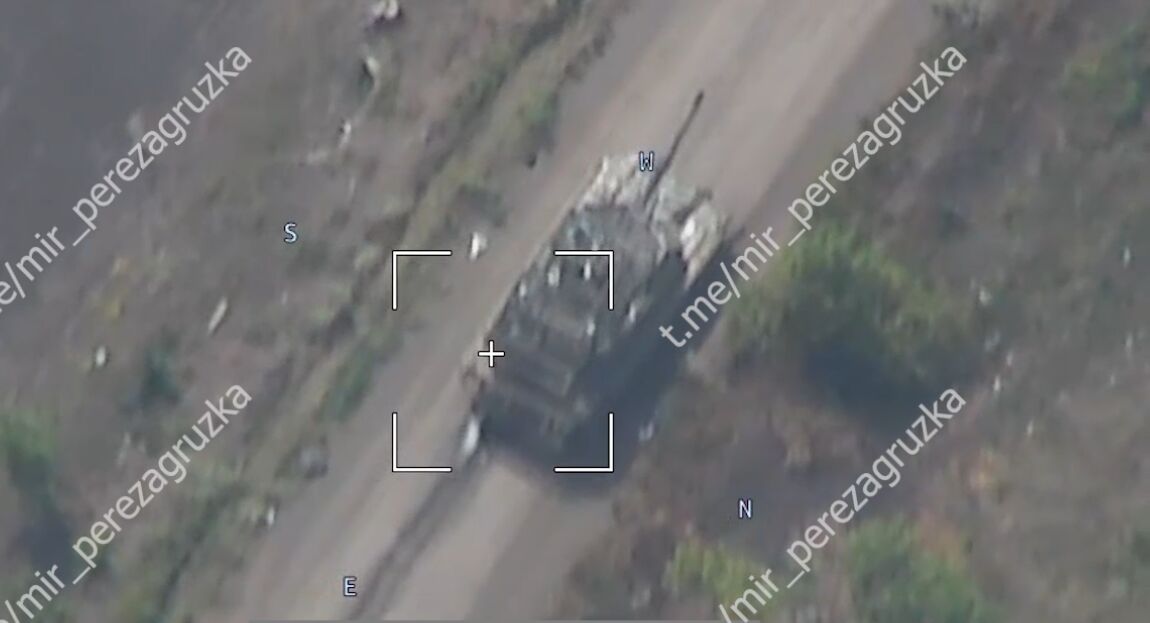
Ukrainian crews further lamented the Abrams’ demanding maintenance requirements, with the tank's running gear requiring frequent inspection and servicing, while its gas-turbine powerplant consumes substantial quantities of fuel. The Ukrainian vehicles had to be modified to operate on diesel fuel rather than the standard JP-8 aviation fuel used by U.S. Abrams tanks. One operator, with the callsign Kubik, observed regarding the decision to keep the tanks away from forntline operations: “For now, we’re not using them further — there’s no way to… The enemy has developed their drone component very heavily, and for now we don’t have the means to counter that.”
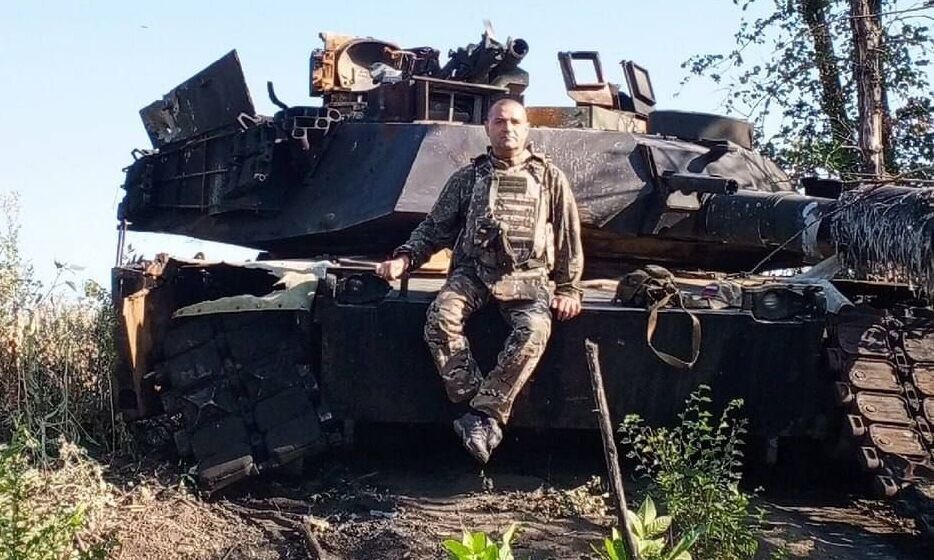
Despite the Soviet Union having been the first to integrate active protection systems onto its main battle tanks, no tanks in Ukrainian Army service have such systems, which have only begun to enter service in the Western world from the mid-2020s. Russia, too, has only recently introduced such systems into service from 2024 onto its T-90M and T-72B3 tanks, which provide a degree of protection against top-attack weapons including loitering munitions and drones. The Arena-M has continued to be modernised to provide better protection against drone attacks, with the lack of a comparable system for the Abrams continuing to be a major shortcoming.
