
Footage Shows Continued Testing of Russia’s T-14 Next Generation Tank: Can it Revive the Army’s Offensive Potential?
Military Watch Magazine Editorial Staff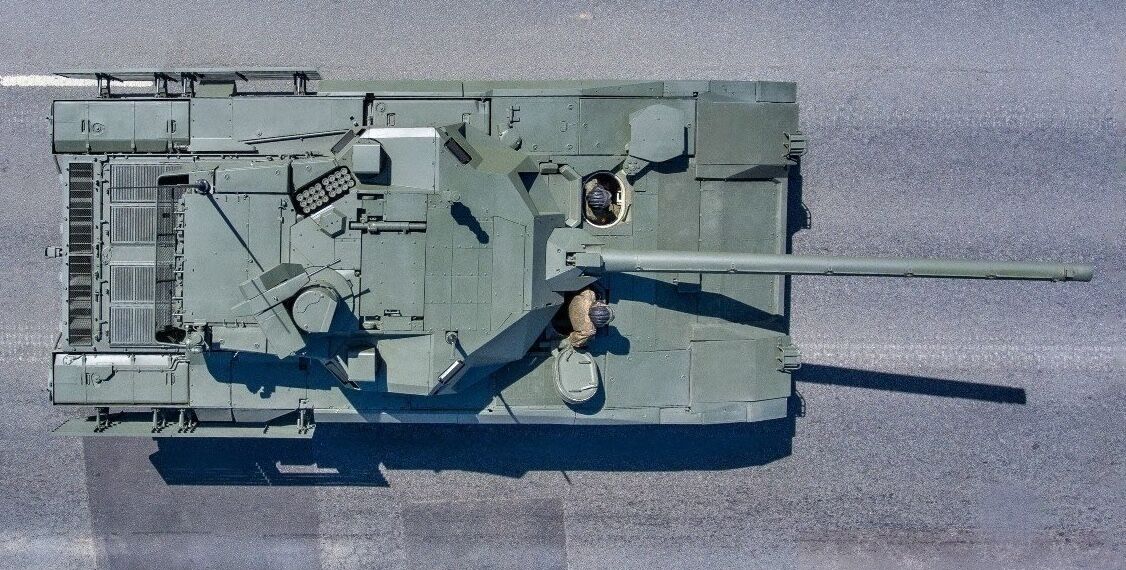
T-14 Tank Prototype
Dashcam footage released on Russian social media has provided a rare view of the T-14 next generation main battle tank in testing, at a time when the future of the program has become increasingly uncertain. The vehicle was seen crossing a dirt road toward a firing range, in what appeared to have been a routine range exercise. The T-14 is a derivative of the Soviet next generation tank program informally referred to as the T-95, which was intended to transform Soviet armoured warfare capabilities when entering service in the late 1990s. The USSR’s disintegration set the program back considerably, culminating in its cancellation in the 2000s, and the development of the T-14 as a successor built around a very similar design concept.
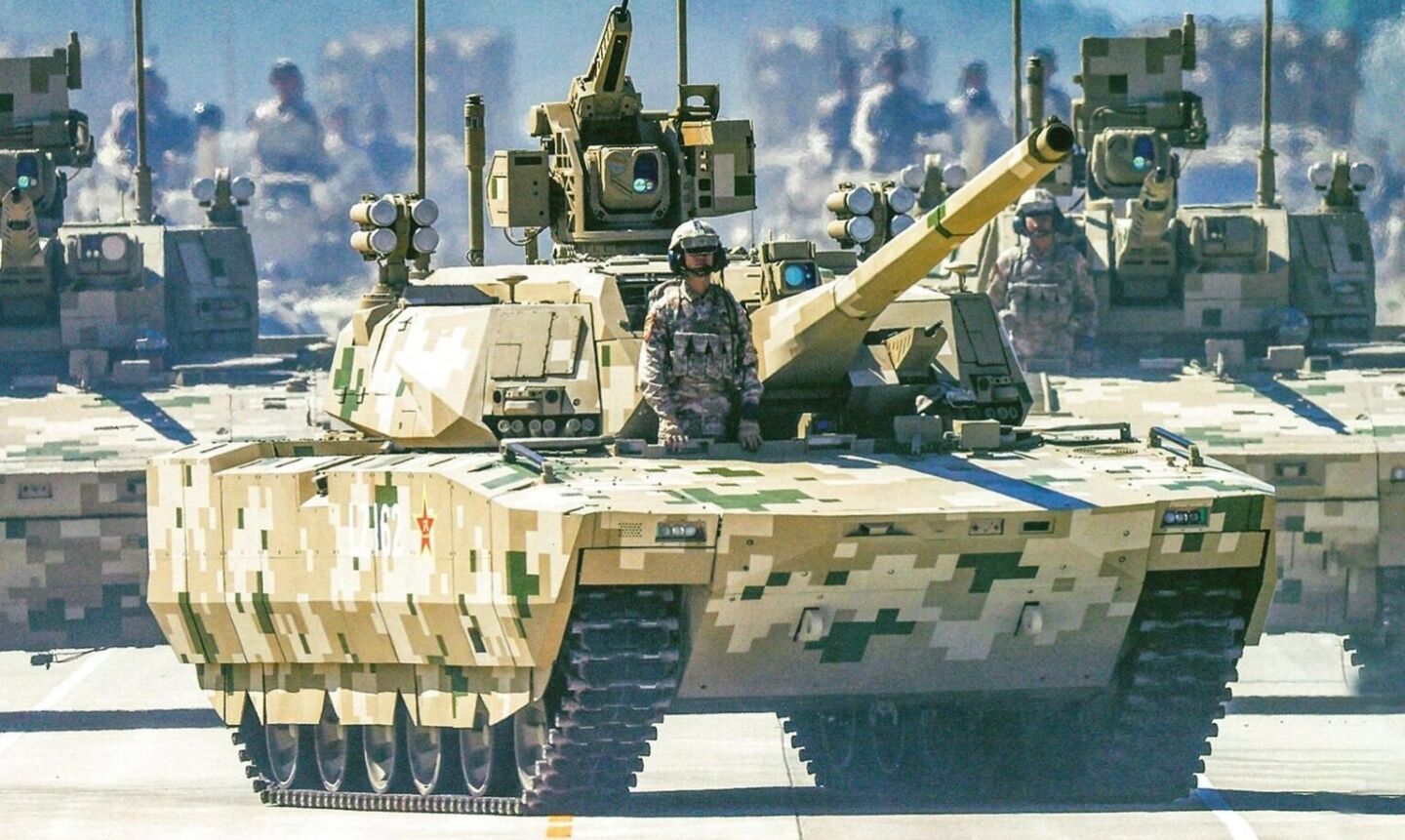
When first unveiled in 2015, the T-14 was expected to provide the Russian Army with by far the world’s most capable type of main battle tank by the end of the decade, much as the T-64 had for the Soviet Army in the 1960s. The failure to bring the tank into service, however, has allowed China to leapfrog Russian developments and become the first to bring a next generation tank into service, with the Type 100 tank unveiled in October 2025. As a much newer design, the Type 100 appears to be significantly better optimised to modern high intensity conflicts, with a greater emphasis on active protection systems, mobility, and integration with drones, where the T-14 emphasised traditional armour and firepower to greater extents.
The circulation of footage of a T-14 at a training range may be intended to raise morale in Russia at a time of ongoing frontline operations in the Ukrainian theatre. One of the T-14’s most important innovations is its unmanned turret and armoured crew capsule. Instead of placing crew members inside the turret as tanks from prior generations did, all three crew members sit together in a heavily protected compartment at the front of the hull, minimising the risk of casualties. Its turret being very significantly lighter than those of prior tanks, allowing for a much heavier chassis with greater crew protection without a significant increase in the vehicle’s overall weight. In addition to composite armour and explosive reactive armour, the T-14 also integrates the Afganit active protection system, providing a far superior hard-kill active protection capability.
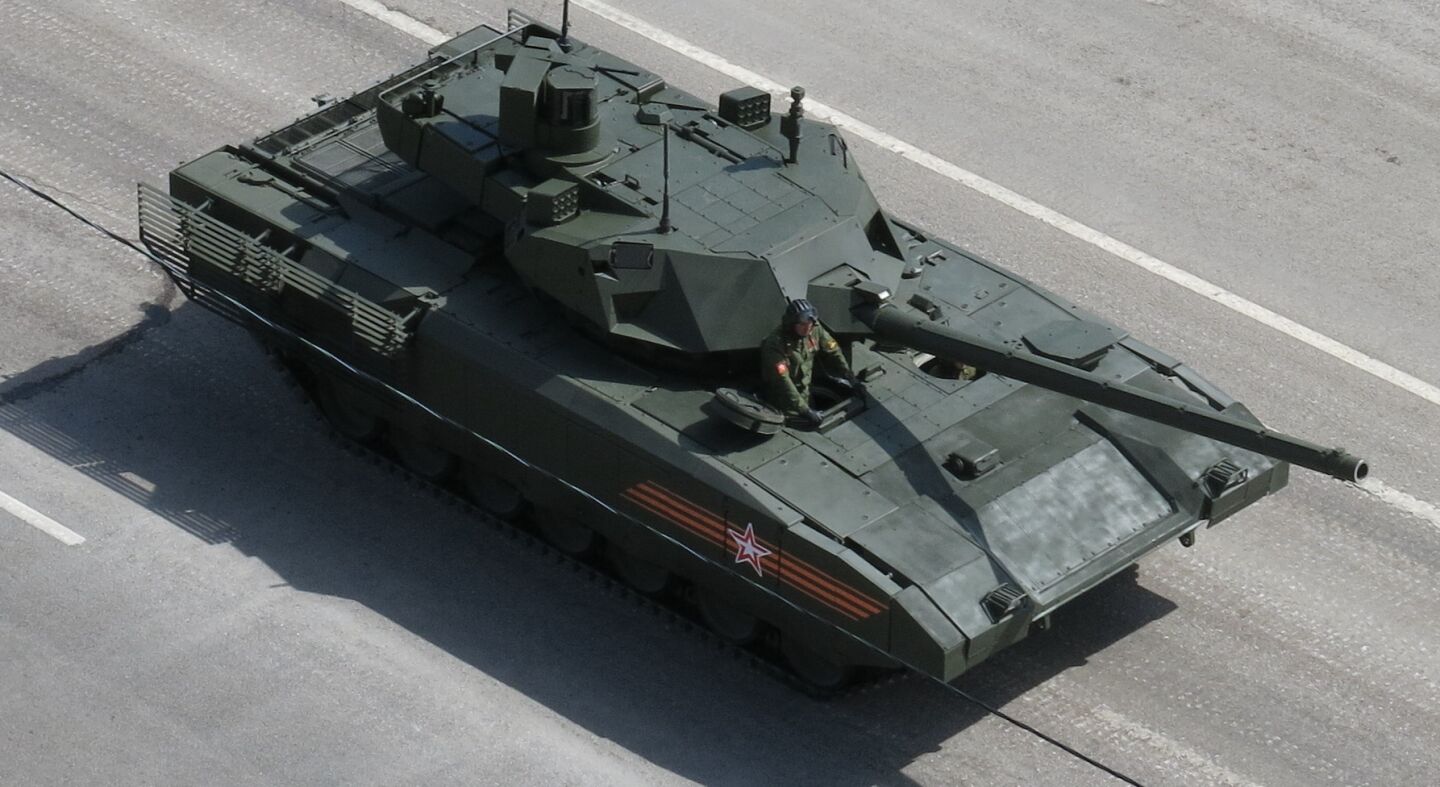
The T-14 further benefits from a far more advanced sensor suite and battlefield management system than prior tanks. It incorporates multiple electro-optical cameras providing near-360-degree situational awareness, advanced thermal imagers, digital displays, and integrated communications that allow it to share targeting information across the battlefield. While Western and Russian analysts have widely claimed that the tank has not been brought into service due to its far higher cost than prior Russian tanks, this remains highly questionable. Even service entry in limited numbers would do much to salvage the reputation of the Russian tank industry, while also opening the possibility of exports to clients such as India or Algeria. The T-14 could also have a disproportionate impact as a command tank to support older vehicles, which could make procurement highly cost effective should Russia’s defence sector prove capable of making it operational.
