
New U.S. AIM-260 Missile Built to Hunt Stealth Fighters is Too Expensive to Enhance the Fleet
Military Watch Magazine Editorial Staff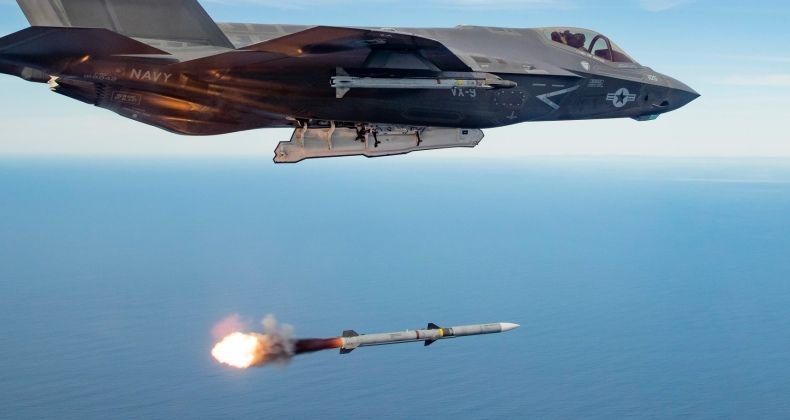
F-35 Launches AIM-120 Missile - Artwork
The AIM-260A Joint Advanced Tactical Missile (JATM) is scheduled to be procured at an expanded rate by the U.S. Air Force and Navy from 2026, with the U.S. Congress having in March cleared the missile’s first ever export to equip the Royal Australian Air Force, after which other sales to a wide range of foreign clients are expected to follow. Although the missile is the first clean sheet design for fighter-sized aircraft to enter service in the U.S. since 1991, questions have been widely raised regarding its affordability to fully replace its predecessor the AIM-120 across frontline combat aviation units. These concerns have increased significantly when details of contracts for sales to Australia revealed its extremely high cost exceeding almost all prior estimates.
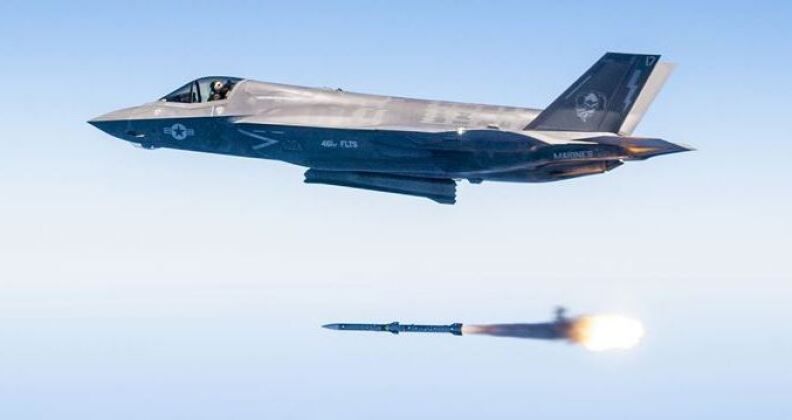
Australia has been approved to procure 450 AIM-260 missiles under a $2.61 billion contract, excluding hundreds of millions of dollars in additional support costs for the new munitions, meaning each missile acquired costs $5.8 million plus additional sustainment-related expenses. To place this in perspective, the AIM-120 is estimated to cost $1-2 million depending on the variant, while the Russian R-77M and Chinese PL-15 are estimated to cost close to $1 million each, the latter possibly significantly less. Thus a full internal air-to-air loadout of six missiles for a single F-35A Block 4 fighter would cost $34.8 million, or more than a third of the cost of the aircraft itself, representing a near unprecedented ratio of missile cost to fighter cost.
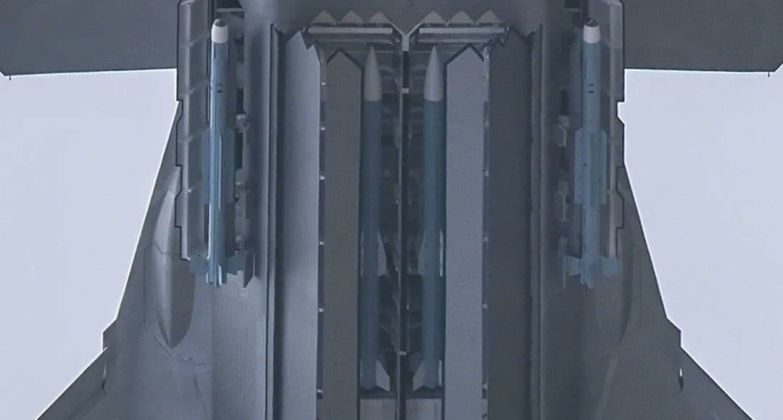
Although the AIM-260 is expected to be affordable to equip elite frontline units, with its reportedly much improved performance over the AIM-120 justifying its much greater cost, the missile is likely to be prioritised for fielding in the Pacific theatre to confront the pacing challenge of Chinese air power. The AIM-120D will meanwhile continue to be produced to equip fighters in other theatres, while the AIM-120C is produced as a lower cost option for export clients. While the Royal Australian Air Force equips and trains primarily to prepare for war with China, other U.S. strategic partners, in particular in Europe, may be less willing to invest in the AIM-260, as the AIM-120D and European Meteor continue to provide parity with Russian, Belarusian and Iranian aviation. As the numbers of U.S. fighters in the Pacific, or nearby in Alaska, continue to grow, re-equipping them widely with the AIM-260 is expected to impose very considerable costs at a time of significant economic difficulties and considerable budgetary strains.
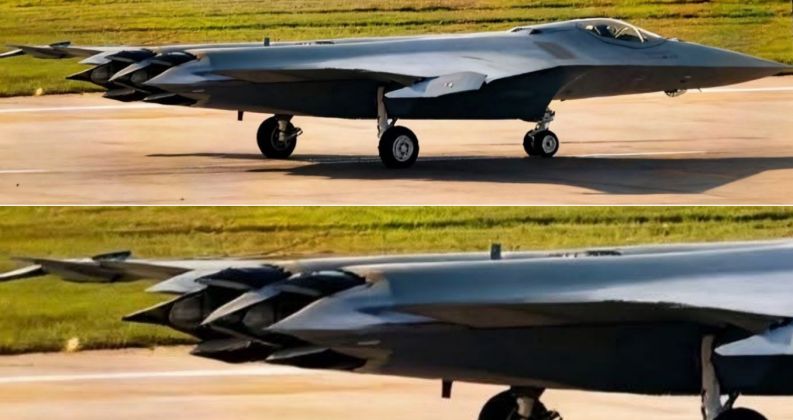
The AIM-260 was initially intended to enter service around 2022, with multiple delays having delayed this by four to five years. Requests for funding for serial production and procurements in 2025 indicated that the program has already approached or reached an end to development testing. Development and procurement have been considered particularly urgent due to Chinese frontline fighter units’ growing advantage in their capabilities of their air-to-air missiles, with increasingly capable variants of the PL-15 having been introduced since 2014, while the new PL-16 has provided significant further capability improvements. China’s unveiling of two new sixth generation fighters in December 2024 already at flight prototype stages, and subsequent growing signs of rapid progress being made developing these aircraft, are considered likely to increased the perceived urgency of maximising the capabilities of U.S. and allied F-35 fighters with wide ranging enhancements, with the integration of the AIM-260 expected to represent a central part of this.
