
U.S. Failed to Achieve Any Upgrades to F-35’s Combat Performance in 2025: Urgently Needed Modernisation Stalls
Military Watch Magazine Editorial Staff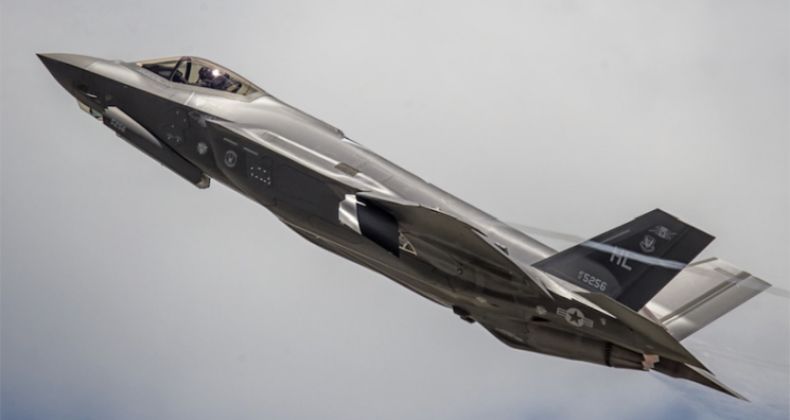
U.S. Air Force F-35A Fifth Generation Fighter
The F-35 fifth generation fighter program achieved no new combat capabilities during fiscal year 2025, due largely to software problems which delayed operational testing across both Technology Refresh 2 (TR-2) and Technology Refresh 3 (TR-3) aircraft configurations. The annual report of the Pentagon’s Director of Operational Test and Evaluation observed that the latest TR-3 software build, 40R02, was “unsuitable for dedicated OT [Operational Test],” while the latest TR-2 build, 30R08, was “predominantly unusable” during the year due to stability problems, capability shortfalls, and ongoing discoveries of deficiencies. This revelation reflects part of a longstanding trend towards extreme software issues stifling the program’s development over decades.
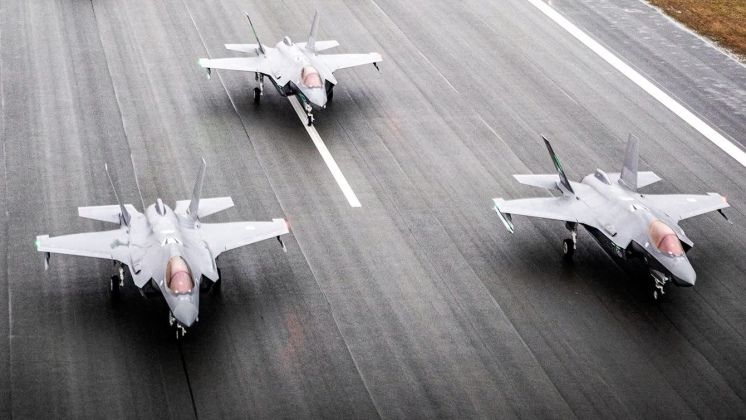
According to the report, development teams spent fiscal year 2025 working on two separate software lines tied to different hardware baselines. Most of the fleet rely on older TR-2 software, which used one baseline, while some newer aircraft with a second baseline were built to better support TR-3 software. The upgraded TR-3 avionics are intended to enable future Block 4 mission systems capabilities, the development of which is considered strategically vital, but has been delayed repeatedly. Although the F-35 was previously scheduled to have long since had most of the capabilities associated with the Block 4 standard, it is now expected to achieve them only in the early 2030s.
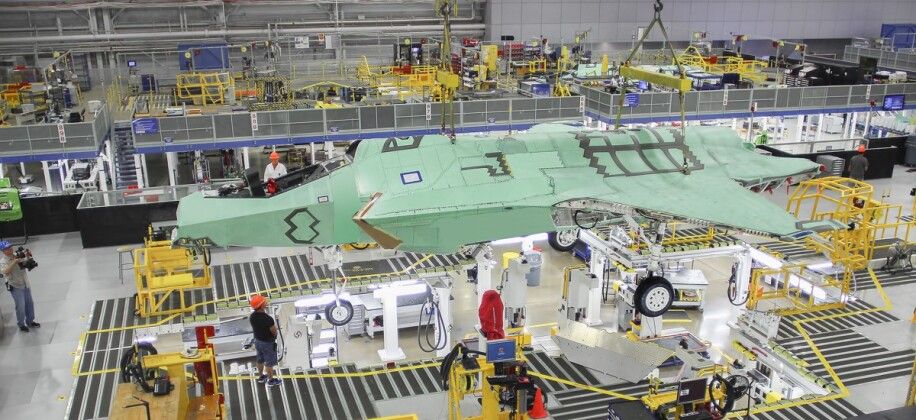
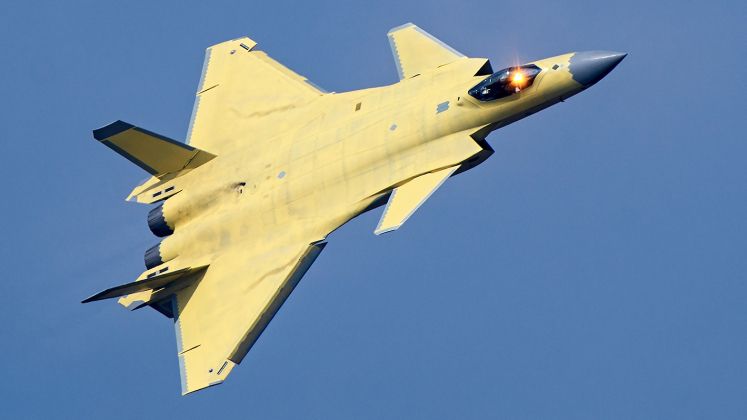
The latest report highlights that the latest software builds, 30R07 and 30R08, took longer than planned and required more software iterations than expected to address deficiencies, and that both delivered, or were set to deliver with less capability than originally planned. The result was no meaningful capability, with the 40-series TR-3 software having fallen further behind and accumulated new deficiencies. Those software delays are now affecting the program’s operational test capacity. Compared to the Vietnam War era F-4A, which had 1,000 lines of code, and the early fifth generation F-22, which had 1.7 million lines, the F-35 has 5.7 million lines of code, which has been a leading contributor to its complexity. As the only NATO compatible fifth generation fighter in production in the world, issues with the F-35 program have particularly significant implications for U.S. and allied security interests, particularly as the U.S. faces a peer level challenge from cutting edge Chinese fifth and sixth generation fighter programs.
In February 2025 the annual report from the Director of Operational Test and Evaluation highlighted ongoing difficulties faced by the F-35 program in bringing the aircraft up to the much delayed TR-3 standard. This issue previously resulted in a suspension of all fighter deliveries, and continued to prove highly disruptive for the program. With TR-3 software being vital to allowing F-35s to conduct high intensity operations, delays in operationalising it has major repercussions for the combat potentials of stealth fighter fleets across the world. In September that year the Air Force 461st Flight Test Squadron received a unique specially instrumented F-35A fighter designed to enhance the much delayed testing of new software, the procurement of which was intended to help accelerate efforts to bring software fully up to the TR-3 standard. The TR-3 standard was previously expected to be reached around the early 2020, paving the way for F-35s with the Block 4 standard to become operational around 2025.
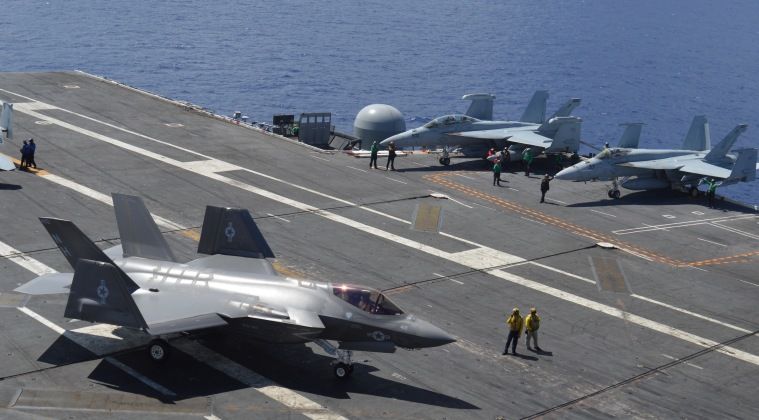
A Government Accountability Office report based on an audit of the F-35 program in September 2025 revealed that work done to modernise the F-35 to the Block 4 standard faced mounting delays, with two further years needed to develop and install planned improvements despite significant reductions to the scope of upgrades. The report noted that Block 4 would now “have fewer capabilities, will experience schedule delays, and will have unknown costs,” stressing that “Block 4 will now consist of “a subset of the original 66 … capabilities and those added in later years.” The results of a the F-35’s lack of Block 4 software have been clearly observed since the U.S. and Israel initiated an assault on Iran on February 28, as their F-35 fleets have been highly constrained in the kinds of armaments they have had access to, lacking any kinds of air-to-ground missiles, including the AGM-88G which is vital for air defence suppression operations. These capabilities will only be attained in the early 2030s when the Block 4 standard is belatedly reached.
