
U.S. Approves First Ever Export of AIM-260 Next Generation Air-to-Air Missile to Enhance Australia’s F-35 Fighters
Military Watch Magazine Editorial Staff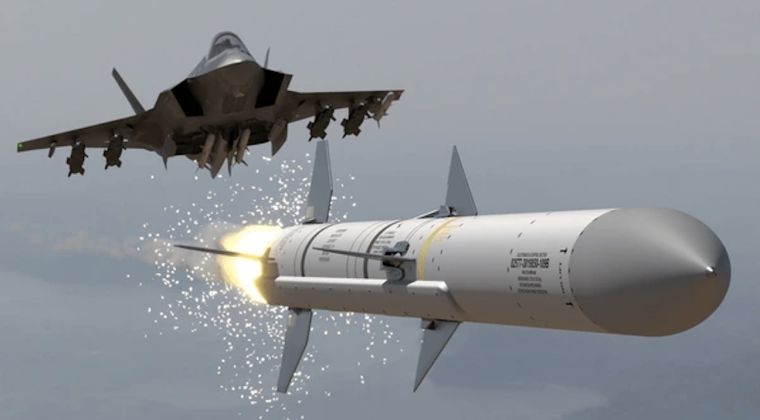
F-35 Launches AIM-120 Missile - Artwork
The United States Congress has cleared the first ever export of the new AIM-260A Joint Advanced Tactical Missile, under a package that includes $2.61 billion worth of missiles and $550 million in sustainment to equip the Royal Australian Air Force’s F-35A fighter units. With 450 missiles included in the deal, they are being procured for a cost of $5.8 million each, excluding additional sustainment costs, meaning a full internal air-to-air loadout of six missiles for an F-35A Block 4 fighter would cost $34.8 million. The AIM-260 is the first new U.S. air-to-air missile type to have begun development for fighter-sized aircraft since the end of the Cold War, with the program having been initiated in 2017 specifically due to the challenges posed to U.S. and allied air dominance by China’s PL-15 missile program.
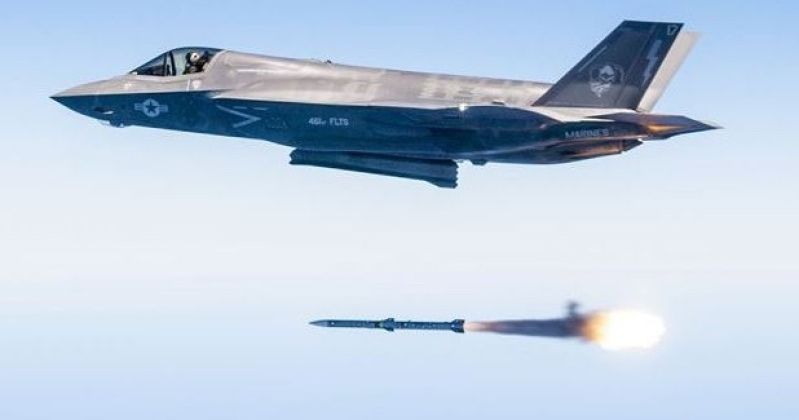
After suffering sustained development delays, the first public requests for funds for procurement of the AIM-260 by the U.S. Navy and Air Force were made in mid-2025. Development and procurement of the missile have been considered particularly urgent due to Chinese frontline fighter units’ growing advantage in their capabilities of their air-to-air missiles, with increasingly capable variants of the PL-15 having been introduced since 2014, while the new PL-16 has provided further capability improvements. Australia and Japan were long expected to be among the first clients for the AIM-260 due to their proximity to China, and the orientation of their air forces primarily to support the United States in a potential war with the Chinese People’s Liberation Army.
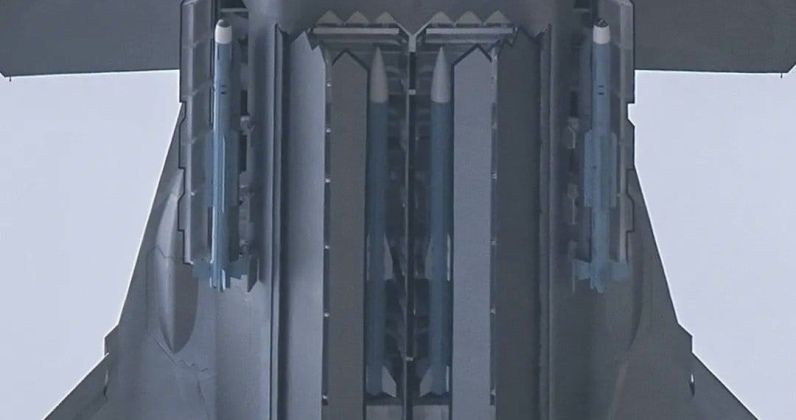
The AIM-260 was initially intended to enter service around 2022, with multiple delays thought to have pushed this back by at least four to five years to 2026-2027. While progress towards development remained uncertain, requests for funding for serial production and procurements in 2025 indicated that the program had already approached or reached an end to development testing. It has been widely speculated that the AIM-260 will be far too costly to fully replace the AIM-120 in service, and that production of the AIM-120D will continue in parallel to AIM-260 production. The missiles are expected to be prioritised to equip fighter units in the Pacific due to the challenges posed by Chinese air power in the region.
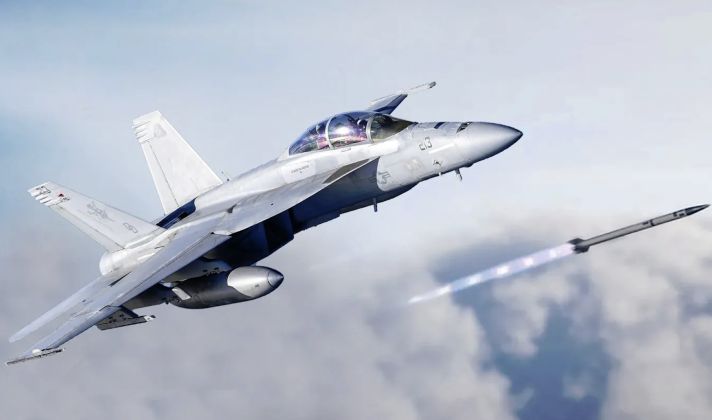
The AIM-260 was designed to widen the first-shot opportunity in beyond-visual-range combat, provide countermeasures against increasingly capable electronic warfare, and engage targets at much longer ranges than the older AIM-120 can. The missile is also speculated to integrate a much more powerful active electronically scanned array radar in its nose cone, much as the PL-15 and PL-16 have, to be able to better lock on to stealth targets such as Chinese J-20 fifth generation fighters. The Royal Australian Air Force currently fields 72 F-35A fighters split between three operational squadrons, alongside the No. 2 Operational Conversion Unit. The procurement will equip the Air Force with 6.25 AIM-260 missiles per fighter, allowing previously procured AIM-120 missiles to be used as a reserve stockpile.
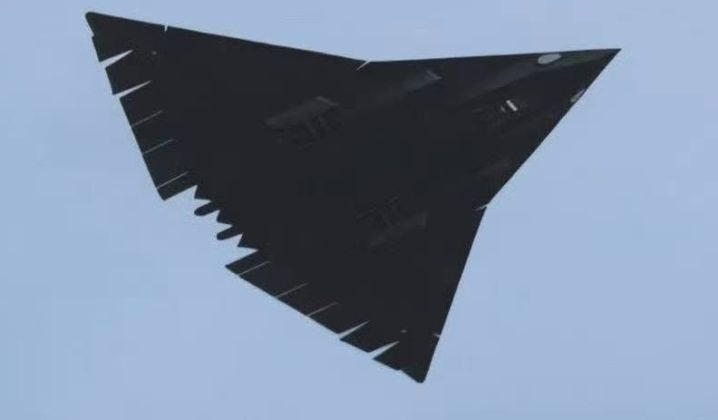
Although Lockheed Martin is holding “very active” talks with the Pentagon about enhancing the F-35 to a ‘5+ generation’ standard, these upgrades are expected to more than double the cost of the aircraft, while still leaving it well below parity with the capabilities of China’s sixth generation fighters currently under development. China’s unveiling of two new sixth generation fighters in December 2024 already at flight prototype stages directly caused a drop in Lockheed Martin’s stock value, and resulted in the Pentagon allocating a higher priority to the F-47 program and deprioritising orders for the F-35. Growing signs of rapid progress being made in China developing these aircraft means they may well enter service before the F-35 is brought to a fully Block 4 standard, let alone a ‘5+ generation’ standard, and over to half a decade before the F-47 can be brought into service.
