Most Advanced Version of China’s J-20 Stealth Fighter with Next Gen. Engines Seen in Missile ‘Beast Mode’ for the First Time
Military Watch Magazine Editorial Staff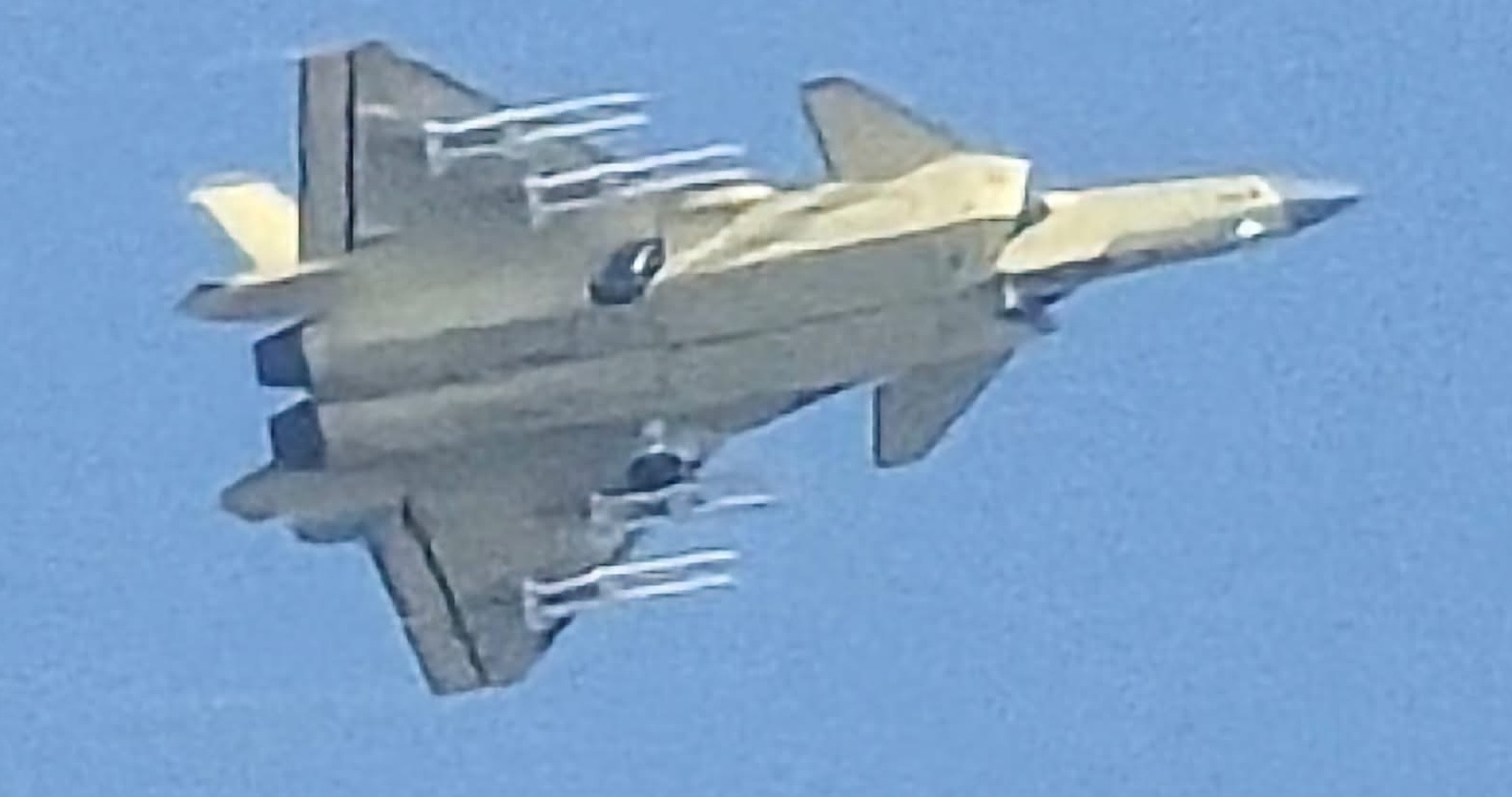
J-20A with WS-15 Engines and Eight External PL-15 Missiles
New footage of China’s most capable fighter type the J-20A has for the first time shown the aircraft carrying eight radar guided air-to-air missiles on external wing pylons, with the aircraft coming from the of the latest production batches integrating WS-15 next generation engines. This marks the first time that this enhanced variant of the air superiority fighter is seen in such a configuration. The WS-15 is thought to significantly increase the J-20’s takeoff weight and improve its flight performance, potentially allowing for a heavier weapons load to integrated with a more limited impact on its flight performance than would be the case for older variants.
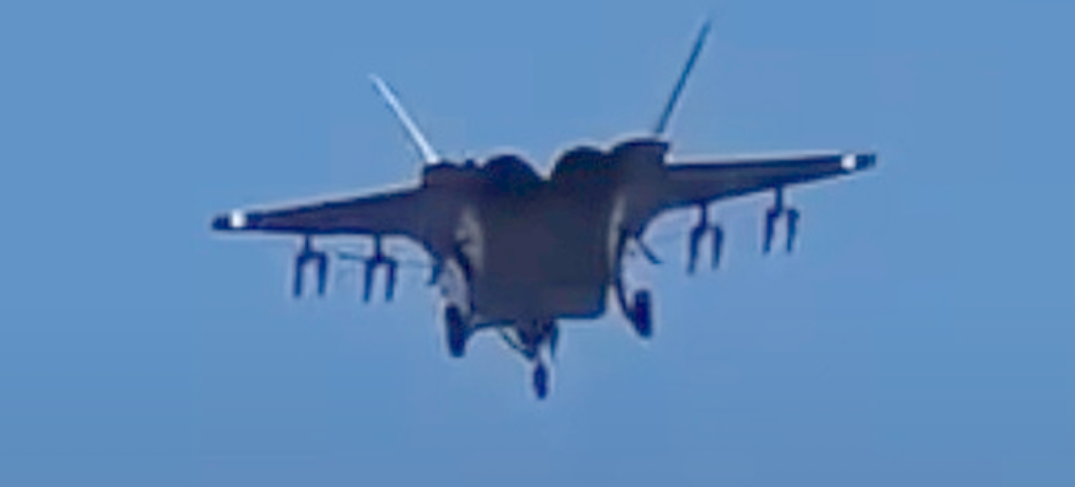
The eight visible missiles, which appear to be PL-15 beyond-visual-range air-to-air missiles, are seen mounted in pairs on four underwing pylons. The J-20 also has internal weapon bays, meaning external missiles could supplement its usual concealed load, providing a total of 16 air-to-air missiles. The missile type was first combat tested in May 2025 by the Pakistan Air Force, and was credited with shooting down between one and four Indian Air Force Rafale fighters. The PL-15 has been widely assessed by Western analysts to be significantly superior to the U.S. AIM-120D air-to-air missile, with its capabilities leading the United States to develop the more advanced AIM-260 to restore its fighters’ armaments parity with their Chinese counterparts.
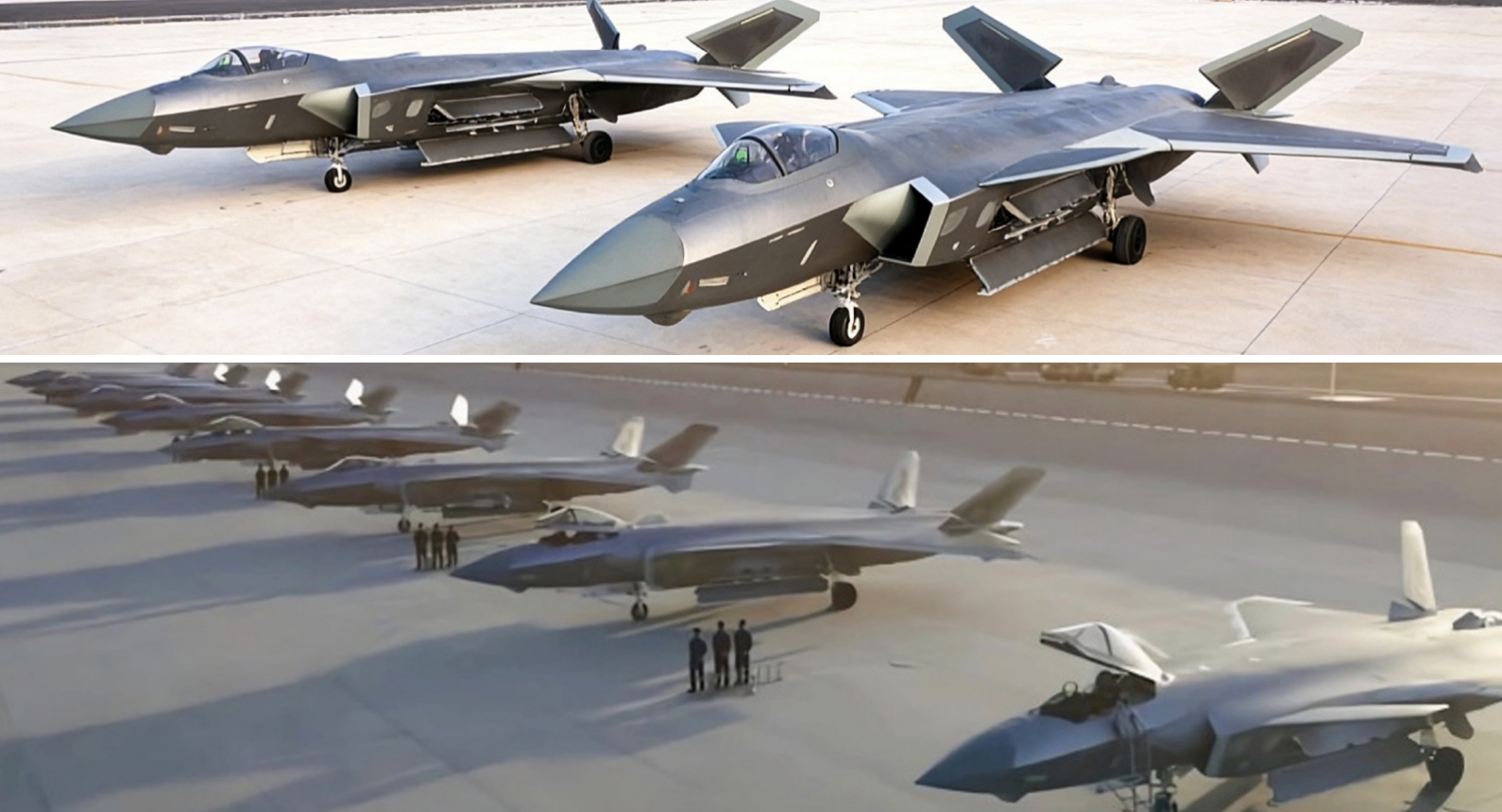
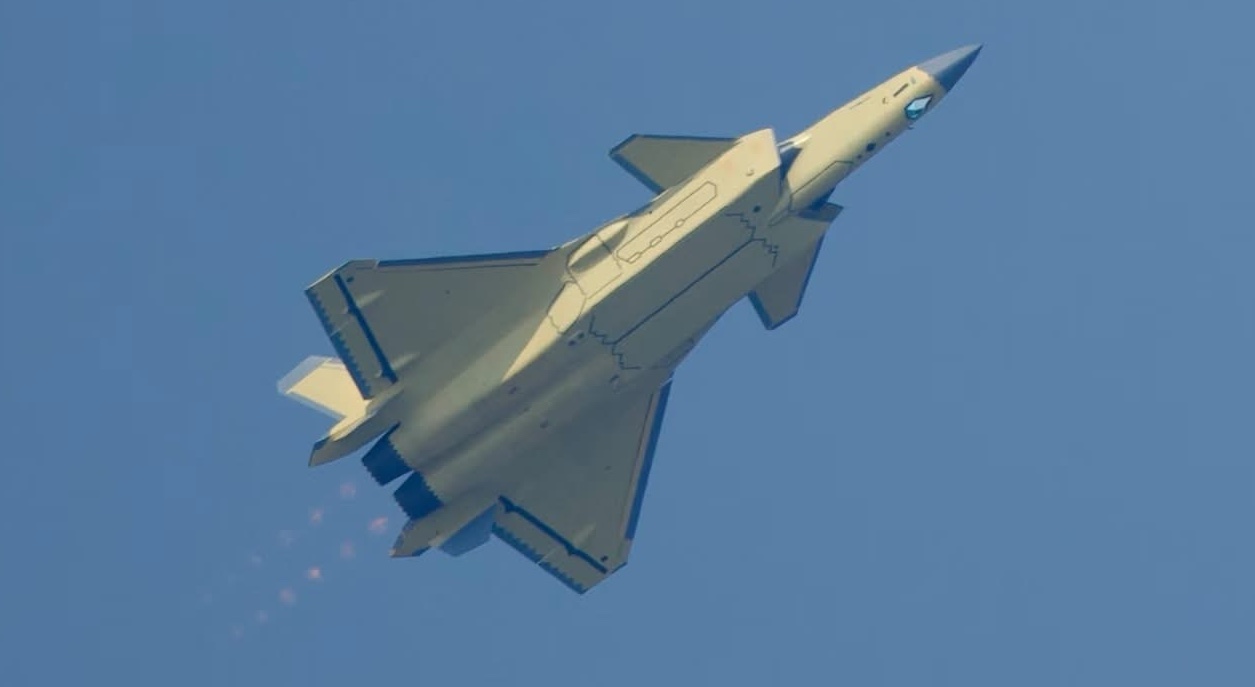
The J-20 has been procured in larger numbers by the Chinese People’s Liberation Army Air Force than any other post-Cold War fighter type by any other air force in the world, providing air units across China with experience operating both alongside and against modern fifth generation fighters. Where the rival U.S. F-35 was developed primarily as a strike fighter, with a secondary air-to-air capability, the J-20 was developed from the outset as an air superiority fighter. Primary advantages include a much larger more powerful radar, superior flight performance, and greater missile carrying capacity. Video footage in December 2025 for the first time confirmed that the first batch of J-20s integrating twin WS-15 turbofan engines had completed serial production, with the first flight of a serial production aircraft with the engines reportedly having taken place on December 27. This follows a series of continuous updates to the design between production batches.
J-20 fighters are not expected to carry missiles externally for the large majority of operations, as this compromises their radar evading stealth profiles which are one of their most significant advantages over advanced ‘4+ generation’ fighters like the J-16. Nevertheless, external weapons carriage not only allows the fighters to integrate more missiles, but also to carry larger diameter weapons that cannot fit inside its internal weapons bays. The most notable example is the PL-17, which is estimated to have a 500 kilometre range, and appears to have been designed to threaten high-value support aircraft operating at considerable distances. The missile is currently carried primarily by J-16 fighters. Training to operate with external missile carriage, and with possible integration of the PL-17, would significantly increase the operational flexibility of J-20 fighter units.