
Japan Scrambles Fighters as Chinese H-6 Bombers with J-16 Escorts Fly Between Okinawa and Miyako
Military Watch Magazine Editorial Staff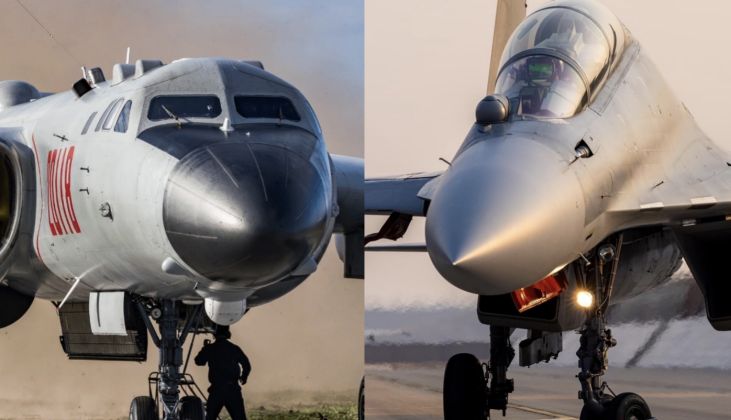
H-6 Bomber (left) and J-16 Fighter
The Japanese Ministry of Defence reported that Chinese People’s Liberation Army Air Force H-6 bombers, J-16 fighters, and Y-9 intelligence aircraft transited between Okinawa Island and Miyako Island, with Air Self Defence Force fighters from the Southwest Air Defence Force scrambled to respond. This occurred less than a month after People’s Liberation Army Navy J-15 carrier based fighters operating from the aircraft carrier Liaoning formed radars locks on a Japanese F-15 fighter over international waters southeast of Okinawa Island on December 6. The J-16 is a direct land-based counterpart to the J-15B/T, with both being produced in parallel as heavily enhanced ‘4+ generation’ derivatives of the Su-27 Flanker air superiority fighter design. Both retain very distinct advantages over the F-15 and F-2 fighters that form the backbone of the Japanese fleet.
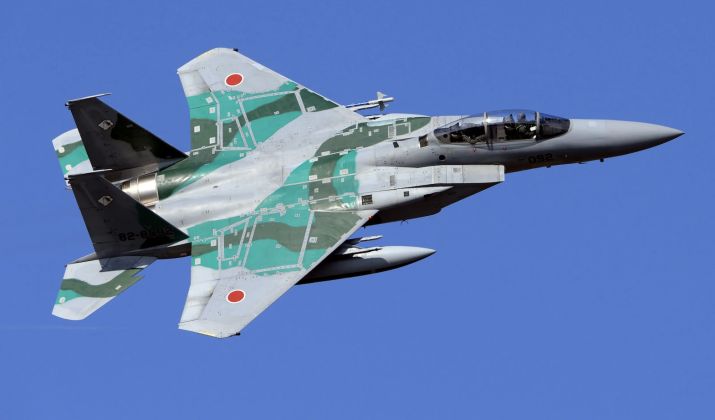
Media outlets based on Taiwan have reported that the Japanese military leadership were unsettled, to the point of being “freaked out” in the exact words used in one report, by the results of the two engagements between J-15B and F-15 fighters. The U.S.-supplied aircraft’s radar warning receivers were only able to notify pilots of the threat after a weapons lock had already been formed, with assessments made on the basis that in the event of a clash between the two fighter types, the F-15J would have already been close to being destroyed before Japanese pilot had time to react. Japanese sources have reportedly observed that the F-15J’s radar can track the J-15B at ranges of around 100 kilometres, while the J-15B can do so at ranges of 170 kilometres against the F-15 at a most conservative estimate. The incident was described by analysts as a “sobering awakening” for the Japanese military apparatus.
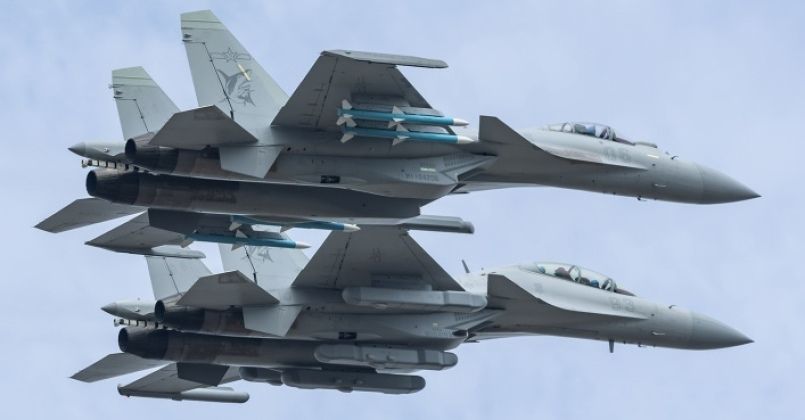
While the J-15B was only confirmed to have been brought into service in 2024, and is fielded in more limited numbers as part of three carrier air wings, the J-16 became operational a full decade prior, and is one of the most widely fielded fighter types in the world with over 350 currently in service. While the Soviet Su-27s procured by China from 1991 were over three decades ago seen to have provided Chinese air units with an advantage over Japanese F-15 units, this advantage has become overwhelming for units equipped with the J-16, as the technological discrepancy between the two fighter types is close to 40 years. The F-15’s high operational costs and maintenance needs means they are not fielded in significant numbers outside the U.S. Armed Forces, with Japan being by far the type’s largest foreign operator after having procured 220 aircraft. These are all older F-15J variants based on the American F-15C/D from the late 1970s.
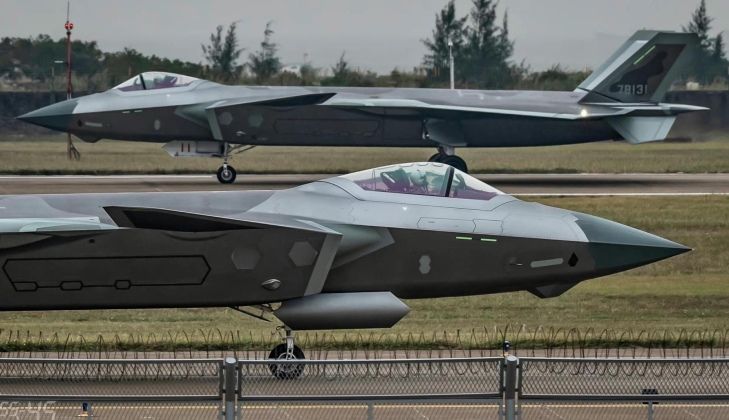
Although Japan has placed orders for F-35A fifth generation fighters, not only are these restricted to carrying far smaller radars, around 30 percent smaller than those of the F-15 and one third the size of those of the J-16, but they will also continue to lack Block 4 software that is vital for high intensity operations at least until the early 2030s. China’s own fifth generation fighter fleet is currently rivalled only by that of the United States, and is growing considerably faster, while its larger and much longer ranged fighters boast a growing range of capability advantages. China is also poised to become the world’s first country to field sixth generation fighters in the early 2030s, with three separate designs already in flight testing stages while the United States remains 3-4 years away from flight testing its rival F-47. This is expected to leave Japanese fighter units at an increasingly overwhelming disadvantage.
