
Israeli Air Force’s Finest Hour? Mideast Marks 40 Years Since F-16s Took Out Iraqi Nuclear Reactor
Military Watch Magazine Editorial Staff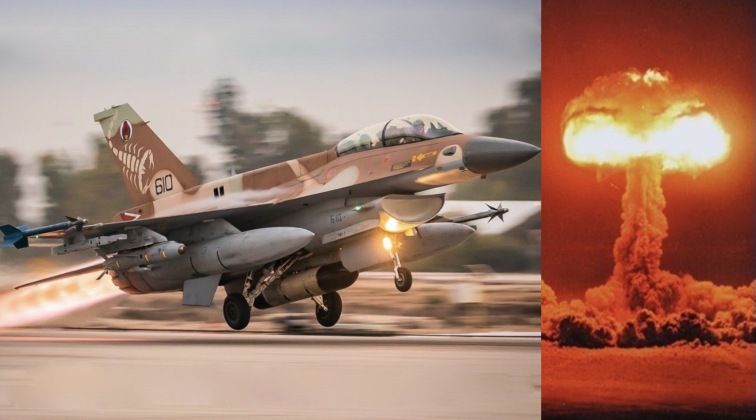
Israeli F-16 and Nuclear Explosion
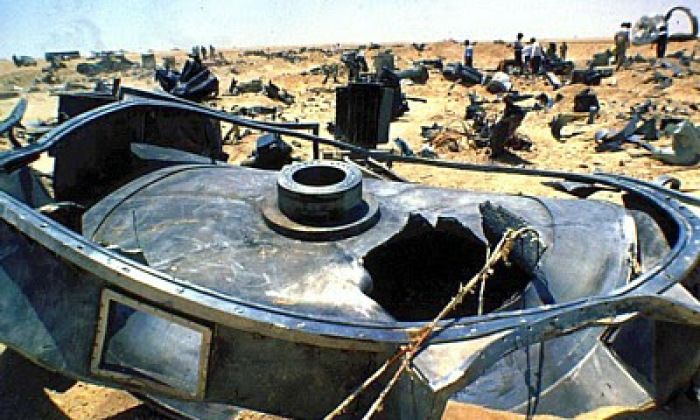
June 7, 2021, marks 40 years since the Israeli Air Force initiated Operation Opera to destroy an Iraqi nuclear reactor 17 kilometres from Baghdad. The operation marked the first ever preventive attack on nuclear facilities of a country suspected of developing nuclear weapons, and the first time American F-16 Fighting Falcon fighter jets were used in combat. Although Iraq did not have a significant nuclear industry of its own its reactor, named Osirak, was supplied by France and relied heavily on support from French technicians. While there was no definitive evidence that the rector was intended for the development of nuclear weapons, there was a clear incentive for Iraq to pursue them both to provide a strategic advantage over neighbouring Iran and to counter Israel’s own nuclear arsenal. Israel had begun to field nuclear arms in the late 1960s, and following the attack on Osirak it established as official doctrine the need to prevent any other Middle Eastern country from developing nuclear weapons of their own - ensuring an Israeli monopoly on nuclear force under what came to be known as the Begin Doctrine. The doctrine was named after the Israeli Prime Minister of the time Menachem Begin.
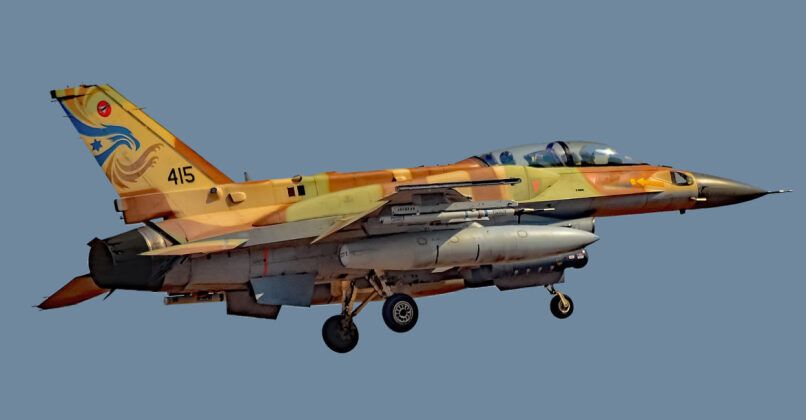
Israel’s attack on Iraq’s nuclear program came at a time when Baghdad was a leading Western client in the Arab world, with President Saddam Hussein who took power in 1979 having pivoted the country towards close ties with the Western Bloc and against the West’s traditional adversaries in the region such as Syria and South Yemen. In 1980 Iraq had invaded neighbouring Iran with considerable Western support, and as a result of their close partnership the Western powers were highly critical of the Israeli attack on their oil-rich client. U.S. Vice President George H. W. Bush, for one, called for economic sanctions to punish Israel, while the U.S. supported condemnations of Israeli actions at the United Nations Secure Council and UN General Assembly. The U.S. subsequently temporarily froze the delivery of new F-16 fighters to Israel, although the need to bolster the country against neighbouring Soviet-aligned Syria ultimately meant that this ban did not last long. The timing of the Israeli attack, around three weeks before Israeli parliamentary elections, led to widespread speculation that it was initiated in part to improve the government’s electoral prospects.
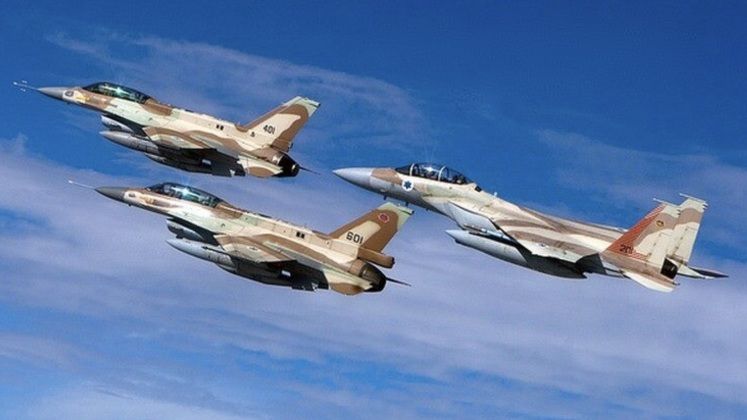
The attack on the Osirak reactor is until today widely seen as the Israeli Air Force’s finest hour. The operation made use of newly delivered fighters including eight F-16A Fighting Falcon and six F-15A Eagle jets. The F-15 was a more capable aircraft with superior sensors and a higher endurance, and the Eagles were assigned to escort the Falcons in case they were met in the air by Iraqi fighters. The F-16s carried Mark-84 bombs, and as the heavy munitions weighed 2000 pounds each only two could be carried per fighter. Iraq notably fielded some of the most capable combat jets in the Middle East - MiG-25 Foxbat heavy interceptors - which could seriously threaten the F-15s in combat as demonstrated in subsequent clashes. The disordered state of Iraq’s air defences, however, and the fact that its MiG-25s would not be put to effective use as interceptors for almost another decade until the early 1990s, meant that there was little threat to the Israel strike force. This contrasted with a later Israeli long range operation against Algeria, where MiG-25s were deployed to effectively deter an attack and force Israeli F-15s to return to base. Iraq's vulnerability thus came not due to a lack of equipment, but a lack of preparedness. Israel was the first overseas client for both the F-15 and the F-16, and continues to rely very heavily on both of these fighter classes today which between them comprise over 95% of its fighter fleet.
While attacks on the nuclear reactors of potential nuclear weapons states have been contemplated since 1981, no comparable operations are confirmed to have been carried out. Israel and India both considered preventatives strikes on Pakistani nuclear facilities, and Israel has also indicated a willingness to bomb Iranian nuclear facilities and has been involved in cyberattacks on the Iranian nuclear program. The U.S. also considered strikes on North Korea’s Yongbyon nuclear reactor under the Bill Clinton administration, and similar attacks on Korean nuclear facilities under multiple subsequent governments, but has ultimately been consistently deterred by the country’s vast military capabilities, high combat readiness, and high capacity for retaliation. Israel notably claimed it destroyed a Syrian reactor build by North Korea in 2007, although this claim was questioned by the head of the Nuclear Atomic Energy Agency and several other experts due to a lack of plutonium reprocessing plants or facilities to produce nuclear fuel in Syria which made claims of a nuclear weapons program highly questionable. With nine countries deploying nuclear weapons today, it remains to be seen whether further preventative strikes will ever be carried out to prevent other countries from developing such weapons in future.
