
Soviet MiG-25 Foxbat vs. American F-15 Eagle: Which Was Better in Air to Air Combat?
Military Watch Magazine Editorial Staff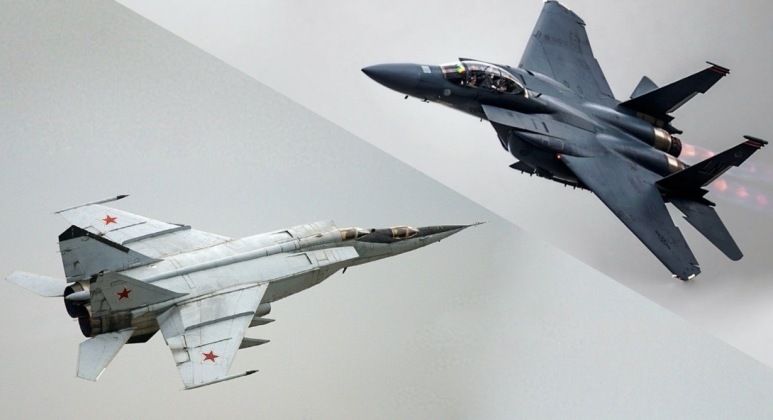
MiG-25 vs. F-15
Two leading combat jets of the Cold War era, the Soviet MiG-25 Foxbat heavyweight interceptor and the American F-15 Eagle air superiority fighter represented the heaviest and most capable aircraft for air to air combat in each respective Air Force for many years. The jets entered service in 1970 and 1976 respectively, with the Eagle’s design notably made heavier and more ambitious during development specifically to tackle the threat posed by the Foxbat. Although both aircraft were longstanding rivals, the two designs were very different. The Foxbat was much heavier than any class of fighter jet, requiring longer runways and more fuel, but could carry much larger weapons and fly much higher and faster. The aircraft was deigned primarily for long range air to air combat, deploying the most powerful air to air missile of it’s time the R-40, but was also adapted for other roles including suppression of enemy air defences as the specially equipped MiG-25BM and radiation sampling as the MiG-25RR to monitor the Chinese nuclear program. The F-15 was similarly designed primarily for air to air combat with a secondary air to ground role, although it lacked access to specialised munitions such as the R-40 and had to use much smaller missiles such as the AIM-7 Sparrow which were standard for American fighters. The Eagle partly compensated for its poorer air to air missiles with a longer range, the ability to take off from shorter runways, and overwhelmingly superior capabilities when fighting at shorter ranges where the MiG-25 was at its weakest.
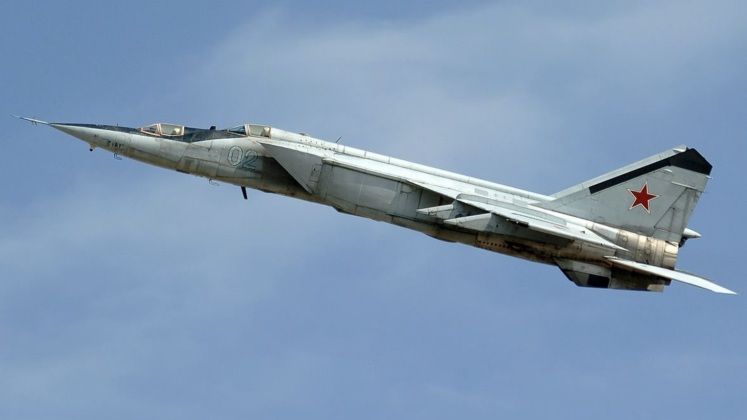
The MiG-25 and F-15 respectively weighed approximately 34,000kg and 20,000kg, although the F-15C initially could initially carry a more powerful radar despite this due to its higher fourth generation level technologies. The Eagle’s advantage was largely undermined by upgrades to the MiG-25 design under the MiG-25PD program - which brought the fighter to a fourth generation standard. Upgrades included integration the new Sapphire-25 airborne interception pulse doppler radar, which benefitted from technologies being developed for the MiG-31 Foxhound interceptor and revolutionised the Foxbat’s situational awareness with more power and a look-downs shoot-down capability allowing it to detect targets flying at altitudes of just 50 meters. The upgraded fighter also integrated a new infra red search and track system, an asset the F-15 would only integrate three decades later, as well as improved variants of the R-40 missiles and more advanced R-15BD-300 engines. The MiG-25PD and PDS aircraft were able to engage F-15s on far more equal terms by integrating fourth generation technologies.
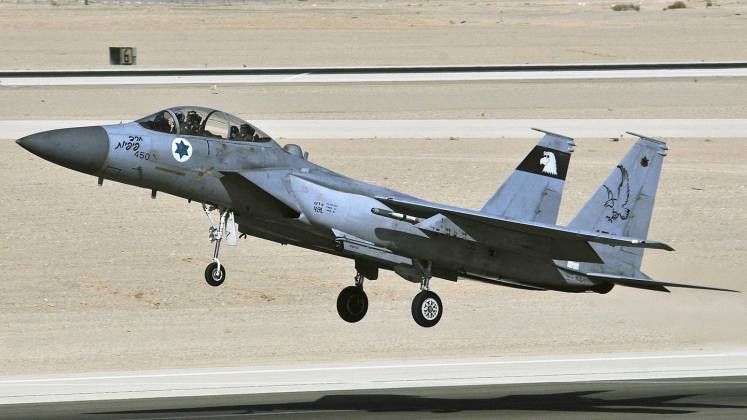
Although Foxbats from the Soviet Air Force never saw action against Eagles from the U.S. Air Force, export variants of the MiG-25 did engage both American and Israeli F-15s on some occasions. The MiG’s first export client, the Algerian Air Force, notably deployed the jets for patrols in the late 1980s which deterred Israeli airstrikes on the country using F-15s. Algeria not only had the best trained air force outside the communist world that operated the Foxbat, and had armed its jets with R-40 missiles, but the F-15s were also flying a very long sortie relying heavily on external fuel tanks and aerial refuelling meaning they were hardly well positioned to go up against a peer level adversary.
The MiG-25’s poorest recorded performance was in the hands of the Syrian Arab Air Force where a very small contingent was delivered as aid from the Soviet Union. The Israeli Air Force set up an ambush for the jets over Lebanon in early 1981 using RF-4 reconnaissance planes, and succeeded in drawing two Foxbats in to a closer ranged fight and downing a single one using F-15s and AIM-7F missiles. A second similar engagement took place later that year, with F-15s again scoring a single kill in close quarters. The superior training and intelligence of the Israeli Air Force, and its ability to engage the MiGs on its own terms in close quarters, were decisive in these engagements - although the fact that only two MiG-25 jets were ever shot down bears testament to their survivability given the massive losses the Syrian Air Force was taking in those years. Syrian sources have meanwhile claimed multiple shoot downs of Israeli jets by MiG-25s, although these were never verified.
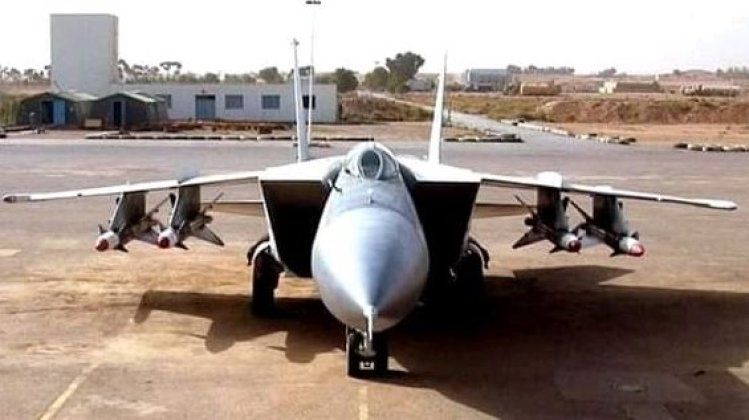
The most notable engagements between MiG-25 and F-15 jets took place during Operation Desert Storm ini 1991 - which pitted export variants of the MiG-25 operated by the Iraqi Air Force against F-15Cs fielded by the U.S. Air Force itself. On January 17th a unit of F-15s engaged two MiG-25s and fired 10 missiles at the Foxbats. The outnumbered Soviet built jets used their high speed to evade all attacks and return to base. The Eagles would have more luck two days later, engaging two MiG-25s at closer ranges and neutralising both. On January 30th, however, a MiG-25 hit an F-15 using an R-40 missile - with the Iraqi Air Force claiming the jet was shot down citing evidence of a wreckage in Saudi Arabia. Iraqi MiG-25s would later be engaged by two F-15Cs supported by two F-14s in January 1999, with the American jets firing six missiles all of which missed their targets.
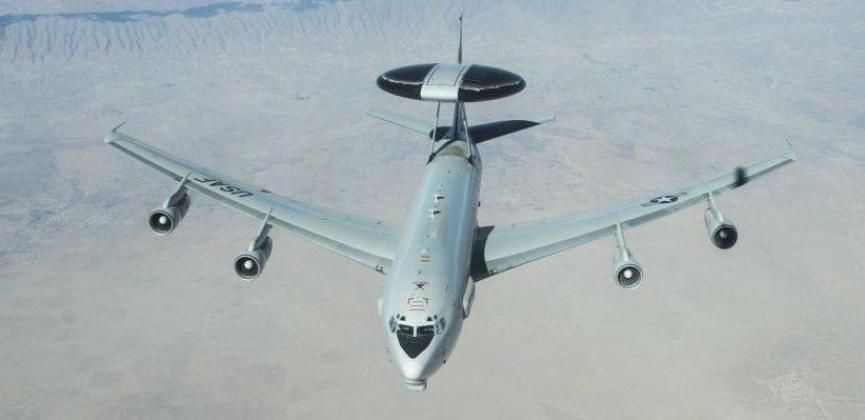
While American F-15Cs scored two hits against MiG-25s to the Iraq Air Force’s one against an Eagle, this was hardly a bad result for the Foxbat considering the odds against its during the conflict. This advantage went beyond the basic fact that the Foxbats and their missiles were downgraded export variants being operated by third world pilots against the most elite fighters and pilots in the NATO alliance, and that Soviet piloted MiGs would have stood a much better chance at coming out on top. Perhaps more importantly, the F-15s had access to support from E-3 Sentry Airborne Early Warning and Control (AWACS) jets, which guided around 95% of air to air missiles which hit their targets during Desert Storm. The Sentries not only provided valuable targeting data on Foxbats, but could also guide missiles to their targets ensuring a much higher probability of kill than would otherwise have been the case. Greater awareness of where Iraqi aircraft were at any specific time also allowed the U.S. Air Force to choose when and where to engage the Foxbats, preferably at shorter ranges, which was a game changing advantage in and of itself. The Iraqi Air Force lacked even basic AWACS or AEW aircraft meaning its MiG-25s had to rely on their radars to tackle the F-15s, and in the large majority of cases were not free to choose their battles.
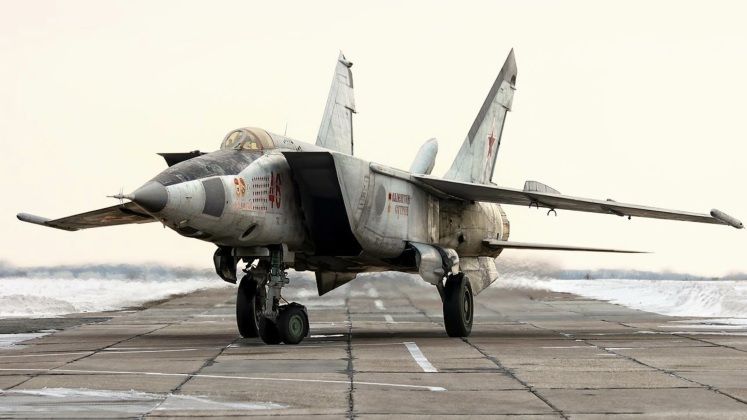
Looking to statics for each aircraft’s performance, it is not difficult to imagine that the MiG-25 could have enjoyed a not insignificant advantage over the F-15 had the two engaged one another on more equal terms - either both being domestic or both export variants and with both either having or lacking AWACS/AEW support. The MiG-25’s most notable advantage was its much higher speed and altitude, which not only made the Foxbat much harder to hit for F-15s, but also allowed the Soviet built jets to provide more kinetic energy to their missiles upon launch meaning they could travel much further and faster than they would have been if launched from a slower and lower flying jet. Furthermore, the R-40 missile had a longer range than the F-15’s AIM-7 Sparrow missile, at around 80-100km depending on the variant , even without accounting for the energy imparted by the aircraft upon launch which only widened the advantage favouring the Foxbat. The Foxbat’s R-40 missile was also a lot more dangerous and difficult to evade due to its extremely large 100kg warhead - with the AIM-7 deployed by the F-15 having a warhead of under 40kg.
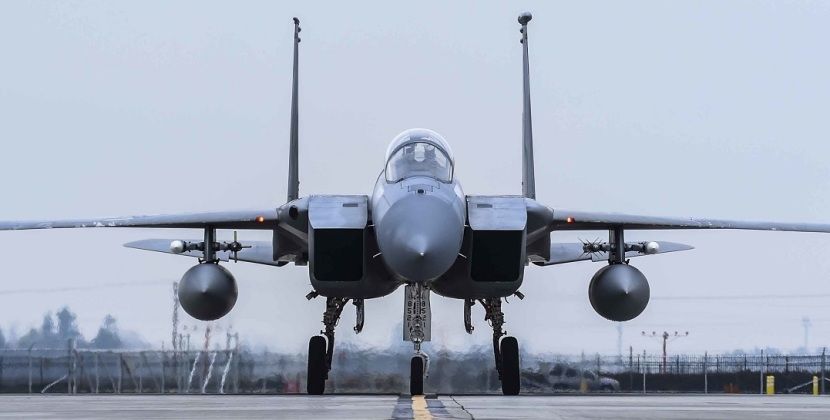
Ultimately the MiG-25 and F-15 were very closely matched aircraft despite the discrepancy in weight favouring the Soviet jet, although the circumstances under which the two did engage one another meant that the F-15 had a slightly better record. It is notable that Soviet operated Foxbats never saw combat, but if they had the results would likely have been very different particularly if they had enjoyed AEW support - and significantly moreso if they had engaged F-15s from an Arab export client such as Saudi Arabia rather than those from a first world air force. Claims of the F-15’s superiority by Western sources have largely been made on the basis of engagements against Syrian and Iraqi jets in very unequal clashes, during which Foxbats still proved extremely survivable and evaded the vast majority of missile attacks while scoring at least two kills of its own against American fighters. The F-15 would, however, see a much longer production run in the U.S. where it remains the heaviest fighter in production today - and arguably the most capable in air to air combat.
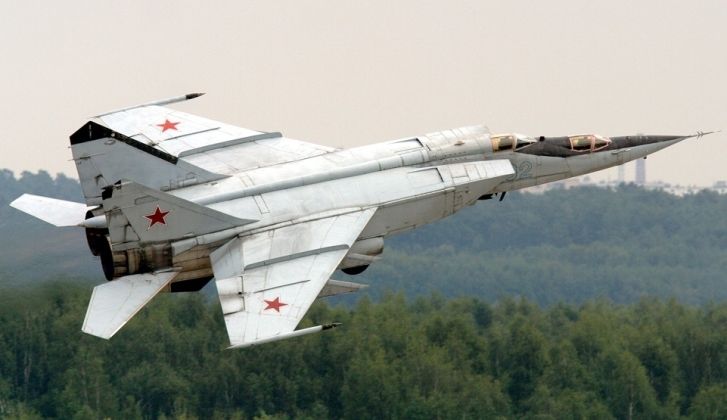
Although the MiG-25’s airframe had considerable potential, the collapse of the Soviet Union meant that funds for modernisation were slashed and much of the fleet had to be retired far ahead of schedule - leaving the F-15 to draw ahead by integrating new generations of air to air missiles, sensors and avionics. The decision not to invest more in the MiG-25 was also influenced by the fact that, while the F-15 was the most capable jet in any Western air force in air to air combat, the Foxbat by the mid 1980s had already been superseded by newer designs including the MiG-31 Foxhound interceptor, sometimes refereed to as a ‘Super Foxbat,’ and by the Su-27 Flanker heavyweight fighter. Had there been no Foxhound or Flanker programs, however, it is likely that the Foxbat would have taken a similar courses to the F-15 and been extensively modernised over subsequent decades to engage new generations of American aircraft.
