
Iran Adopted Innovative New Missile and Drone Strike Tactics to Exploit U.S. Air Defence Weaknesses
Military Watch Magazine Editorial Staff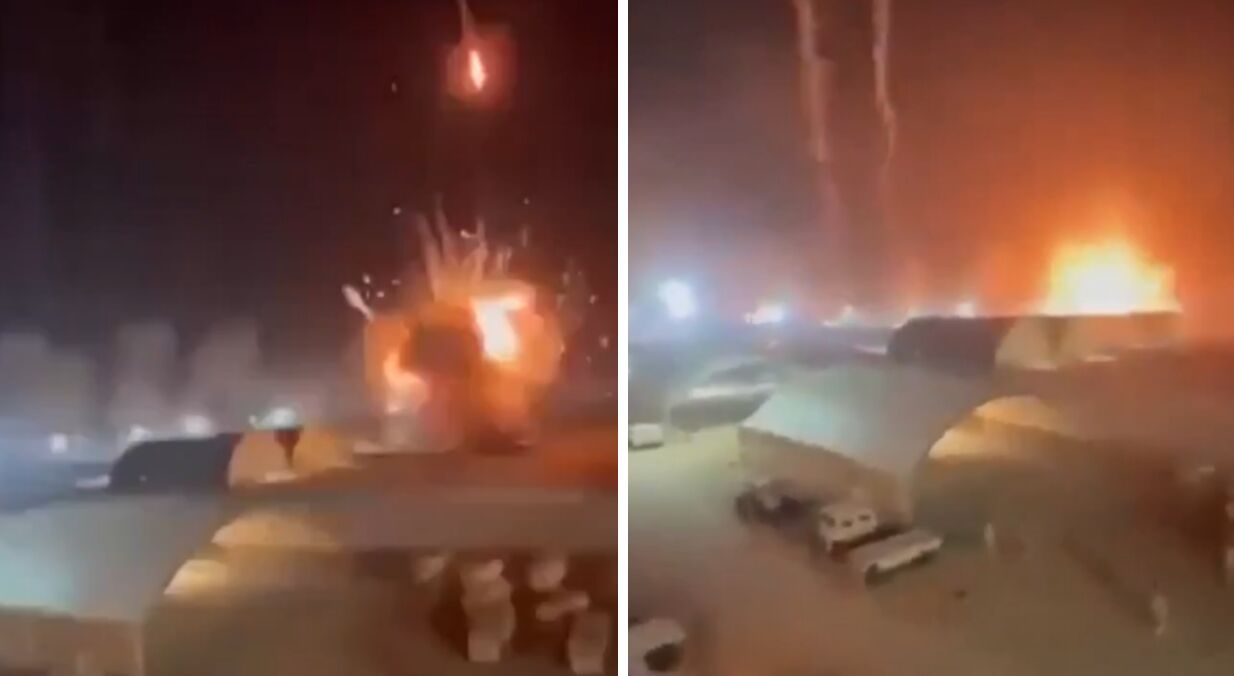
The Iranian Islamic Revolutionary Guard Corps (IRGC) progressively refined its missile and drone operations during the the first five months of hostilities with the United States, allowing it to exploit weaknesses in American air defenses while simultaneously forcing Washington to expend increasingly scarce interceptor missiles. Sources cited by The New York Times reported that this involved using increasingly sophisticated combinations of missiles and drones to complicate the U.S. defensive response, which was particularly significant because the United States was simultaneously expending unsustainably large quantities of its air-defence interceptors.
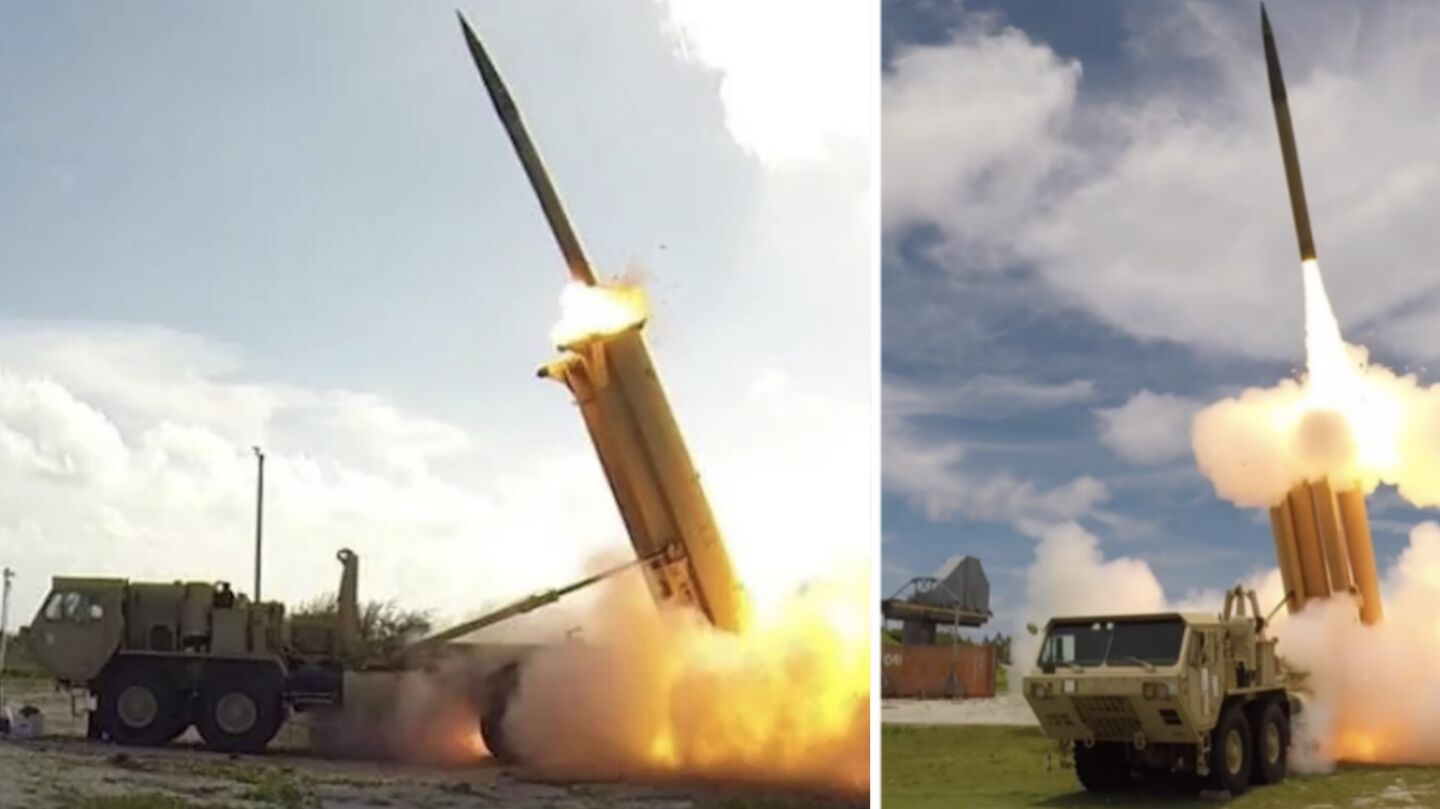
U.S. assessments indicate that the Iranian strategy aimed not merely at destroying individual targets, but at creating an unfavourable cost and ammunition-exchange ratio in which relatively inexpensive Iranian weapons could force the United States to employ considerably more expensive defensive missiles. During a five-day period in June, Iran launched successive waves of drones and missiles against U.S. forces at three bases in Jordan. The attacks were reportedly designed to overwhelm American defences through the volume and variety of incoming weapons. The IRGC also employed missiles capable of suddenly changing course, complicating the task of American interceptors and forcing defenders to react to weapons whose trajectories could not be treated as straightforward ballistic paths.
The new tactics represented an evolution from simply launching large numbers of missiles toward a target. By incorporating weapons capable of changing their trajectory, Iran could increase uncertainty for the defending force and potentially force the expenditure of interceptors against threats that might otherwise have been ignored or engaged later. The approach also exploited one of the fundamental challenges of modern air defence: defenders must generally assume that an incoming missile or drone could represent a genuine threat until its trajectory becomes sufficiently clear. An attacker can therefore attempt to impose costs simply by creating multiple credible threats, even when only a fraction of the weapons ultimately reach their targets.
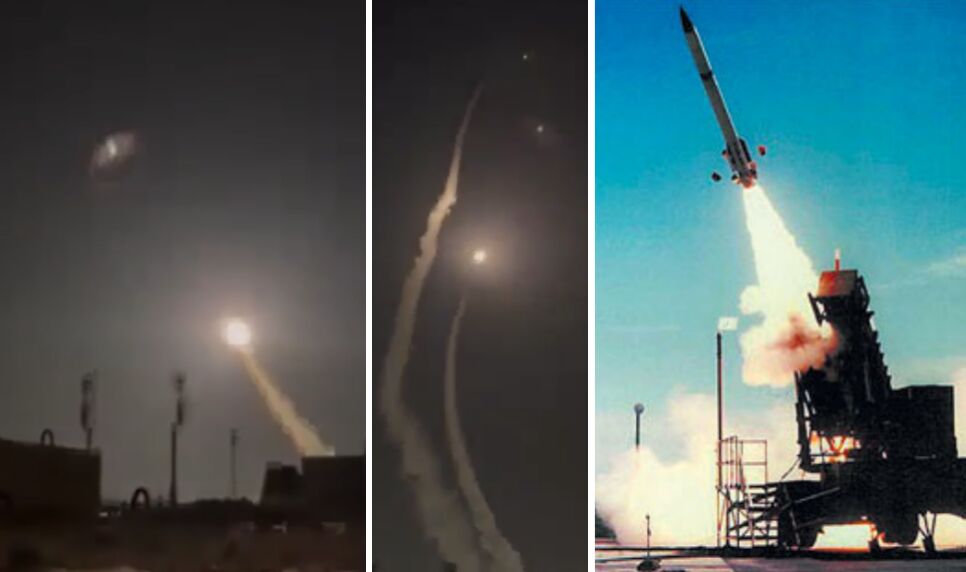
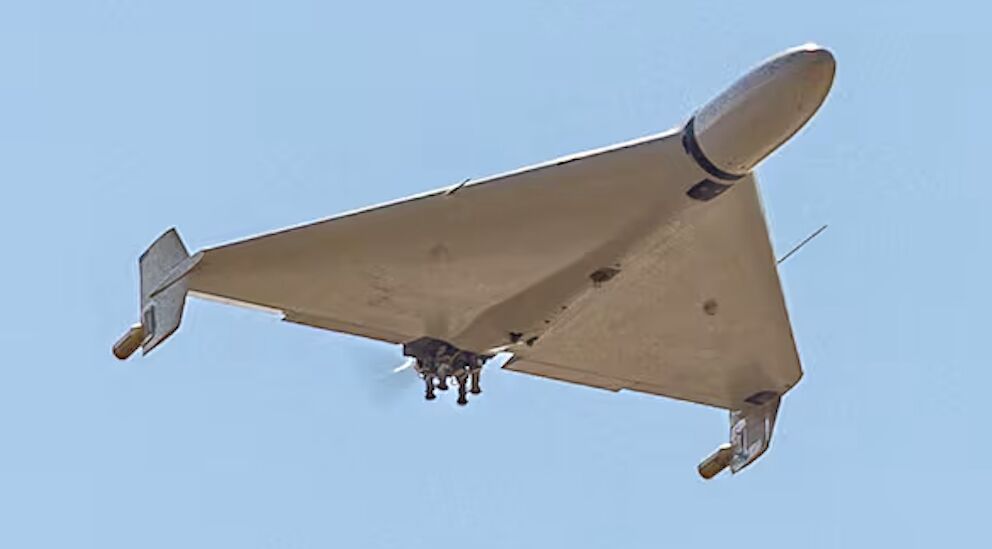
The use of drones is particularly well suited to Iran’s new strategy. Iranian one-way attack drones are significantly cheaper and easier to produce than Patriot interceptors. When large numbers are launched alongside ballistic missiles and other weapons, they can force defenders to divide their attention and potentially expend sophisticated interceptors against a mixture of threats. The inclusion of missiles capable of changing course adds another layer of complexity. A conventional ballistic missile follows a broadly predictable trajectory after its boost phase, allowing sophisticated sensors and command systems to calculate a likely impact point. A missile capable of manoeuvring during flight can reduce the defender’s reaction time and increase uncertainty over its intended target.
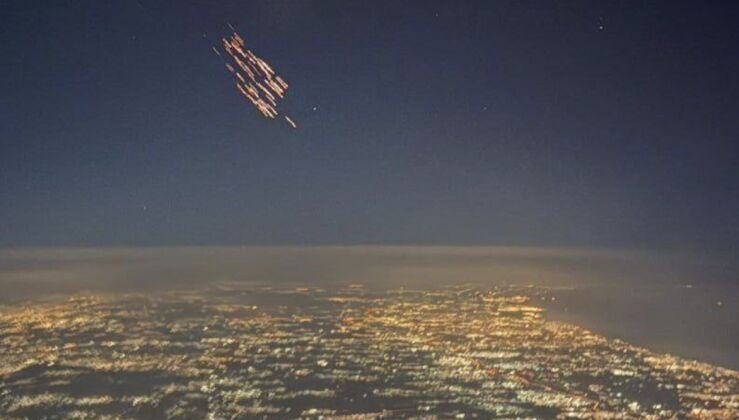
Iran has made use of a wide range of missile and drone types to engage targets, with the highest priority targets struck with more complex and costly missile types, such as the Fattah 2, which integrates a hypersonic glide vehicle that is nearly impossible to intercept. A further key element of its strategy has been the Islamic Revolutionary Guard Corps’ destruction of several billion dollars’ worth of high value air defence radar systems, including the AN/FPS-132 radar in Qatar, and two AN/TPY-2 radars in Jordan and the United Arab Emirates. This served as a force multiplier for wider attacks.
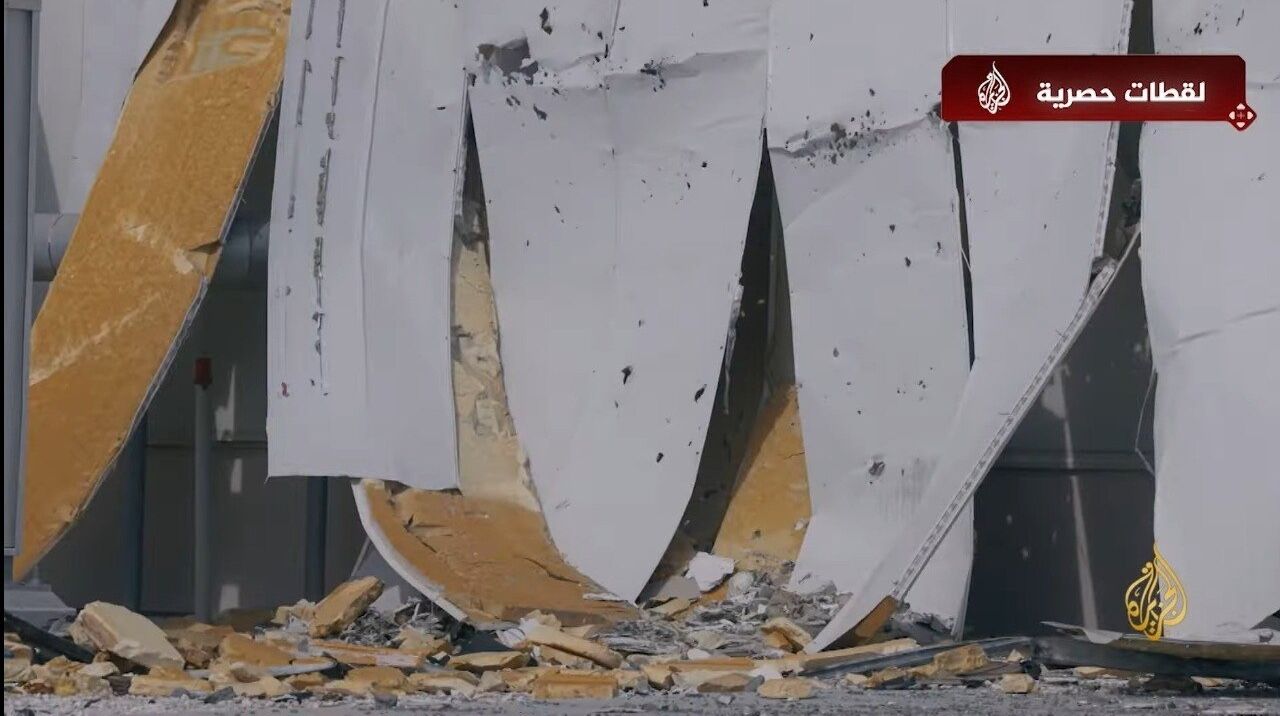
The effectiveness of the evolving Iranian tactics was demonstrated most dramatically on July 17, when an Iranian strike in Jordan hit a housing facility at a U.S. base, causing multiple casualties including deaths. Preceding this, however, the Israeli paper Haaretz in late March confirmed that 80 percent of Iranian missiles launched against Israeli targets were impacting successfully, following the publication of growing quantities of footage pointing to the failures of Israeli and U.S. ballistic missile defences. While the U.S. initially sought to secure its facilities by destroying Iran’s missile forces on the ground, the effective fortification of the arsenal and associated personnel, factories, and bases underground with North Korean support is highly challenging. Iran’s demonstrated ability to rapidly restore its missile bases have ensured a continued ability to retaliate against U.S. attacks.
