
India Proposes Joint Stealth Fighter Program with France After Pan-European Development Collapses
Military Watch Magazine Editorial Staff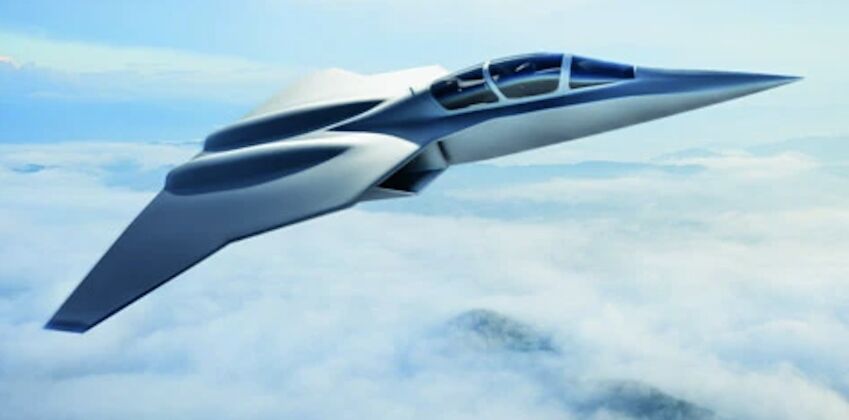
Future Combat Air System Fighter - Artwork
The Indian Ministry of Defence has formally confirmed that New Delhi is seeking to join the French-led Future Combat Air System (FCAS) program, marking a potentially major shift in India’s approach to the development of its next generation combat aircraft. In a report submitted to the Indian Parliament, the ministry stated that it had “initiated efforts in a concerted manner” to co-join the program spearheaded by the French government. The confirmation follows reports dating back to February that India was exploring cooperation with France on the program.
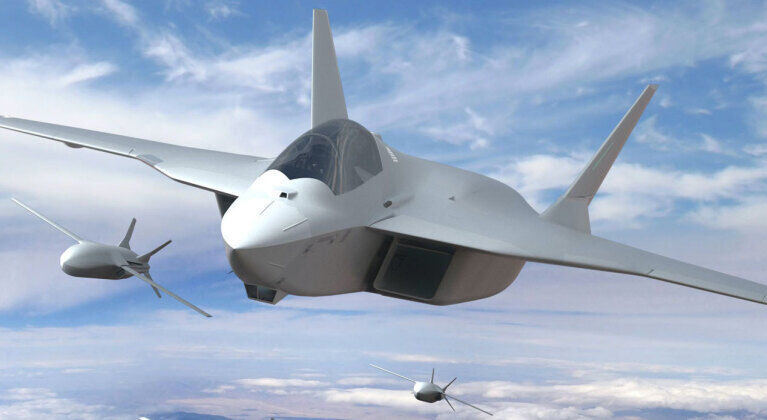
The timing is particularly significant because the original Franco-German FCAS fighter project effectively collapsed in June 2026, after years of disagreements between France’s Dassault Aviation and Germany’s Airbus. India replacing Germany as a secondary partner in the program could significantly increase its viability. For France, its particularly high emphasis on strategic autonomy, long-range strike, nuclear deterrence and the ability to operate naval aircraft from its aircraft carriers, have the potential to be significantly more compatible with India’s own requirements than those of other European states.
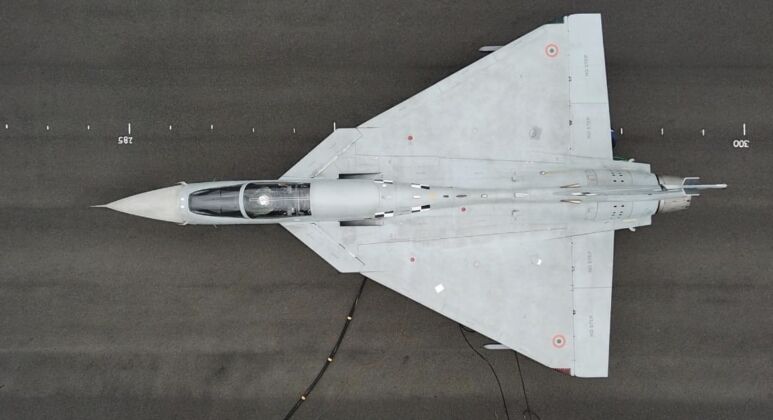
European fighter programs have long suffered from poor cost effectiveness compared to those in the United States, China, and Russia, with cooperation with India which has far lower labour costs having the potential to address this. Nevertheless, Indian industry has itself demonstrated considerable inefficiencies and delays, as most clearly demonstrated in its fourth generation program, the Tejas, which made its much delayed first flight on January 4, 2001, and took a further 18 years to enter service in a limited capacity in February 2019. Su-30MKI fighters licence produced in India cost close to twice as much to procure than those built in Russia, in large part due to inefficiencies in the local aviation industry. It remains highly uncertain to what extent France and India may be able to improve their aviation sectors’ performances through cooperation.
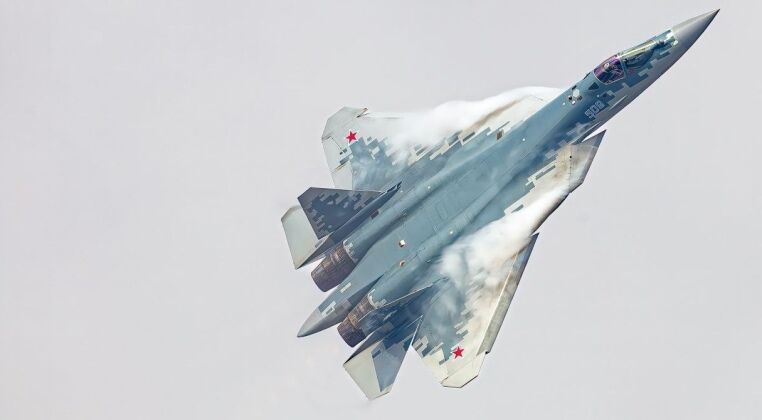
For France, bringing India into the FCAS program could not only provide much needed funding and economies of scale, but could also provide a key means of further increasing pressure on Russia’s defence sector, which is currently poised to be the Indian Air Force’s only supplier of fifth generation fighters until the 2040s. It was confirmed in February 2025 that a licence production deal for the Su-57 fifth generation fighter was being considered, while the Indian Defence Ministry in January 2026 confirmed that these talks had reached an advanced technical stage. It remains uncertain how a joint program with France could affect India’s current AMCA fifth generation fighter program, which has in some respects reached more mature stages than its European rival.
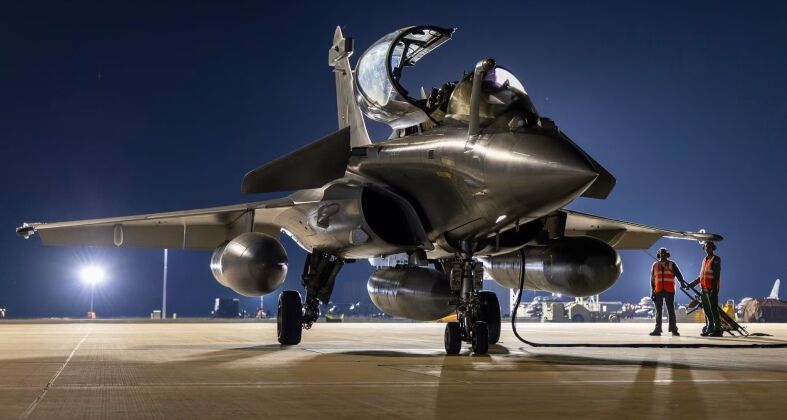
France and India’s ability to cooperate on a joint program remains in serious question, with France having proven highly reluctant to share technologies even from its Rafale fourth generation fighter, which entered service in 2001 and is currently considered far from cutting edge. Access to the Interface Control Document, the source code allowing access to the heart of the aircraft's avionics, has reportedly become a particularly critical point of contestation, with India having also been refused access to the source code governing the Rafale’s main avionics, including its electronic warfare suite and the SPECTRA defensive aids package. This has been key to preventing the Rafale program from achieving its largest ever foreign sale.
