
France’s Refusal to Share Key Rafale Fighter Source Codes Leads India to Threaten Withdrawal From Talks
Military Watch Magazine Editorial Staff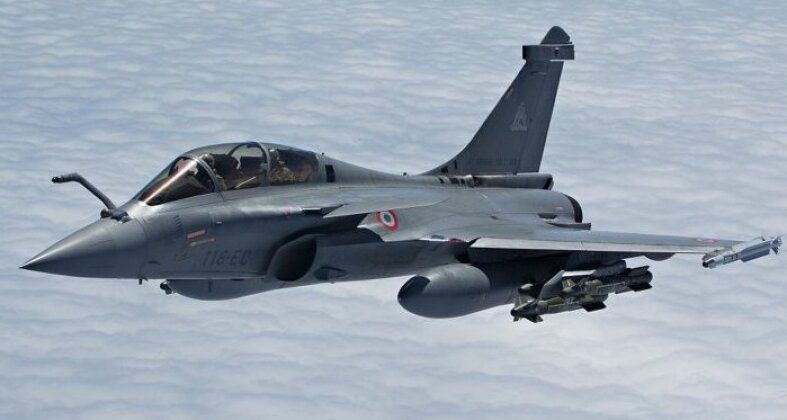
Rafale Fighter
The Indian Defence Ministry has threatened to abandon talks for the procure too 114 Rafale fourth generation fighter aircraft, according to multiple media sources, as French negotiators refuse to meet key terms related to local license production, access to source codes, and technology transfers. Access to the Interface Control Document, the source code allowing access to the heart of the aircraft's avionics, has reportedly become a particularly critical point of contestation, with French negotiators reportedly offering alternatives that have remained far from meeting Indian requirements. Reports of an impasse follow reports in late February from French sources that India had been refused access to the source code governing the Rafale’s main avionics, including its electronic warfare suite and the SPECTRA defensive aids package.
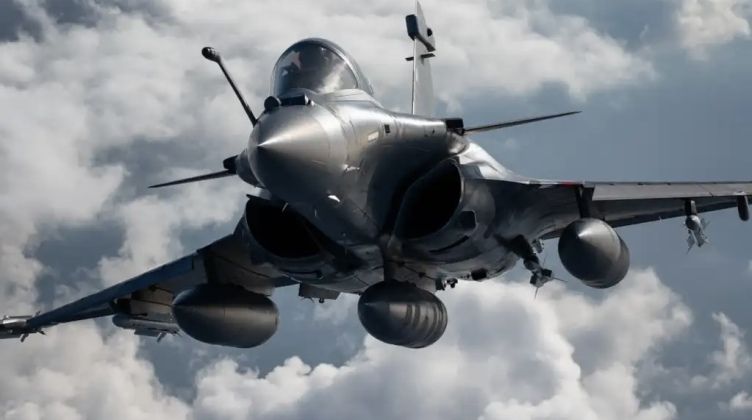
While the procurement of Rafale was approved by the Indian Defence Procurement Council in February 2026, the Defence Ministry has imposed extensive requirements for technology transfers and domestic manufacturing and assembly under the Make in India program. The stated objective is to produce Rafale that are 60 percent locally produced, and to facilitate indigenous maintenance and repair capabilities for the M88 engines. A further key requirement is to allow for the seamless integration of Indian weaponry, which is among the reasons why a high degree of access to source codes is required.
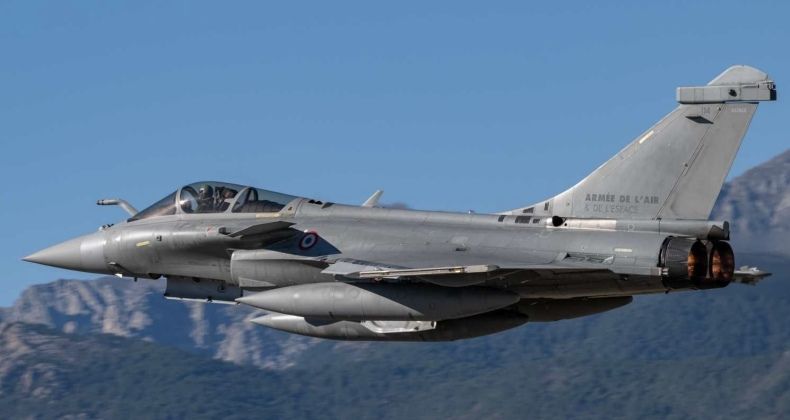
Access to the Rafale’s Interface Control Document has been linked to requirements for digital sovereignty in India’s national security, with the extent of Indian demands, and France’s consistent unwillingness to meet them, leading analysts to increasingly predict that a deal will not go through. Full access to source codes would not only allow for high degrees of autonomy in operating the Rafale fleet, but would also provide freedom to develop software, update electronic warfare equipment, and integrate national systems. This would allow the Indian defence sector and the Air Force to avoid the additional costs and delays that have ensured when seeking to work with French personnel to jointly integrate non-French subsystems or armaments.
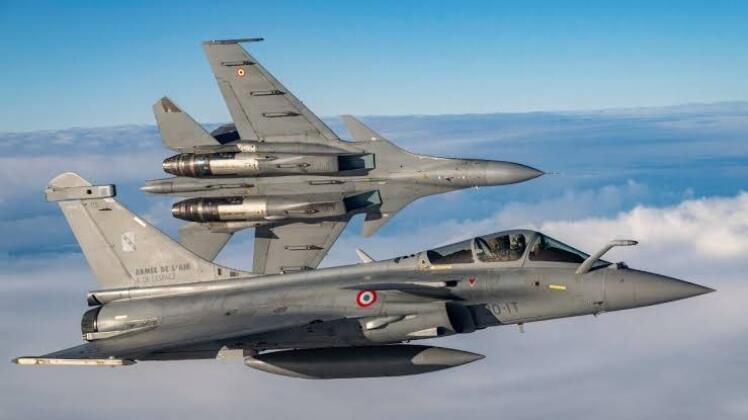
Indian media outlets have widely reported that Defence Ministry negotiators have made it unequivocally clear that if access to the Interface Control Document is denied, Indian authorities are prepared to halt negotiations. India has considerable leverage to present such terms due to Russia’s willingness to provide full source code access for its own fighters, including not only the Su-30MKI, which is a ‘4+ generation’ fighter like the Rafale, but also the Su-57 fifth generation fighter. For France, the need to secure a sale has considerable strategic implications, not only due to the considerable revenues that it will provide the country’s defence sector, but also due to the perceived need to reduce Russia’s market share to complement the effects of Western economic warfare efforts against the country, in which Paris is playing a leading role.
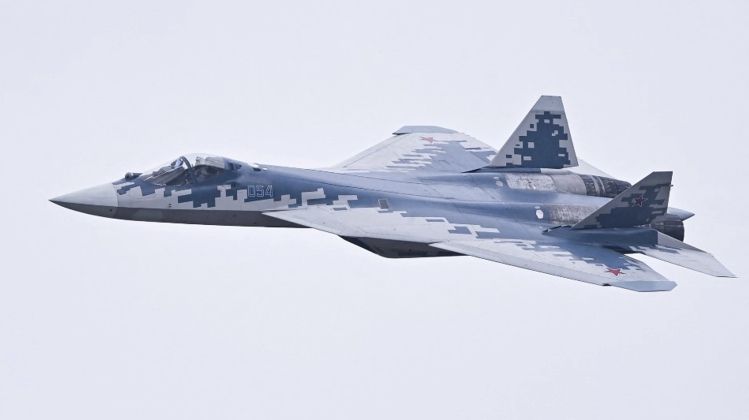
While other clients for the Rafale have not faced Russian competition, due to Western Bloc political pressure which has locked Russian fighters out of key markets from Indonesia to the United Arab Emirates, India’s resilience to sanctions threats has posed a challenge to French efforts to market the aircraft. The Russian Defence Ministry in June 2025 was reported to have made an unprecedented offer to provide full access to the source code of the Su-57 fifth generation as part of a license production deal., which would place Indian Su-57s entirely in a league of their own among fighters of their generation in their levels of customisability and the degree to which they can integrate indigenous technologies. It was confirmed in February 2025 that a license production deal for the Su-57 was being considered, while the Indian Defence Ministry in January 2026 confirmed that these talks had reached an advanced technical stage.
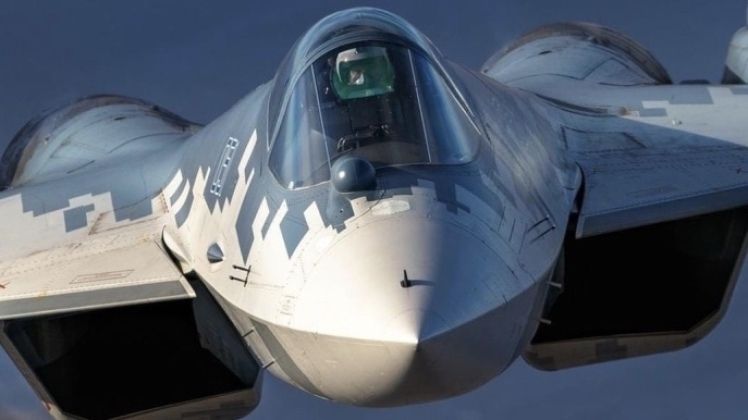
Following confirmation from the state intermediary agency for Russian defence exports Rosoboronexport that multiple countries have placed orders for the Su-57, analysts have widely assessed that India is likely to have already ordered an ‘off the shelf’ batch of the aircraft to modernise its fleet before a license production agreement is implemented. Director of the Russian Federal Service for Military-Technical Cooperation Dmitry Shugayev in December alluded to the possibility of such an agreement reaching the stage of a fully joint program, providing the Indian defence sector with joint ownership of key technologies, which would draw a stark contrast to French restrictions on technology sharing and operational autonomy. It remains highly possible that in the face of Western pressure to reduce its reliance on Russian armaments, the Indian Defence Ministry is aware that France will not provide comparable source code access to that Russia is offering, and will be able to present French refusal to do so as justification for its continued reliance on Russian armaments when facing future pressure.
