
How Capable are America’s Missile Defences? Why They Can’t Stop a Korean Hwasong-15 or Russian Sarmat
Military Watch Magazine Editorial Staff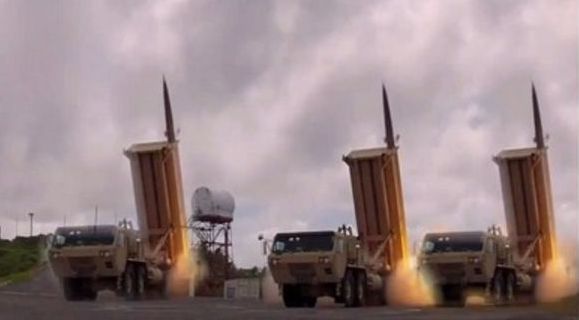
THAAD Surface to Air Missile Batteries
Since the early years of the Cold War the U.S. military has invested heavily in developing missile defences capable of intercepting enemy ballistic missiles, particularly those with intercontinental ranges (ICBMs) used for nuclear delivery by the Soviet Union, before they could strike the American mainland. Ballistic missiles, alongside fighters, bombers and in later years cruise missiles, were all viewed as potential threats - but while combat aircraft such as the F-4 Phantom were considered capable of intercepting fighter and bomber attacks, missile attacks required specialised ground based defences to neutralise them. Shorter ranged tactical air defence systems were later developed to protect sites such as military bases and ports from short range strikes by tactical ballistic and cruise missiles, with the MIM-104 Patriot entering service in the late 1980s for this purpose. The U.S. military is today an undisputed leader in air defence technologies among the Western powers, and its air defence systems have been widely exported across the world from Japan and South Korea to Israel, Saudi Arabia and Eastern Europe. Unlike the USSR and China however, American air defence systems have been overwhelmingly focused on intercepting missile attacks - ballistic missiles in particular - with relatively little attention paid to developing missile systems with anti aircraft capabilities. The last specialised surface to air missile system, other than handheld systems such as the FIM-92 Stinger, was the MIM-23 Hawk which was retired from U.S. Army and Marine service in 1994 and 2002 respectively.
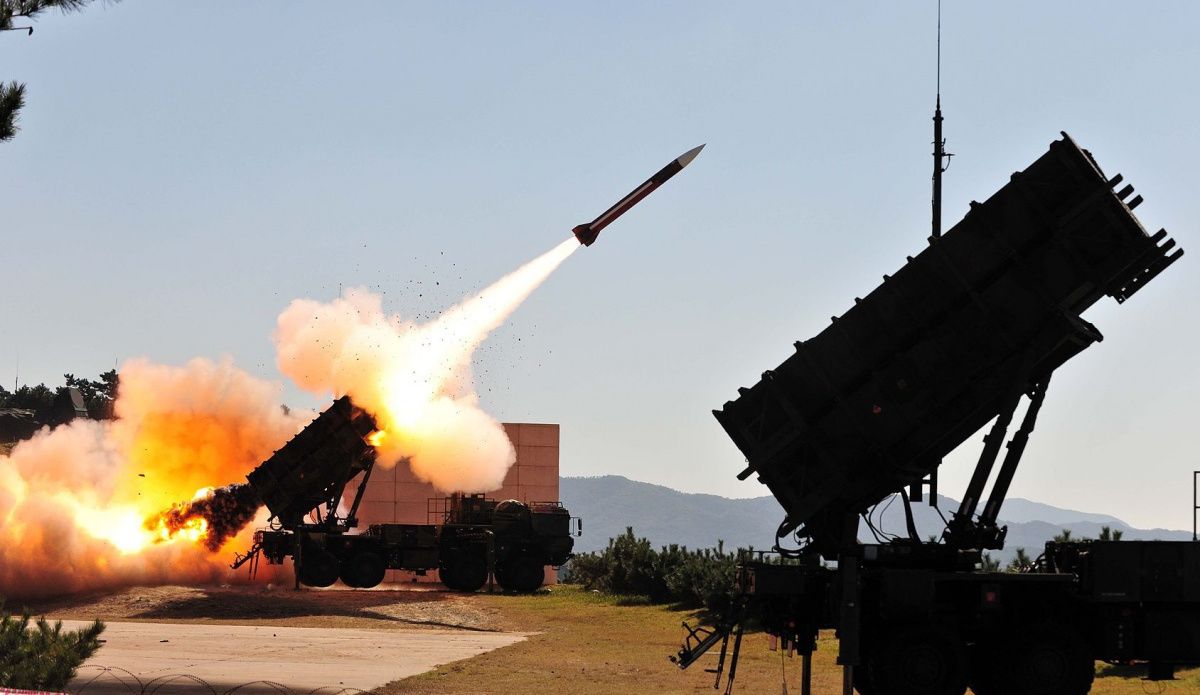
The American air defence network is today comprised of four major systems - all of which are heavily specialised in missile defence. These include the Patriot, the longer ranged AEGIS and AEGIS Ashore systems, the high altitude THAAD system and the GMD deployed exclusive to the U.S. mainland. Of these only the Patriot is capable of performing an anti aircraft role, though its capabilities in such a role remain limited - with its hot launch system in particular limiting its degree of engagement relative to cold launch platforms such as the S-300 and KN-06. The four American systems in service are all designed to hit enemy missiles in the post-mid-course or terminal phases on a trajectory towards the defending system - as they lack the altitude needed to intercept ICBMs in their earlier stages. This was why the North Korean missiles flight tested over Japan in 2017, which flew at altitudes of 770km, could not be intercepted by either the Patriot missile batteries or the AEGIS systems deployed by Japanese and American warships. Even if the higher altitude THAAD system, currently stationed in South Korea and Guam, had been deployed to Japan it would have been unable to intercept the missile.
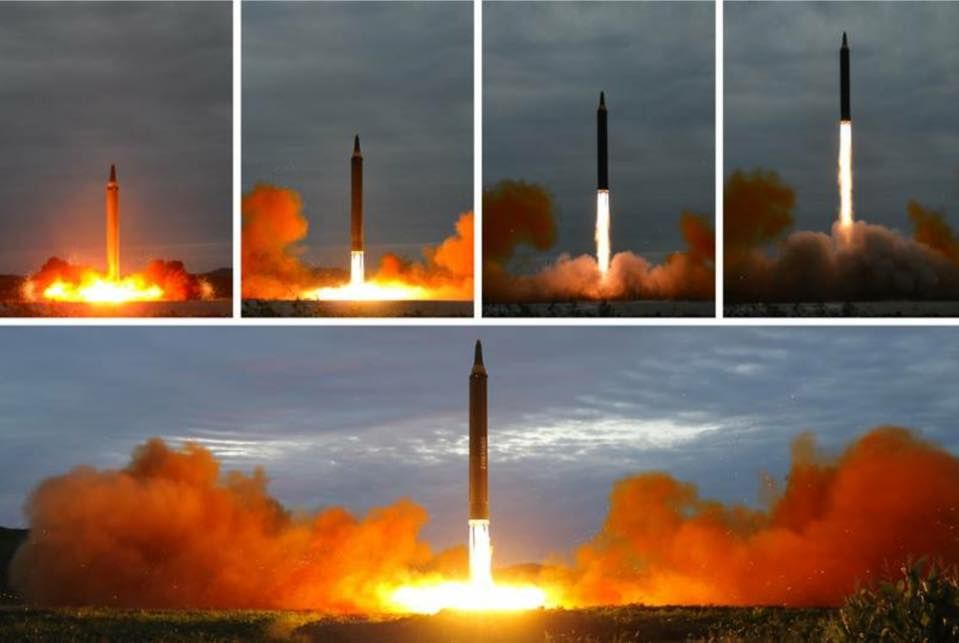
While the possibility has been raised of striking missiles on their ascent before they reach high altitudes, this would require the U.S. Navy to deploy AEGIS equipped warships to North Korean waters and would further require considerable warning of the missile launch and the precise location and trajectory of the ICBM. Even then, given the speed of the missiles on their ascent, the probability of interception remains close to zero as the intercepting munitions would be required to chase their targets. As astronomer Jonathan McDowell noted in 2017 regarding the possibility of interception of the Korean missiles: “When over Japan, they are too high to reach… You’d have to put the AEGIS right off NK coast to have a chance.” The New York Times' deputy editor for Asia Gerry Doyle reached the same conclusion, writing: “It’s actually virtually impossible to shoot down a missile on the way up… Midcourse or terminal are the only places you have a shot.” With the possibility for interception on ascent or in mid course stages ruled out, the viability of U.S. missile defences rests heavily on their ability to intercept missiles when they are at their fastest - upon their descent to their targets.
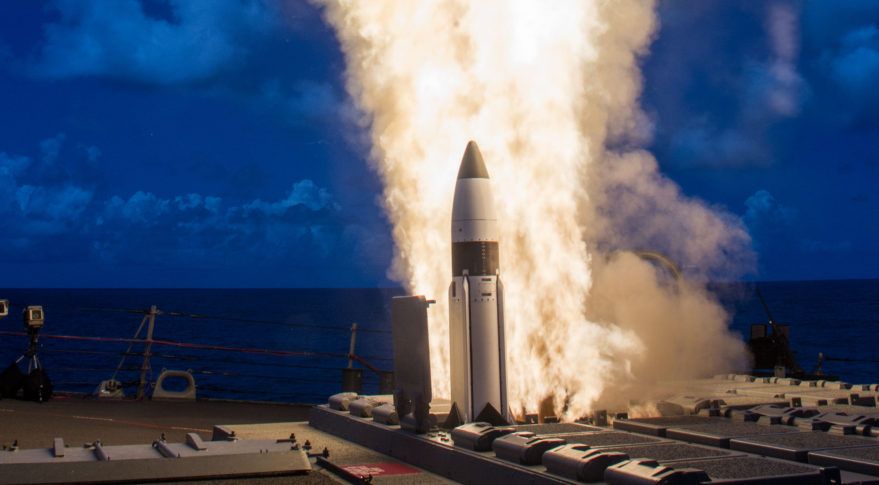
The ability of U.S. missile defences to intercept even basic ICBMs on their descent remains highly limited, as demonstrated by their performance in testing. Tests of THAAD, Patriot and Aegis have been simplified, carefully staged and designed for success using mostly short-range targets - far from realistic test conditions. Not only will ICBMs travel faster and follow very different trajectories to the targets so far used in testing, but they will also employ a number of countermeasures to further complicate escalation. North Korea will not provide U.S. air defences with adequate warning to prepare its missile defences, will not provide extact details on the warhead type, will shoot more than one missile, and will attempt to spoof defences with decoys, jammers and cloud chaff
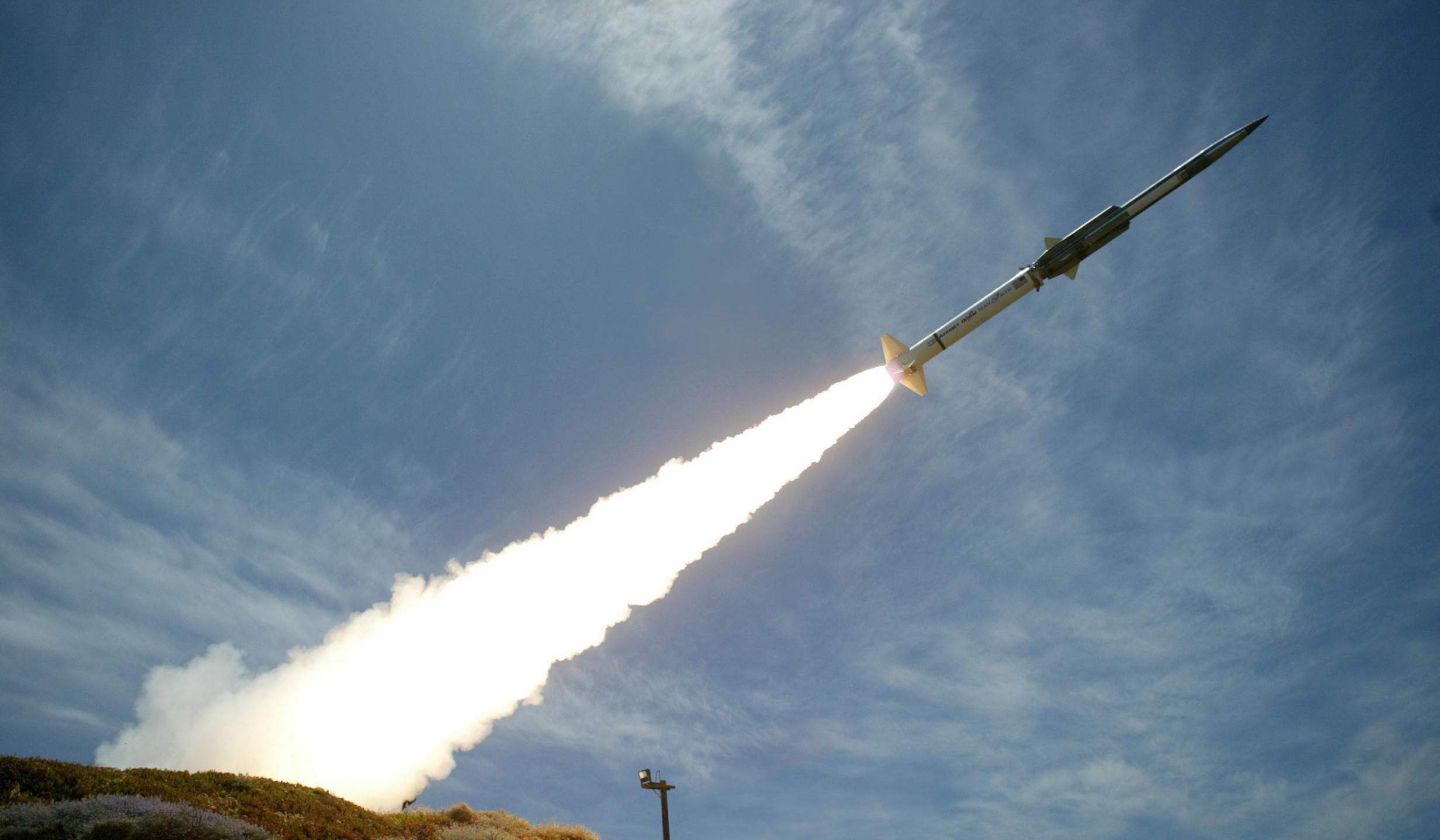
Even under ideal conditions, the chances of interception a Korean intercontinental range ballistic missile such as Hwasong-14 or Hwasong-15 remains low. Even if just a single missile were launched, and the U.S. were provided with adequate warning to prepare its defences, and if the warhead looked exactly as the U.S. military expected, and if the Koreans did not try to spoof the defenses with decoys that looked like the warhead or block the defense with low-power jammers - or hide the warhead in a cloud of chaff - or blind the defense by attacking the vulnerable radars, then American defences are estimated to have a 50% chance of intercepting the missile. Realistically speaking however, the chance of intercepting a Korean ICBM - making use of multiple decoys, jammers and other countermeasures to interception and firing an unknown warhead at an unpredictable time - would most likely be able to bypass American defences at least 95% of the time - more if only a single interceptor is used. As for hypersonic missiles such as the Russian Avangard, which rather than free falling from space relying on gravity are powered down to earth at over twenty times the speed of sound, chances of interception remain close to zero. Whether the United States will be able to adapt to this growing vulnerability, possibly by developing more capable radars to track faster missiles and completely overhauling its means of interception using directed laser weapons to replace slower and less precise surface to air missiles, remains to be seen.
