
France Prioritises Rafale F5 Upgrades: Why They Aren’t Enough to Keep the Fighter Viable
Military Watch Magazine Editorial Staff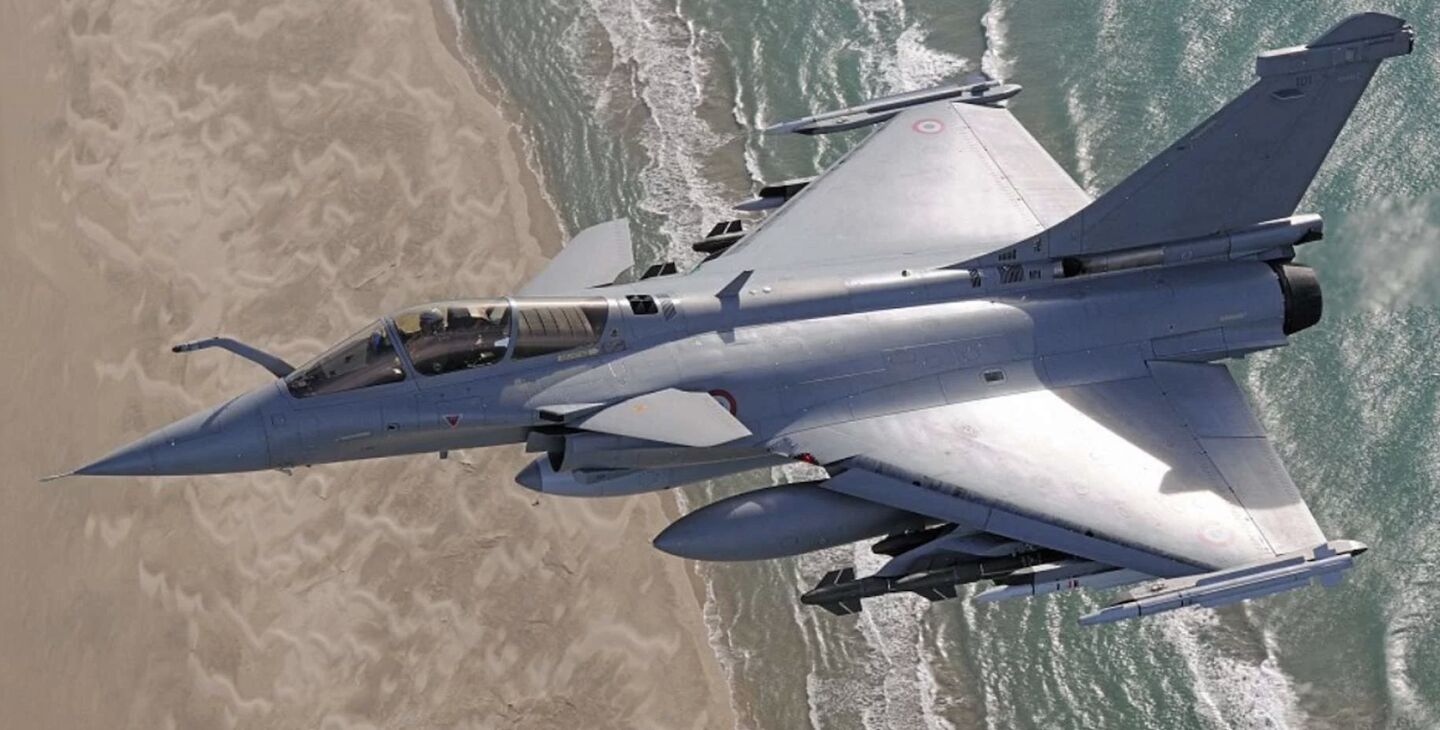
Rafale Fighter
The French defence sector has accelerated development of the Rafale F5 following the effective collapse of the Franco-German Future Combat Air System (FCAS) next generation fighter program that had been intended to provide a peer competitor to the U.S. F-35. The decision is set to make the Rafale F5 considerably more important to French air power than originally envisaged, with the aircraft now expected to provide a high-end combat capability well into the 2030s. This occurs at a time when the future of the country’s combat aviation sector beyond the fourth generation is considered increasingly uncertain.
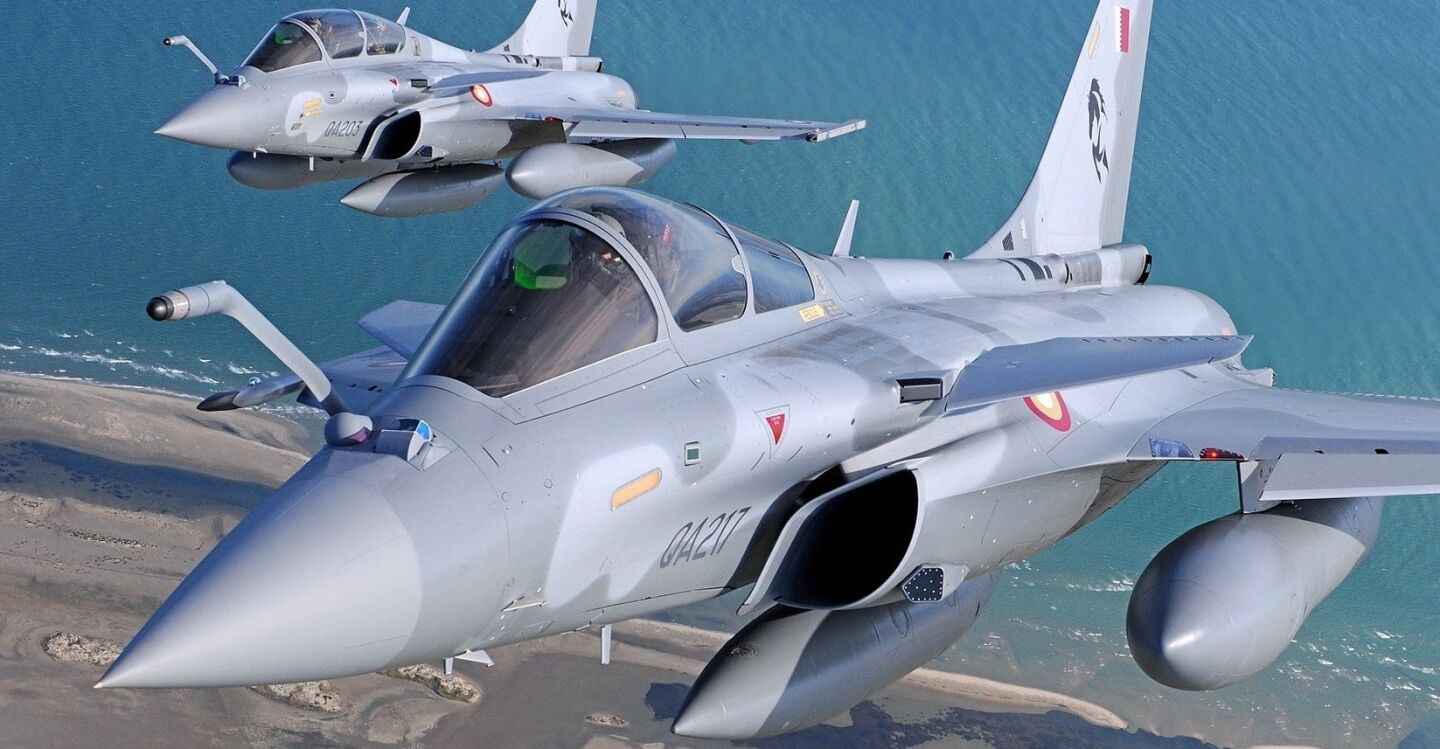
The French defence procurement agency, the Direction generale de l’armement (DGA), has already awarded initial contracts for development work on some of the highest-risk technologies for the Rafale F5. Dassault Aviation, Thales, MBDA and Safran are involved, with work covering the aircraft’s navigation system, radar, electronic warfare suite, communications and propulsion. The enhanced fighters are projected to begin entering service in 2033. The F5 will introduce major changes to the systems responsible for detecting threats, processing information, conducting electronic warfare and communicating with other platforms, allowing the aircraft to operate as part of a much wider network of crewed and uncrewed combat systems.
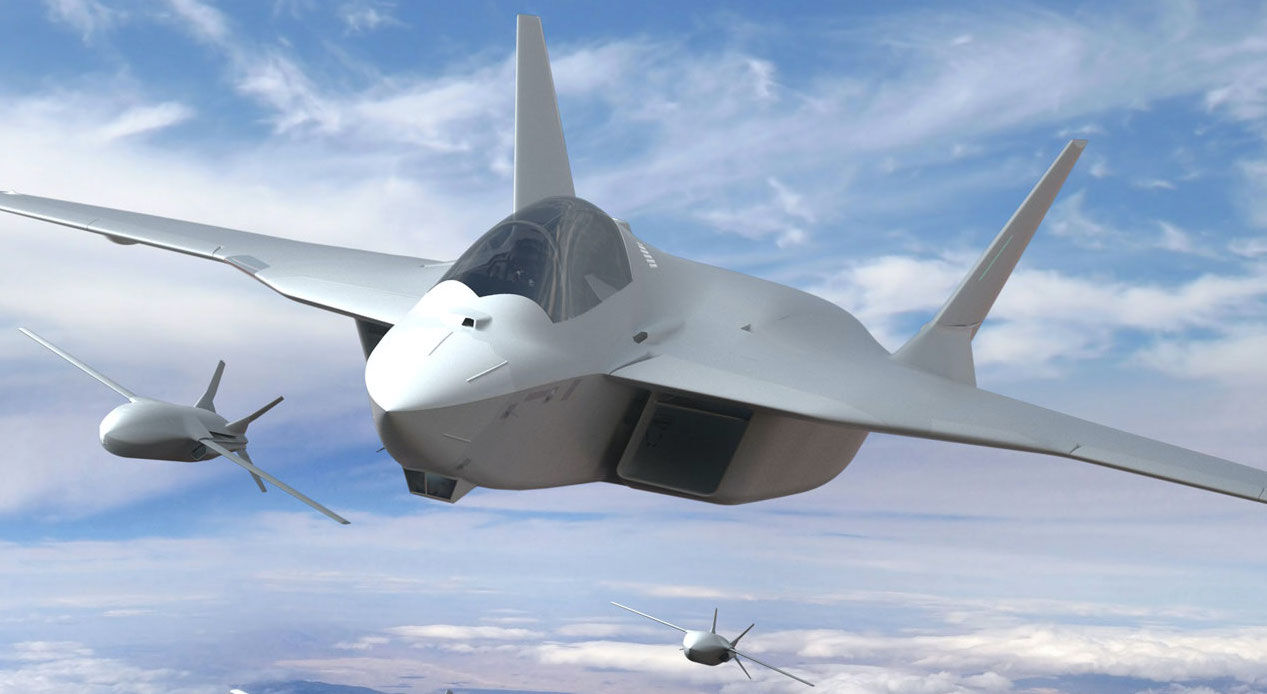
French assessments have highlighted the significant struggles faced by the Rafale in an era where aerial warfare is increasingly dominated by fifth generation capabilities, reflecting on feedback from pilots. The paper stresses that while stealth alone doesn’t guarantee air superiority, it provides an extremely important advantage in the most demanding scenarios. The technological asymmetry is increasingly clear, with French pilots regularly facing fifth generation fighters in joint exercises observing: “The combat mission against stealth fighters on the Rafale is impossible to win with the sensors in their current state.”
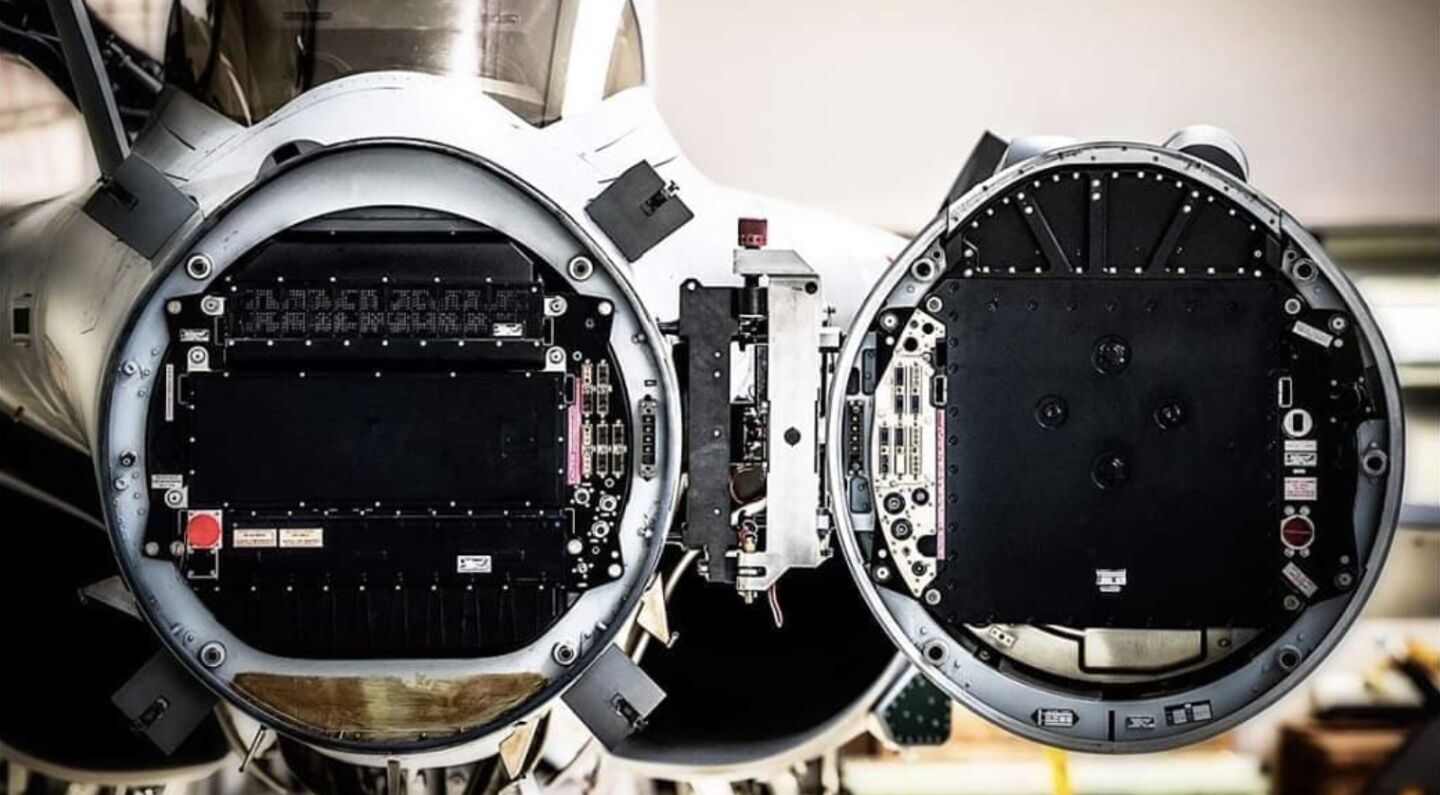
One of the most important changes will be the introduction of the Thales RBE2-XG radar, which will use gallium nitride technology, allowing significantly greater power generation without requiring a corresponding increase in radar size. Gallium nitride radars have already been integrated onto Chinese fighters, and have begun production with the intention of integrating them onto U.S. F-35 and F-15EX fighters, with French industry trailing years behind. Nevertheless, a primary shortcoming of the Rafale and other European fighter types is not only that their radars are generally less advanced than those developed in China and the United States, but also that they are relatively lightweight aircraft that can only integrate small radars. Thus despite expected technological advances, sensor capabilities against advanced stealth fighters are expected to remain limited, particularly compared to heavyweight fighters such as the Chinese J-16 and U.S. F-35.
In October French budget documents revealed that orders were planned to procure 61 new Rafale fighters for both the Air and Space Force and the Navy, in order to facilitate the phasing out of older Mirage 2000 fighters, while bolstering the country’s nuclear forces with a doubling of the number of nuclear-capable fighters in service. Although the Rafale is in many respects significantly more capable than the rival Eurofighter and Gripen, its lack of competitiveness against non-European fighter types, particularly those from China and the U.S., combined with the growing procurements of more advanced U.S. F-35 fighters across Europe, is expected to result in a continued decline in the standing of the French combat fleet.
