
French Study Highlights Rafale Fighter’s Growing Struggles Against Fifth Generation Aviation
Military Watch Magazine Editorial Staff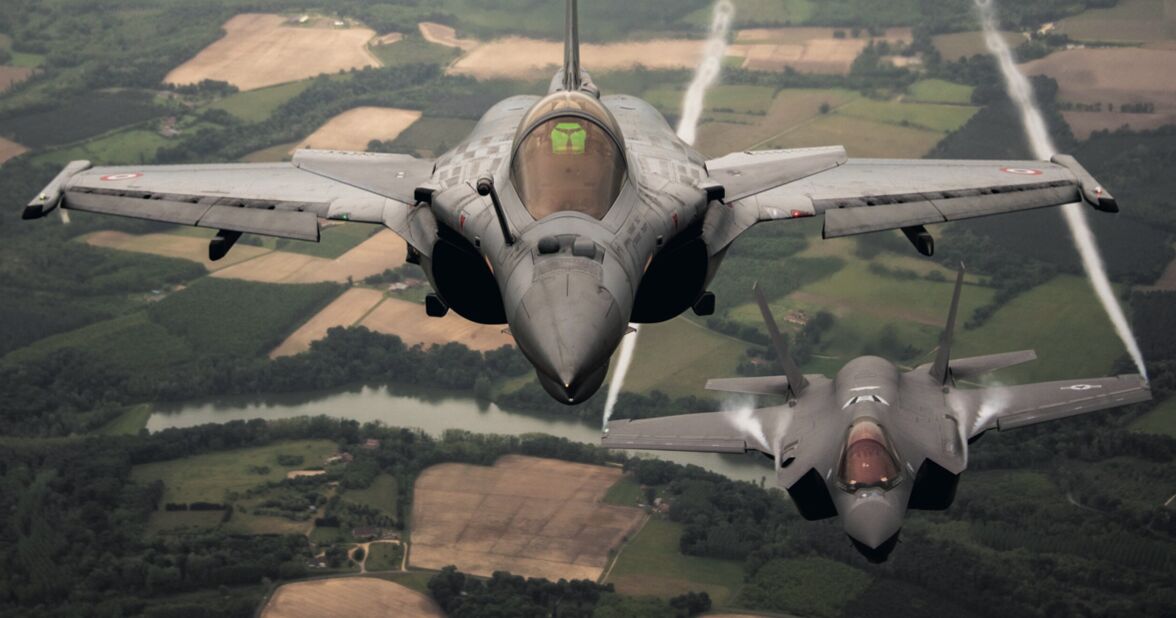
Rafale (top) and F-35 Fighters
A French assessment has highlighted the significant struggles faced by Rafale lightweight fourth generation fighters in an era where aerial warfare is increasingly dominated by fifth generation capabilities, reflecting on feedback from pilots at a time when the future of France’s air power is increasingly uncertain. The Future of Air Superiority: Mastering the Sky in High-Intensity Warfare was unusually candid about the limitations of current European fourth generation fighters. The authors discuss the difficulty of operating against modern fifth generation fighters, and the main advantages that stealth aircraft benefit from.
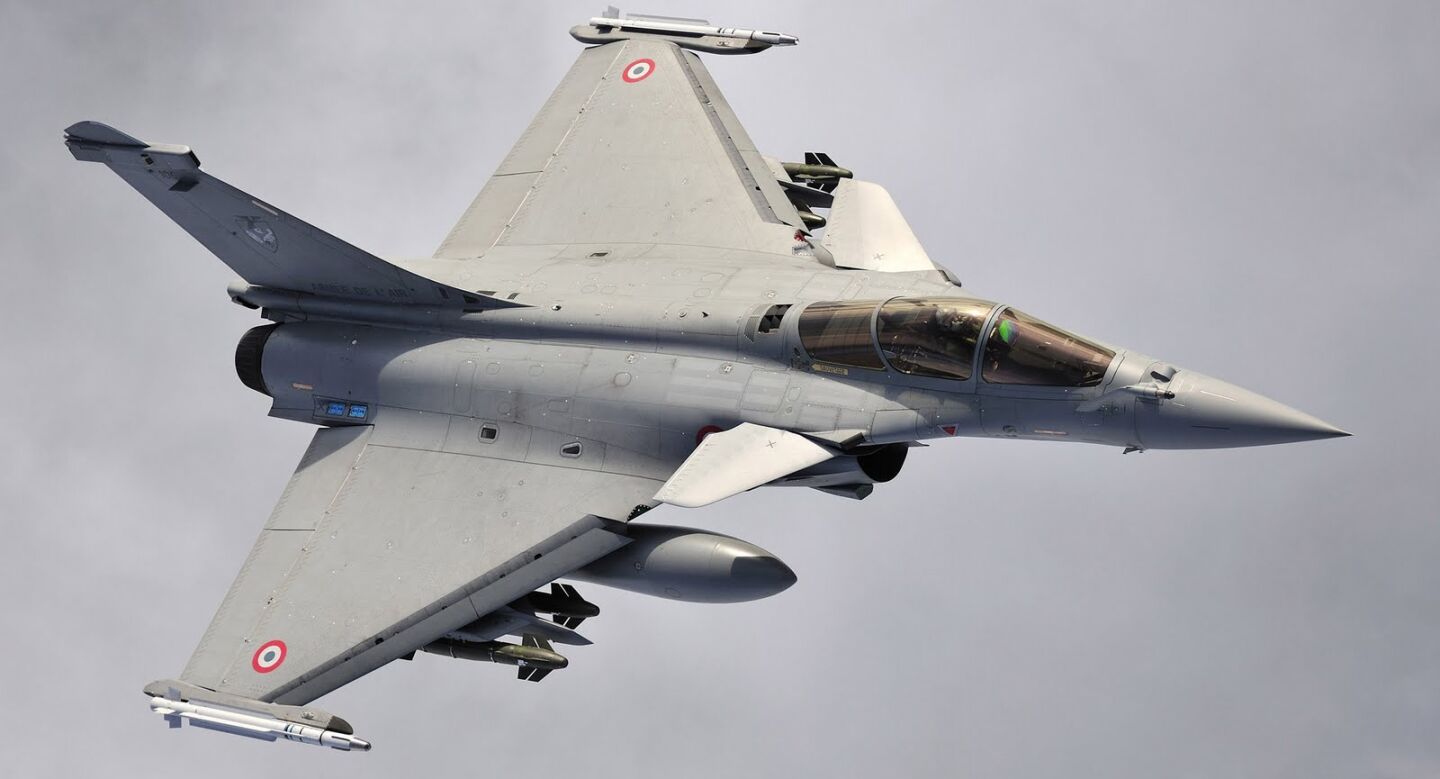
The paper stresses that while stealth alone doesn’t guarantee air superiority, it provides an extremely important advantage in the most demanding scenarios. The technological asymmetry is increasingly clear, with French pilots regularly facing fifth generation fighters in joint exercises observing: “The combat mission against stealth fighters on the Rafale is impossible to win with the sensors in their current state.” This is despite the Rafale having been two decades ahead of all other European fighter types in integrating phased array radars, and a decade ahead in integrating an active electronically scanned array radar.
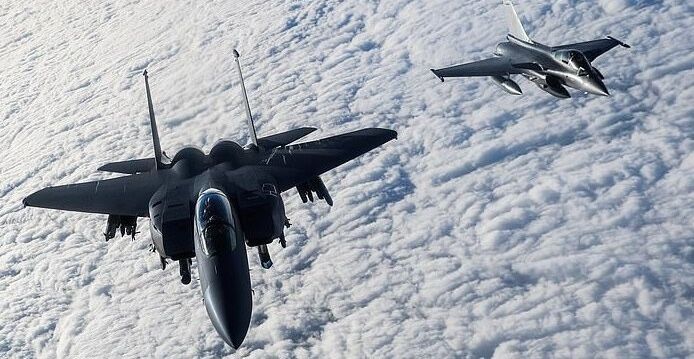
A primary shortcoming of the Rafale and other European fighter types is not only that their radars are generally less advanced than those developed in China and the United States, but also that they are relatively lightweight aircraft that can only integrate relatively small radars. The U.S. F-15EX integrates a radar that is both more sophisticated and close to twice the size as that of the Rafale, making it much more viable even against advanced stealth targets, whit his applying moreso to the Chinese J-16 which integrates a radar over three times as large. European fighters are thus not only more than a generation behind in both aircraft design and sensor sophistication, but also suffer for their lightweight designs.
The French Air Force began defining requirements for the Rafale in 1983, although major development delays meant that it would be 18 years before the aircraft could be belatedly brought into service in 2001. The Rafale program was from its outset very far from cutting edge, and by the time it first flew both the United States and the Soviet Union had already moved decisively into the fifth generation of air combat technology development. While being a full generation ahead of the Rafale technologically, the U.S. YF-22 and YF-23 fifth generation technology demonstrators first flew just four years after the Rafale’s own first demonstrator, while the rival Soviet MiG 1.42 was scheduled to make its first flight two-to-three years after them, although the USSR’s disintegration ended the program and set Russian fighter development back by decades.
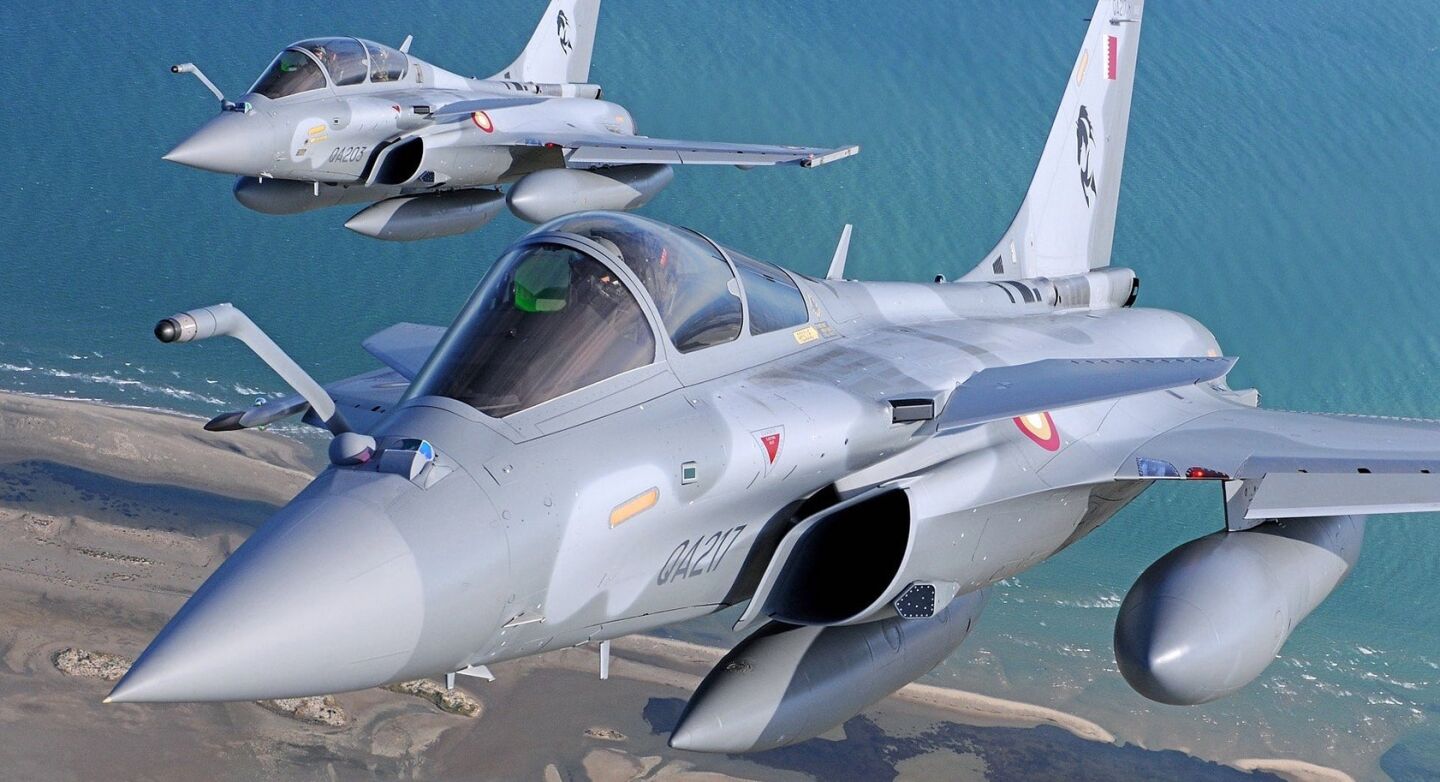
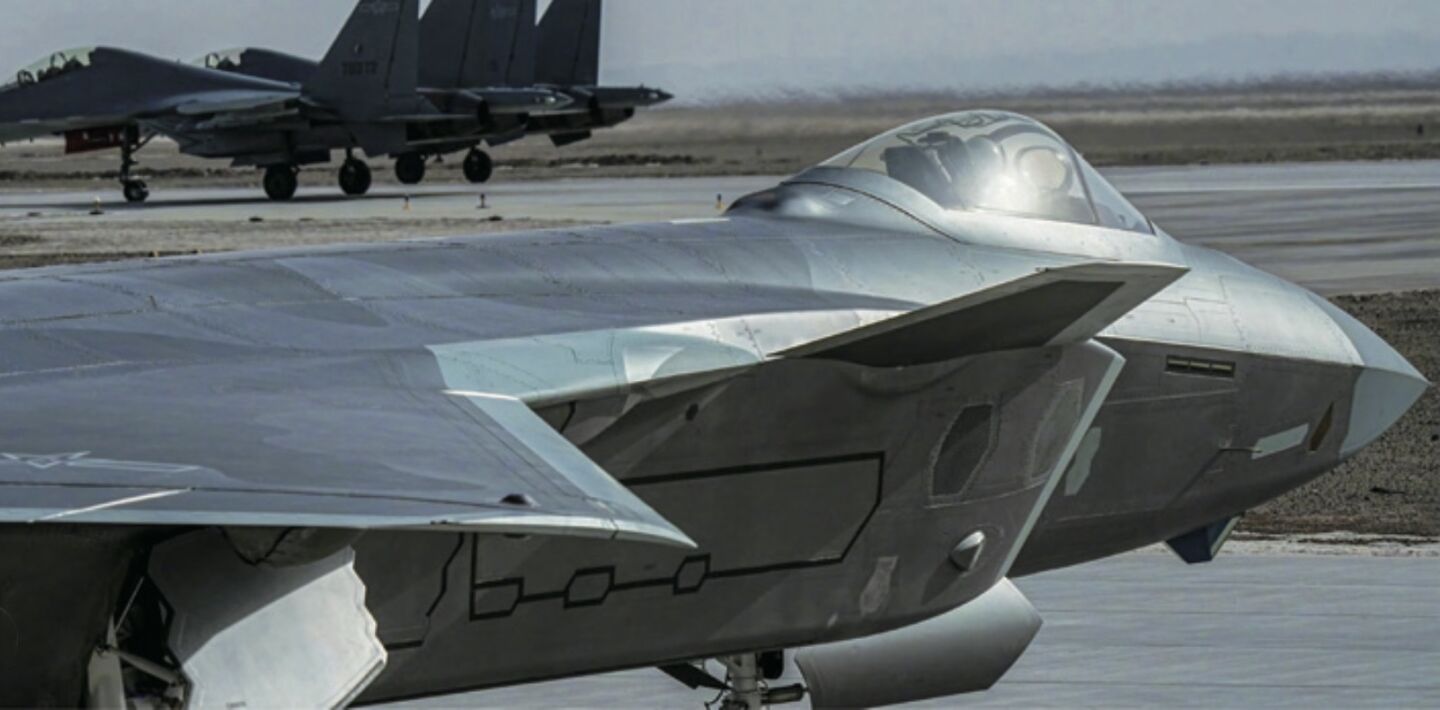
The introduction into service of the Chinese J-20A, and the projected introduction of the F-35 Block 4 in the early 2030s, will further widen the discrepancy in performance, with the Rafale’s modernisation potential remaining far more limited. Russia, meanwhile, which has lagged far behind the U.S. and China in fighter development, has significantly enhanced its Su-57 fifth generation fighter, which while less sophisticated than the J-20 or F-35, still has far higher combat or modernisation potentials than any European fighter type. The Rafale itself has seen its export prospects seriously constrained by its inability to compete on the same level with advanced fifth generation fighters, with the aircraft losing every tender in which it has competed against the F-35.
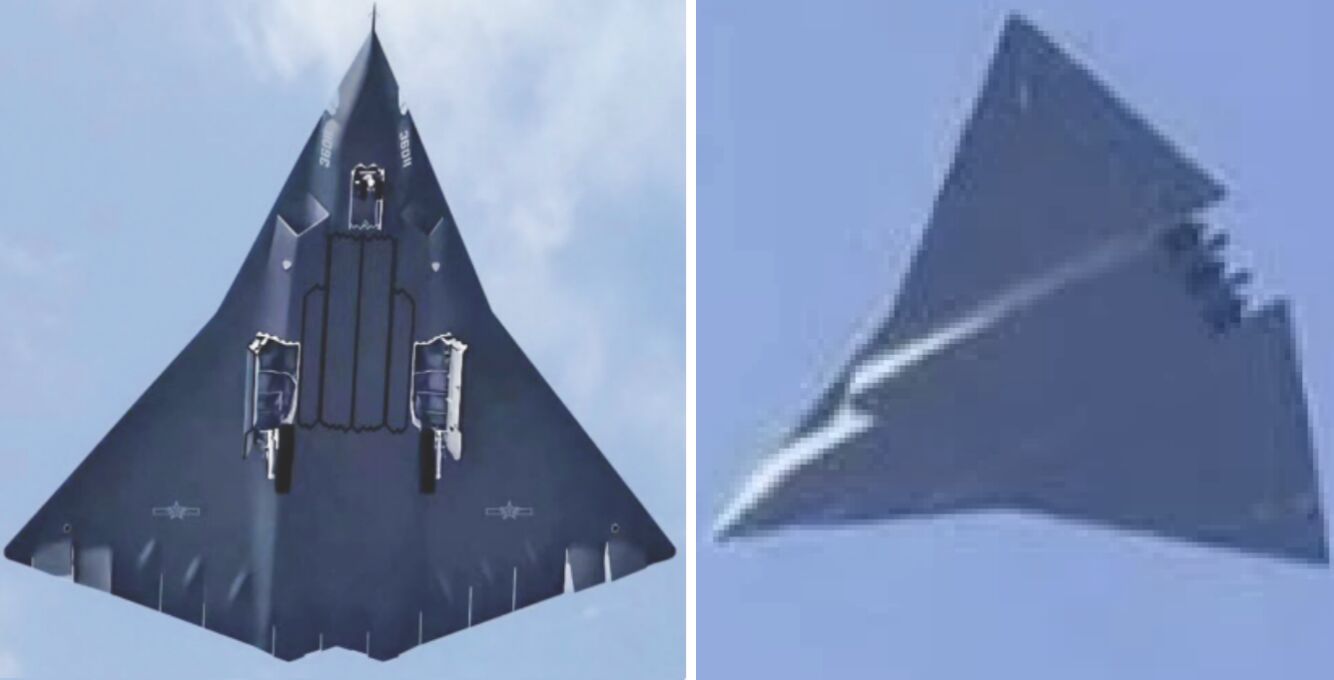
The Rafale saw its first high intensity combat test in May 2025, during which between one and four of the aircraft flown by the Indian Air Force were neutralised during engagements with Pakistan Air Force’s Chinese-supplied J-10C ‘4+ generation’ fighters. Its capabilities are projected to increasingly fall behind, with China scheduled to bring sixth generation fighters into service in the early 2030s, close to a decade before the United States, while no third countries are expected to produce similarly capable fighters until the late 2040s. The French Armed Forces will continue to rely on the Rafale as their most capable fighter until at least the late 2030s, and likely significantly longer, with European fighter programs considered unlikely to produce a fighter on par with the F-35 Block 4 or J-20A for the foreseeable future, let alone a sixth generation fighter.
