
France Escalates Operations Against Iran with Deployment of Problematic Tiger Attack Helicopters
Military Watch Magazine Editorial Staff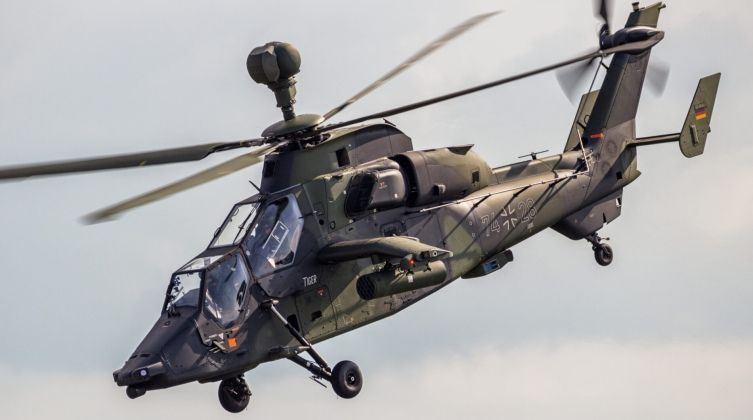
Tiger Attack Helicopter
The French Armed Forces have deployed Eurocopter Tiger attack helicopters to the Middle East to support the ongoing U.S.-led war effort against Iran, with the aircraft intended to improve air defence capabilities against Iranian drone attacks. The Tiger is a dedicated attack platform built for armed reconnaissance, close air support, anti-armour missions. Compared to the U.S.-built AH-64 Apache attack helicopters already widely deployed in the region, however, its combat potential is very considerably lower. The Tiger relies on much weaker sensors, carries a much smaller payload, and is less well armoured, while its mission flexibility is also poorer, raising questions regarding how meaningfully it can contribute to operations.
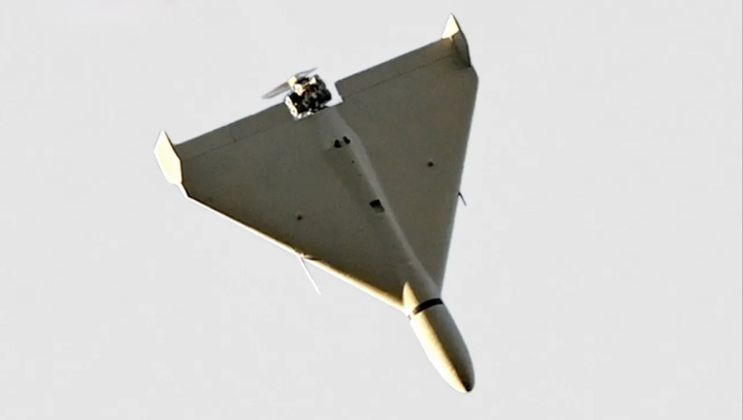
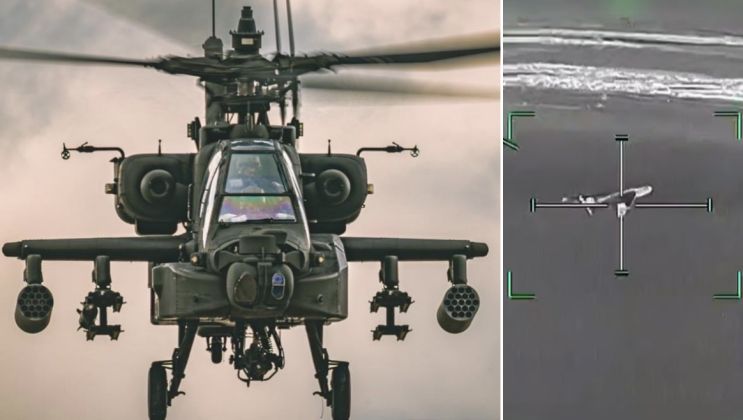
The U.S., Israel and the United Arab Emirates have widely deployed Apache attack helicopters for counter-drone operations, with the U.S. Army having over the past few years significantly changed its doctrine and training for attack helicopter operations to emphasise air defence against unmanned targets. France and the United Kingdom have been heavily involved in regional counter-drone operations from the outset of the conflict on February 28, with the French Air Force reported in mid-March to be suffering from an acute shortage of air-to-air missiles, due to extensive operations against Iranian drones in the Gulf region. According to the French paper La Tribune, the rapid depletion of ammunition has raised serious concerns regarding the further combat capability of the air force. The growing strain on the fighter fleet may have influenced the decision to deploy Tiger attack helicopters for the same roles.
Despite its much more conservative intended performance specifications than the Apache or rival Chinese and Russian heavyweight helicopter types, the Tiger’s performance has long caused considerable controversy. The aircraft’s availability rates have remained poor, with operators widely reporting difficulties maintaining rates of even 50 percent. Although it is a relatively small aircraft, maintenance needs have also far exceeded intended specifications, comparing poorly to rivals such as the Apache and Russian Mi-35. Operational costs have also far exceeded expectations. These were among the factors limiting its ability to gain export orders, and leading the Australian Armed Forces and German Armed Forces to retire the aircraft years ahead of schedule, with the former to procuring U.S. Apaches to replace them. The issues with the Tiger reflect broader trends affecting European defence products, which has limited their ability to compete with their U.S., Russian and Chinese counterparts across a wide range of areas.
