
Footage Shows U.S. Special Forces Operating in China’s Wuhan Camp: Operations Raise Tensions with Beijing
Military Watch Magazine Editorial Staff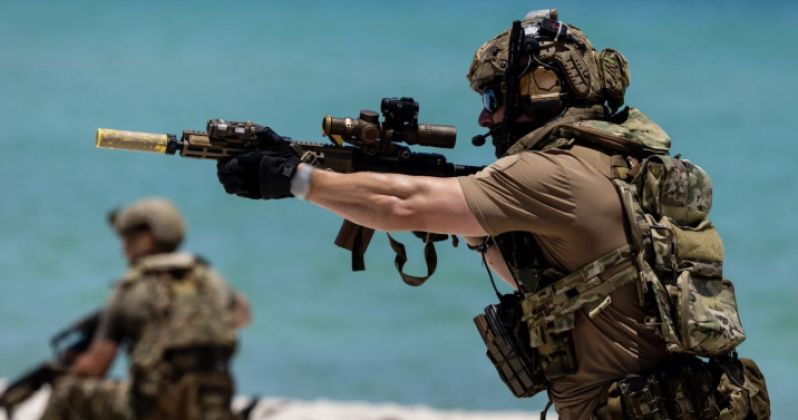
U.S. Army Special Forces
Footage released from the Republic of China Army’s Wuhan Camp in Taoyuan has shown U.S. special forces personnel operating at the facility, following reports that they have become well integrated into camp life rather than conducting only short rotational deployments. The facility houses the Republic of China Army’s Special Warfare Command headquarters and oversees the service’s elite special operations units, which makes it a natural choice for the deployment of U.S. special forces. The Republic of China and the People’s Republic of China remain in a state of civil war, with the former controlling Taiwan Island and surrounding islets, while the latter controls the Chinese mainland.
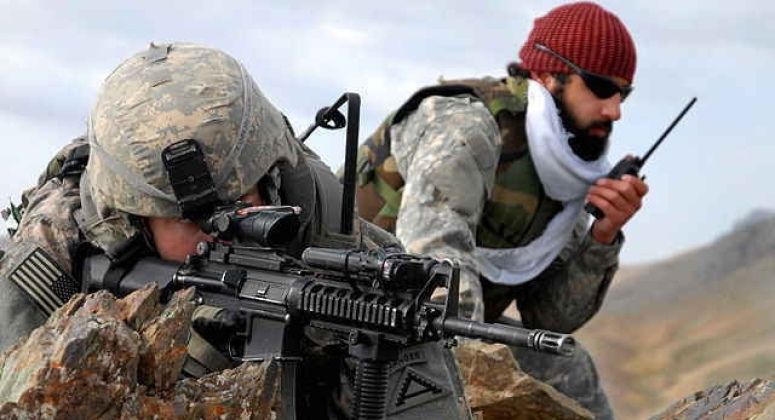
The Republic of China’s lack of international recognition, and its constitutional claim to be the sole legitimate government of the Chinese nation, have made deployments of U.S. forces for joint exercises highly controversial. While Taiwan Island is recognised by Taipei, by the United States, and by all UN member states as part of China, the U.S. and all but 12 countries in the world recognise the People’s Republic of China as the only legitimate Chinese government, which makes U.S. special forces deployments equivalent to military support for a non-state actor against a major government. Due to intensified Sino-U.S. geopolitical competition, however, the United States has significantly escalated its military involvement in the conflict between Beijing and Taipei.
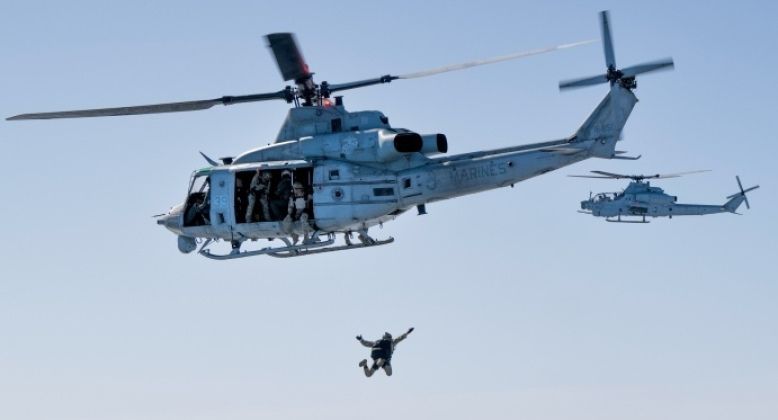
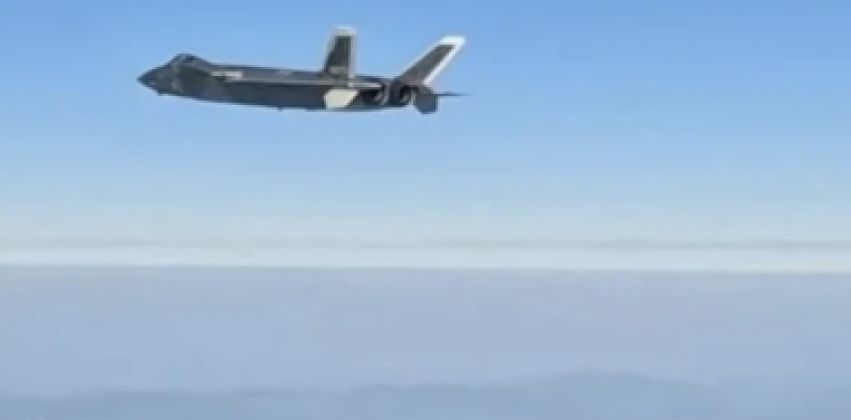
The U.S. Armed Forces have prioritised force deployments near the Taiwan Strait, most notably on Okinawa in Japan, with special forces having in January conducted aerial insertion exercises there. Despite the growing U.S. presence, the balance of power in and around the Taiwan Strait is increasingly overwhelmingly favourable to the Chinese mainland, which maintains a distinct edge in the capabilities of its surface fleet and fifth generation fighter fleet, and a wide lead in developing the world’s first sixth generation fighters. This was highlighted in January, when footage showed a J-20 fifth generation fighter flying close to Pingtung Airbase on Taiwan Island in late December, raising questions regarding the vulnerability of the Republic of China Armed Forces’ defences to operations by stealth aircraft.
