Footage Shows Significant New Updates to Russia’s Latest Batch of Su-57 Fifth Generation Fighters
Military Watch Magazine Editorial Staff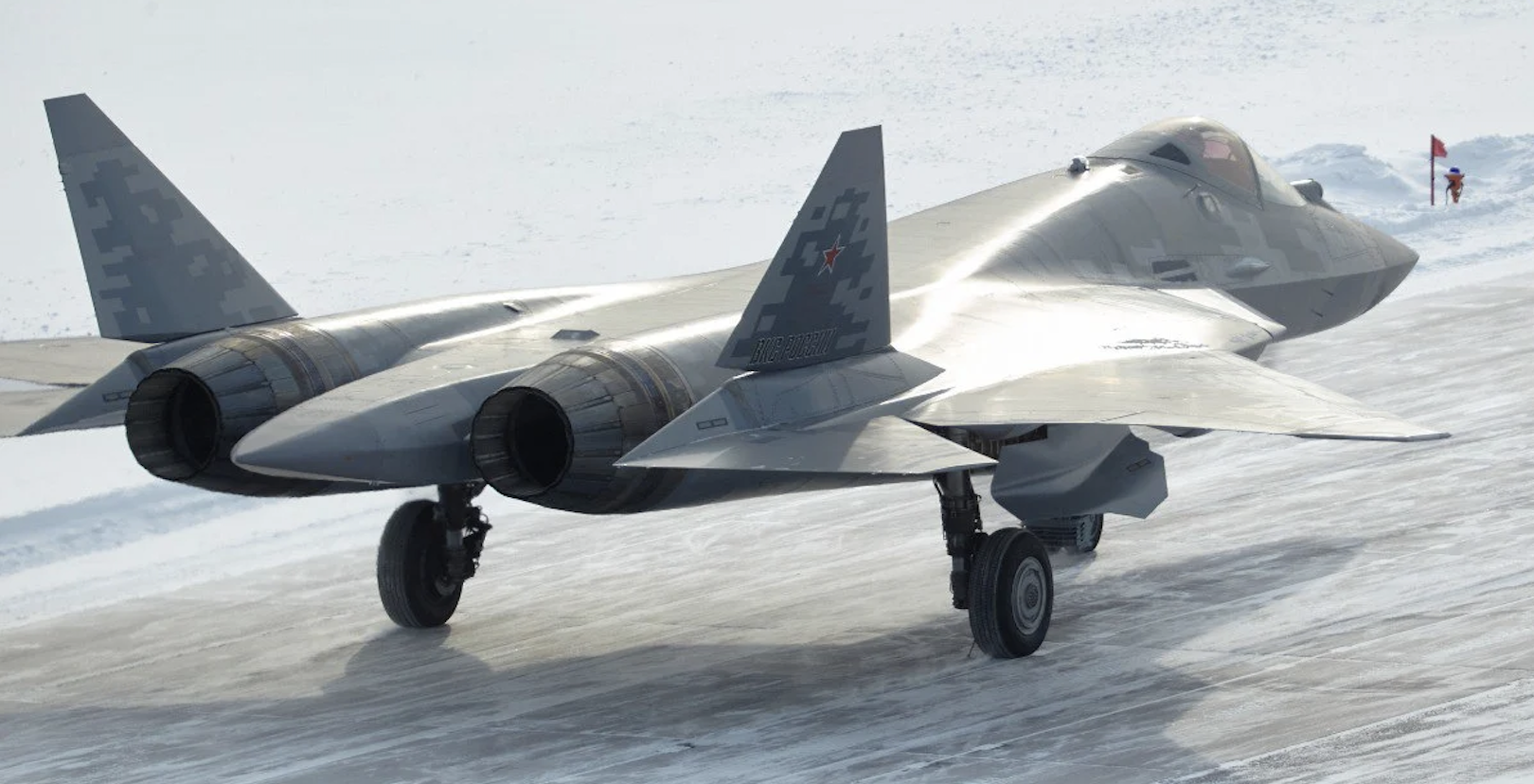
Su-57 Fighter Delivered to the Russian Aerospace Forces in February 2026
Following the delivery of the third confirmed batch of Su-57 fifth generation fighters to the Russian Aerospace Forces this year, footage has show updates to the aircraft’s 101KS electro-optical (EO) suite. The latest improvements are particularly significant for the 101KS-U missile approach warning system (MAWS) and the 101KS-O directional infrared countermeasures (DIRCM) system. Together, the reported changes point towards a more capable, integrated defensive architecture designed to detect and defeat incoming missiles across multiple stages of an engagement. The Su-57 is the only fighter of its generation in production developed outside China and the United States, and has benefitted from the highest degree of high intensity combat testing of any fifth generation fighter type.
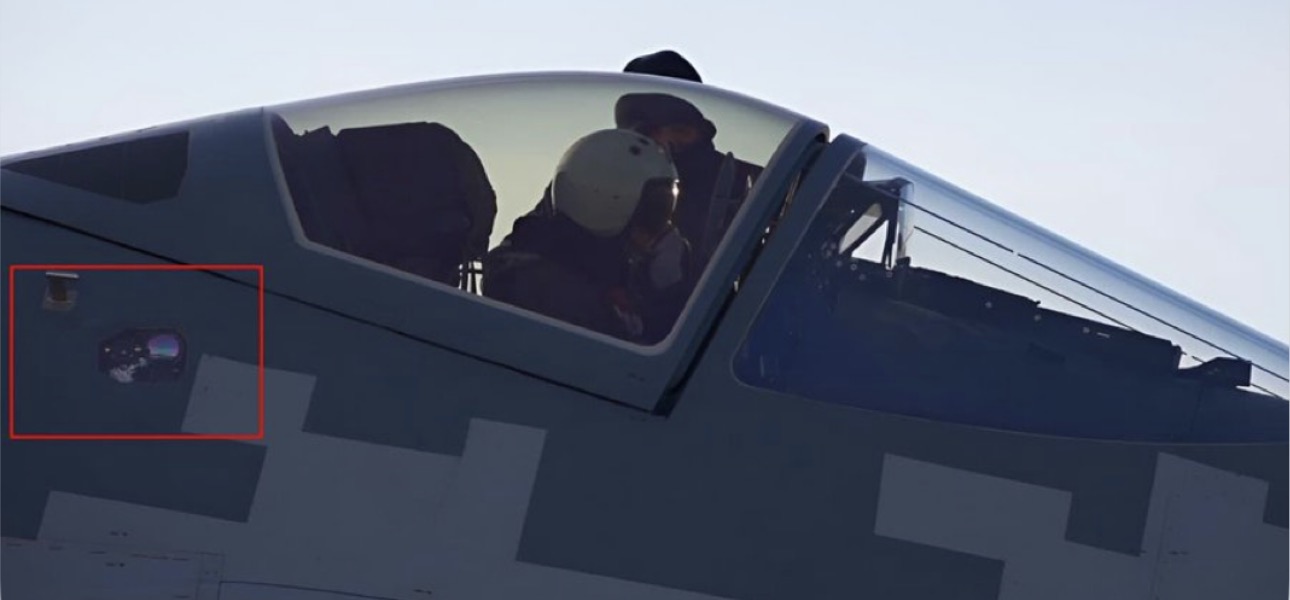
The 101KS-U is an ultraviolet-based missile warning system designed to detect the characteristic emissions of incoming missile threats and provide the aircraft with warning of an impending attack. Its sensors allow the Su-57 to monitor its surroundings for missile launches and approaching threats, including those that might be difficult to detect through conventional radar warning systems. The latest configuration appears to supplement its existing ultraviolet detection capability with an additional infrared sensing channel, potentially allowing the system to combine two different spectral bands when identifying incoming missiles.
The addition of infrared detection could provide several advantages, particularly in improving the reliability of missile warning under varying environmental conditions. Ultraviolet and infrared sensors detect different characteristics of a missile’s exhaust and associated thermal emissions, meaning that combining them could improve the ability to distinguish genuine threats from background interference. The additional channel could also provide greater redundancy, allowing the system to retain warning capabilities when one detection method is less effective.
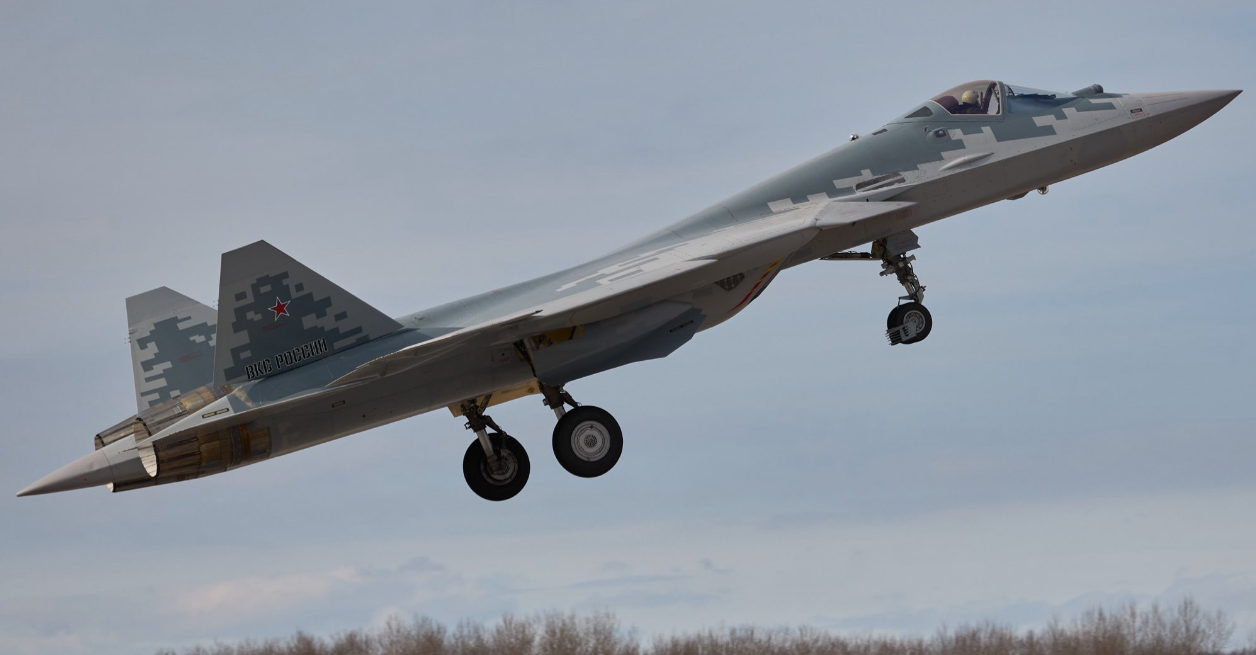
Complementing the missile warning system is the 101KS-O, a directional infrared countermeasures system designed to actively interfere with the guidance of incoming infrared-homing missiles. Rather than simply warning the pilot of an attack, the system employs directed laser energy to disrupt the ability of an approaching missile to track the aircraft’s infrared signature. This provides an additional layer of protection against heat-seeking weapons, particularly those equipped with imaging infrared seekers designed to discriminate between aircraft and conventional countermeasures such as flares.
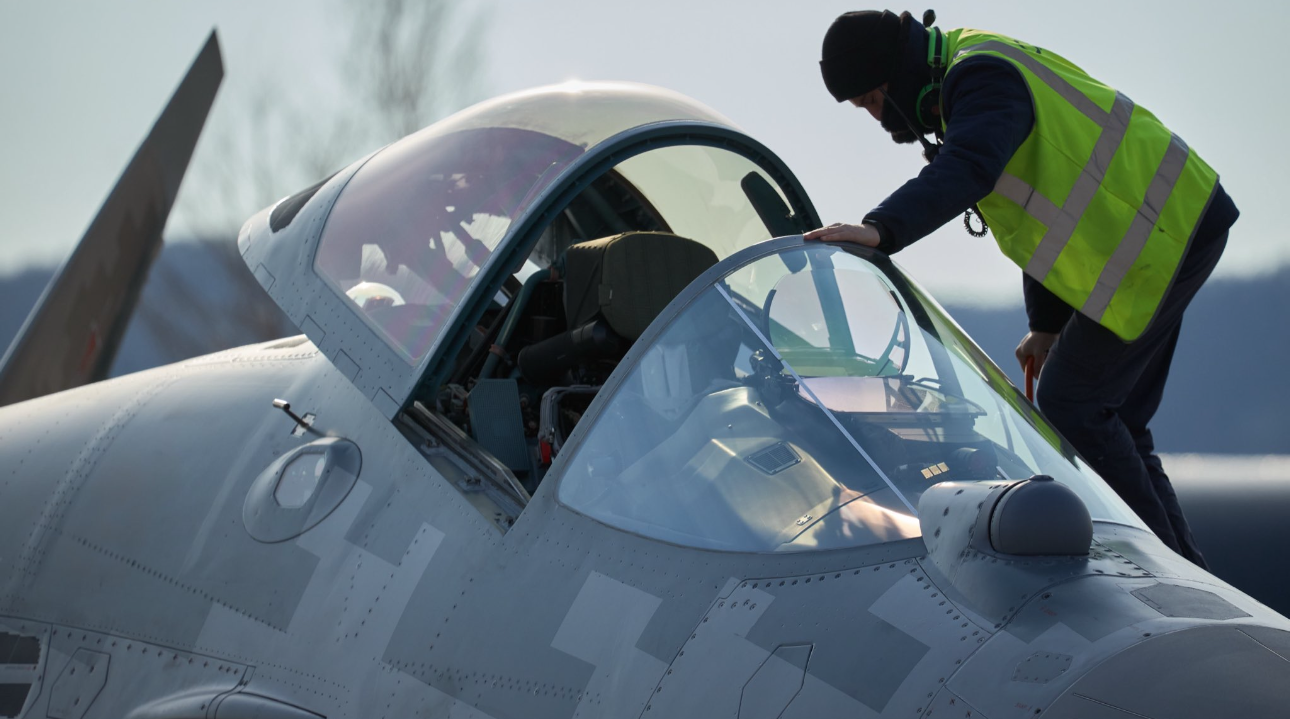
The combination of the two systems is particularly important because missile warning and missile defeat represent distinct stages of the Su-57’s defensive engagement. The 101KS-U is intended to identify and warn of incoming threats, while the 101KS-O provides an active means of attempting to defeat them. An improved warning system could potentially provide more reliable information for defensive responses, while the DIRCM system offers a means of countering threats that have already been detected and are approaching the aircraft. The effectiveness of this combination will depend on the integration of the sensors and countermeasures, as well as the speed with which the aircraft can respond to an incoming attack.
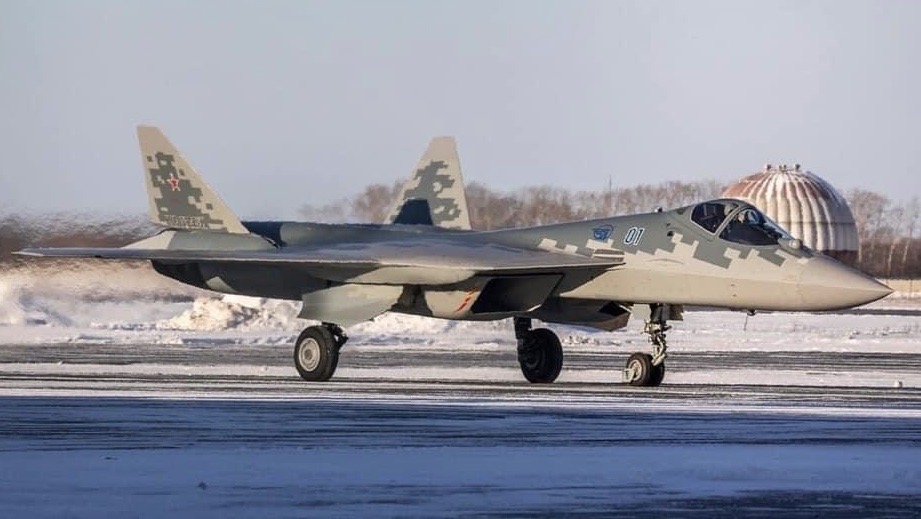
These reported improvements form part of a broader effort to strengthen the Su-57’s survivability against increasingly sophisticated air-to-air and surface-to-air missile threats. Fifth generation fighters are designed to reduce their detectability and avoid engagements where possible, but stealth cannot eliminate the risk of missile attack, particularly as adversaries field more capable sensors and increasingly advanced infrared-guided weapons. The ability to detect threats from multiple directions and employ effective countermeasures is therefore an important complement to the aircraft’s low-observable design. The latest reported updates to the 101KS suite suggest that the Su-57’s defensive architecture is becoming increasingly sophisticated, with a greater emphasis on multispectral detection and active infrared protection. The additional infrared channel could represent a meaningful improvement in the reliability of missile warning, while the 101KS-O provides an additional means of defeating incoming infrared-guided weapons.