
Designers of Russia’s Most Advanced Fighter Faced Conflicting Requirements: Why the Su-57 Was a Challenge to Develop
Military Watch Magazine Editorial Staff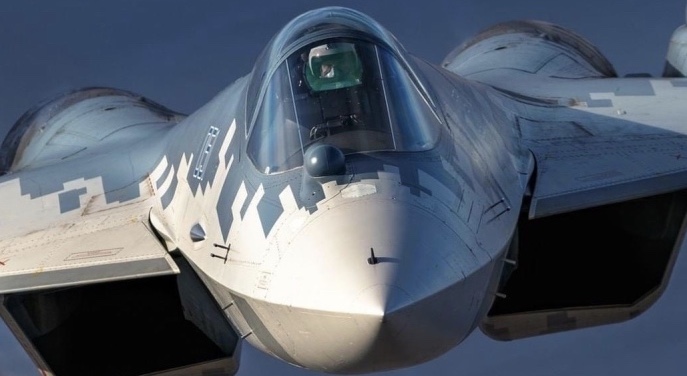
Su-57 Fighter
Engineers developing Russia’s Su-57 fifth generation fighter faced significant challenges balancing stealth, aerodynamic performance and structural strength, according to Mikhail Strelets, director of the Sukhoi Design Bureau. In an interview published by the United Aircraft Corporation, part of the state-owned Rostec conglomerate, Strelets described the competing requirements as central challenges in the aircraft’s development. He said the design team had to find solutions that would preserve the fighter’s flight performance while reducing its radar visibility and maintaining the structural strength required for demanding manoeuvres. “To achieve the Su-57’s high performance characteristics, we had to solve a number of complex design and organisational challenges,” Strelets said. “We ensured the aircraft’s high performance while balancing the conflicting requirements of stealth, aerodynamics, and structural strength by seeking optimal design solutions.”
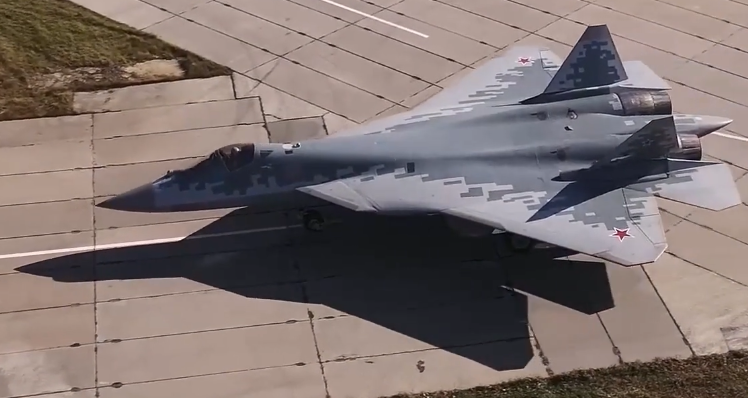
Strelets identified the combination of low observability, high flight performance and a multifunctional onboard equipment suite as among the fighter’s defining characteristics. He also highlighted its ability to conduct covert operations against both airborne and ground-based targets, reflecting the Su-57’s intended role as a multirole combat aircraft rather than a platform dedicated exclusively to air superiority. The design combines features intended to reduce its detectability with the manoeuvrability and performance associated with the Su-27 Flanker family of aircraft previously developed by Sukhoi. Shaping an aircraft to reduce radar reflections can constrain aerodynamic design, while internal weapons bays, specialised materials and other low-observable features introduce additional structural and engineering requirements, which have been a primary challenge for developers of fifth generation fighter types. The Su-57’s development has therefore required the integration of several demanding design objectives within a single airframe.
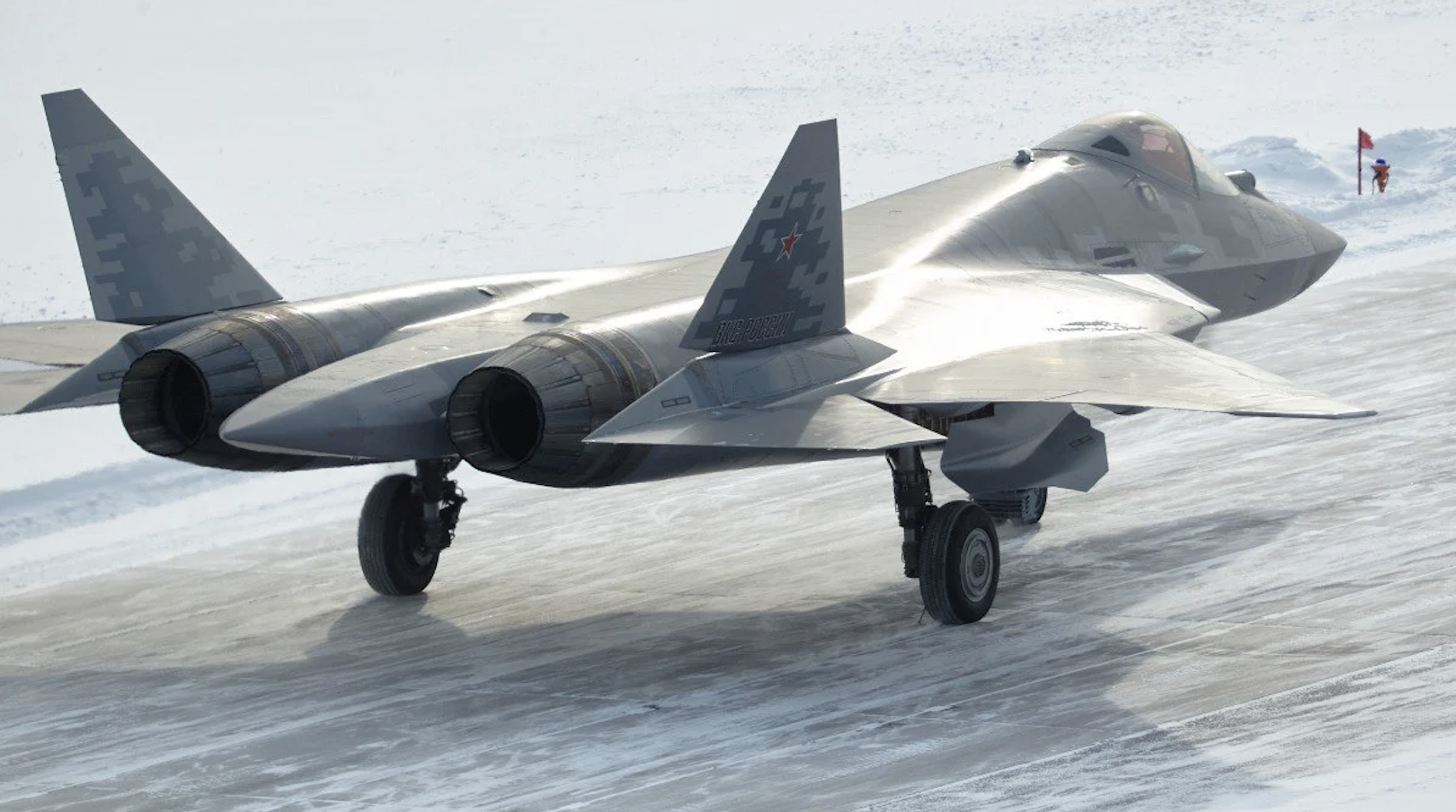
Russia’s development of the Su-57 benefitted considerably from over a decade of research and development work in the Soviet Union, with a much more ambitious fifth generation fighter developed under the MiG 1.42 program having seen design work completed, and been scheduled to make its first flight in 1993-1994 before the superpower disintegrated. The disintegration of the USSR and subsequent near total collapse of the Russian economy resulted in a delay of close to 25 years in efforts to bring fifth generation fighters into service at strength. The Su-57 program has nevertheless made significant progress in recent years, with its scale of production expanding significantly allowing exports to begin, while the aircraft’s degree of combat testing in the Ukrainian theatre far exceeds that of any other fighter type of its generation.
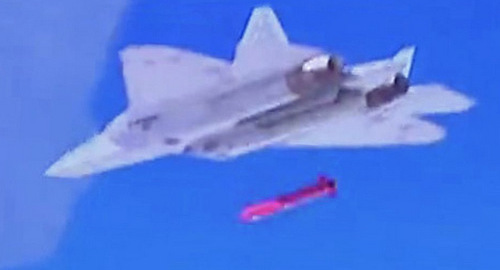
Combat operations in the Ukrainian theatre have included air defence suppression, air-to-air combat, and operations in heavily defended enemy airspace, as well as a range of precision strike missions. Combat experience has resulted in modifications being made to the design over time, with recent production having been observed with additional apertures around the fuselage, including sensors associated with missile warning and defensive functions. The Su-57 was designed around an extensive network of active and passive sensors rather than relying on a single radar for situational awareness. Its Sh121 multifunctional integrated radio-electronic system incorporates the N036 Byelka radar family, while the aircraft also employs electro-optical systems and distributed sensors. Together, these systems are intended to provide the pilot with a broader picture of the surrounding battlespace than would be possible from a conventional forward-facing radar alone.
